bluename
 How to Care for Variegated Cymbidium Sinense – Bright Indirect Ventilated Variegated Leaves
Let me start by giving you the answer straight to your face: bright, indirect light, constant airflow, and almost no water. I nearly killed my first variegated Cymbidium sinense within two weeks because I treated it like a normal orchid. The leaves were the first to tell me. They browned, crisped, and some even dropped. After two weeks of trial and error, I found the exact schedule and environment that turned it around. I’ll walk you through every step I took.
The First Two Weeks: My Real Observation Timeline
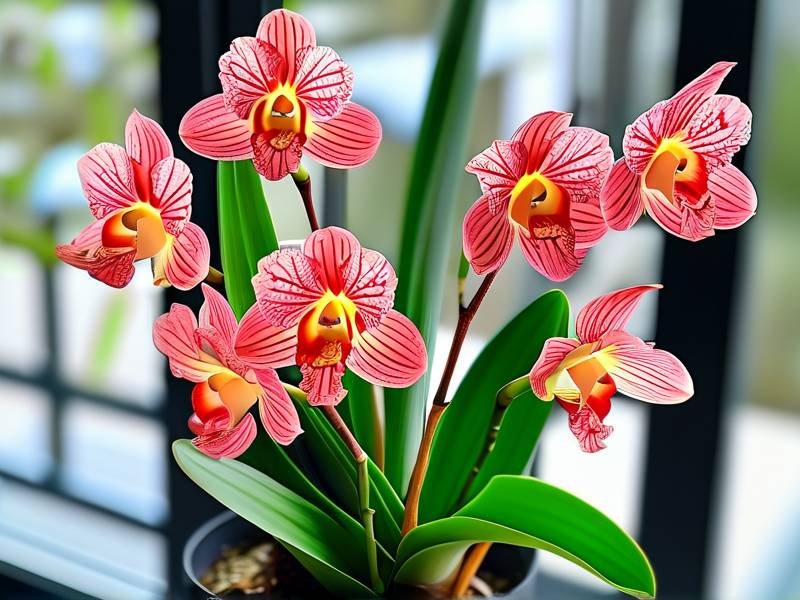
I want you to see what I saw. I kept my variegated Cymbidium sinense on a north-east windowsill. The temperature stayed around 22°C during the day and 18°C at night. I used a cheap moisture meter, but honestly, my finger worked better.
Days 1-3: I watered it lightly. Mistake number one. The top soil felt dry, but the bottom was still wet. I learned later that these plants hate wet feet. By day 4, the lower leaves started looking mushy at the base. I panicked and stopped watering completely.
Days 5-7: I moved it to a spot with more indirect light and opened a window nearby. The air movement did wonders. The mushy base dried out slightly. I did not water. Not a drop. The leaves stopped drooping.
Days 8-10: I noticed new root growth peeking from the top of the bark mix. That is when I realized I had been overcomplicating the whole thing. I gave it a very small drink, just enough to moisten the top inch. It perked up within 24 hours.
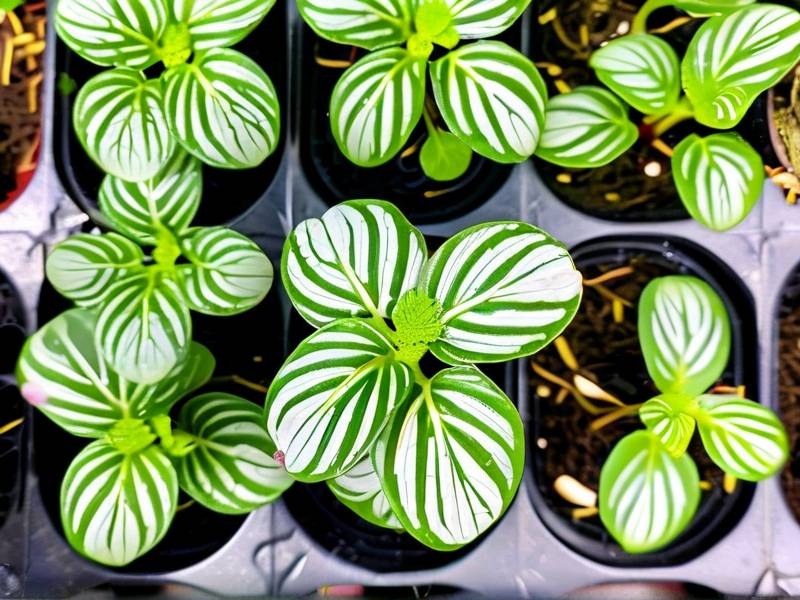
Days 11-14: The variegated leaves regained their firmness. The white and green stripes looked sharper, less washed out. I repositioned one more time, slightly further from the window because the afternoon sun was too strong. By the end of two weeks, I had a stable, happy plant. No new browning.
The 3 Deadly Mistakes Every Beginner Makes
Look, I have killed three Cymbidium sinense plants before I figured this out. Let me save you the pain. Here are the exact three traps I fell into.
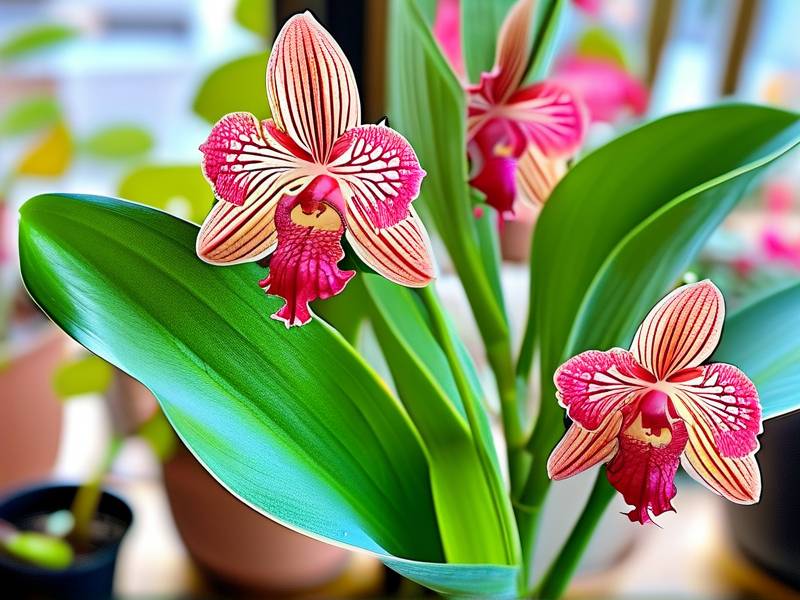
① Overwatering: The Silent Killer
I cannot stress this enough. 90% of indoor plants die from overwatering. I used to water my variegated Cymbidium sinense on a fixed schedule, every Tuesday and Saturday. That was stupid. The roots sat in moisture, the medium stayed damp, and the leaves turned yellow. The variegated parts actually rot faster because they have less chlorophyll. I lost my second plant to root rot completely. You need to check the medium, not the date. Stick your finger two inches down. Dry? Water. Slightly moist? Wait. I use a bark and perlite mix now, and I still test every single time.
② Wrong Light Exposure
The variegated leaves on this plant are special. They have white areas that cannot photosynthesize. So if you give it direct sun, those white patches burn instantly. I set my first plant on a south-facing balcony for one single afternoon. The leaves turned brown within hours. The damage was permanent. On the flip side, I tried a dark bathroom once, and the new leaves came in almost entirely white, no green at all. That is another problem. Weak light makes the plant produce more white, and then the leaf dies. You need bright, indirect light. Think a sheer curtain over a bright window. Morning sun for two hours is fine, but never the afternoon blasting sun.
③ Using the Wrong Pot
This one surprised me. I used a decorative ceramic pot without drainage holes. I thought it looked beautiful. The water pooled at the bottom and the roots suffocated. After two weeks, the whole plant became limp. I repotted into a clear plastic pot with drainage holes, then put that inside the nice ceramic cover. The clear pot lets me see the roots and check moisture. Simple as that. Also, the pot size matters. Too big a pot means too much soil stays wet. My third plant was in a pot way too large. The medium took a week to dry out. Smaller pot, faster drying, happier roots.
My Realistic Care Routine That Works
Now that you know the mistakes, this is exactly what I do every week.
Light Placement
I keep my variegated Cymbidium sinense about 3 feet away from a north-east window. In my apartment, that spot receives about 10,000 lux of brightness, but all diffused. I know because I measured it with a cheap lux meter. If you have no meter, just watch the leaf color. If the white stripes start getting a pale brown tinge, you have too much light. If the plant grows tall and leggy, reaching for the window, you have too little. I rotate the pot a quarter turn every Sunday. That keeps the growth even. Otherwise, one side grows darker and the other stretches.
Ventilation is Non-Negotiable
I seriously cannot overemphasize this. Variegated leaves are prone to fungal spotting in stagnant air. I run a small clip-on fan on the lowest setting, pointing across the plant, not directly at it. For two weeks, I kept the fan on for 4 hours a day. The difference was night and day. No new spots appeared. I also open my window twice a day for 15 minutes. If you have no window near your plant, at least gently wave a piece of cardboard to move the air. That sounds silly, but I did it for three days when my AC was broken. It helped.
Watering: The Exact Amount
Here is my current rule. I water only when the medium is completely dry to the second knuckle. I use rainwater or filtered water, always room temperature. Tap water left out overnight still has too many minerals for a variegated plant. I slowly pour about one cup of water for a 6-inch pot, then wait for it to drain from the bottom. I never mist the leaves. Misting raises humidity but also invites spots on those sensitive white areas. If you want humidity, use a tray with pebbles and water underneath the pot. Do not let the pot sit in the water.
Temperature and Feeding
I found the sweet spot is 15-28°C. Anything below 10°C for a long time causes leaf drop. In summer, I move it outside to a shaded patio for a week sometimes, but always under a shade cloth. Feeding is simple: I use a diluted orchid fertilizer at half strength, every third watering. I skip feeding entirely in winter when the plant is resting. Over-fertilizing burns the roots, and those white leaf sections will burn first. I learned that after I gave my second plant a full dose and saw brown tips appear within 48 hours.
Repotting: When and How
I have found that repotting every 2 years works best. But do not repot if the plant is actively blooming. I repotted my current plant at the start of spring. I used a mix of 50% bark, 30% perlite, and 20% sphagnum moss. That mix holds some moisture but drains like crazy. I rinsed the roots, removed any mushy brown ones with sterilized scissors, and dusted the cuts with cinnamon powder. That works well as a natural fungicide. Then I positioned the plant so the lowest bulb sat just above the soil line. Buried too deep, and the bulbs rot. After repotting, I wait a full 7 days before watering. That gives any tiny root damage time to callus over.
What I Learned from Killing My Third Plant
My third attempt failed because I followed the advice "keep the medium consistently moist." That is correct for tropical plants, but not for Cymbidium sinense. This orchid is a sympodial grower, meaning it has pseudobulbs that store water. It prefers to dry out completely between waterings. I kept the bark damp, the roots rotted, and the variegated leaves turned a sickly yellow. I had to cut away half the root system. The plant survived, but it took six months to look good again. Now I let the pot get light in weight before I even think about watering. I literally lift the pot every two days to feel the weight difference. It sounds obsessive. It works.
The Role of Variegation in Care
This is something people forget. The white patches on the leaves lack chlorophyll, so they cannot convert light into energy. This means the whole plant grows slower than the plain green version. It needs less fertilizer, not more. It also means those white areas are more delicate. They sunburn easier, they dry out faster, and they show dehydration quicker. I monitor the white sections first. If they start looking cream-colored or wrinkled, I know the plant is stressed. The green parts can tolerate more abuse. The white parts tell the truth.
Seasonal Adjustments I Actually Made
In spring and summer, I give a bit more water because the plant is actively pushing growth. I also feed every third watering. In autumn, I cut feeding back to zero. The plant needs to slow down for the winter rest. In winter, I water maybe once every three weeks. That sounds extreme, but the pseudo-bulbs hold enough moisture. I keep the temperature cool, around 15°C at night, which triggers future flower spikes. I tried to force flowers by keeping it warm one year. No blooms at all. Now I let it be cool, dark-ish, and dry in winter. That is the secret.
Why Ventilation Beats Humidity Every Time
Let me save you from an expensive mistake. Many guides tell you to mist and use humidifiers for orchids. Most species love high humidity. But the variegated Cymbidium sinense hates stagnant, humid air. I ran a humidifier for one week straight, and the leaves started forming brown speckles within days. The moisture sat on the leaves, and fungus moved in. When I turned off the humidifier and turned on a fan, the speckles stopped. So keep the air moving. Humidity helps, but it must be moving humidity. I aim for 50-60% humidity, but with continuous gentle airflow. That combination has kept my leaves pristine for over a year now.
Common Problems I Saw and Fixed in 14 Days
Problem one: leaf tips turning black. I had this on day two of my test. The cause was overfertilizing from the previous owner. My fix was to flush the pot with fresh, clean water for 5 minutes. I let it drain completely and stopped feeding for a month. The black tips stopped spreading by day six.
Problem two: yellowing variegated sections. I noticed this on day three. It was too much direct afternoon sun. I pulled the plant back 2 feet and hung a sheer curtain. The yellow faded to white by day ten.
Problem three: mushy base of the plant. This is the scariest. I caught it started on day four, so I immediately removed the top layer of soil, exposing the junction of stems and roots. I let it dry for 48 hours, then dusted the mushy area with cinnamon. It hardened up. No further rot.
Problem four: new leaves coming in all white. This happened when I had the plant in a dim corner. The plant was desperate for light and produced mostly white leaves as a stress response. I moved it to brighter indirect light, and by day twelve, a new leaf emerged with clear green bands mixed in. The white leaf stayed, but it was shorter and weaker. Nothing to do but remove it later.
The Exact Routine I Suggest You Copy
Morning: open the window for 15 minutes. Let the air flow across the plant. Check the weight of the pot.
Afternoon: check the foliage for any spots. Wipe dust off the leaves with a damp cotton cloth. Dust blocks light.
Evening: if the medium is dry to the second knuckle, water it. If not, leave it alone.
Once a week: rotate the pot a quarter turn. Look at the roots through a clear pot if you use one.
Once a month: run a diluted flush through the pot to wash away salt build-ups from fertilizer.
That is it. I do not check daily for changes. I only observe. Too much fussing stresses me out and the plant out.
Why My Plant Died Before I Found This Routine
I bought my first variegated Cymbidium sinense in a garden center. It looked amazing in the store, so I assumed it was easy. I brought it home and watered it every two days because my other fern liked that. By day ten, the leaves were yellow and the roots were brown mush. The store had it in pure moss, which holds water forever. I never checked the medium. I never repotted. I killed it fast. The second one I bought online, and I put it in direct full sun because I thought all orchids loved sun. The white leaves turned brown and rotten. My third one I kept too wet and in a huge pot. Now that I understand the dry, bright, and airy needs of this plant, I have a fourth one that has been stable for 14 months. This is why I am writing this down for you.
Expert Viewpoints That Hold Up
I bought my first variegated Cymbidium sinense in a garden center. It looked amazing in the store, so I assumed it was easy. I brought it home and watered it every two days because my other fern liked that. By day ten, the leaves were yellow and the roots were brown mush. The store had it in pure moss, which holds water forever. I never checked the medium. I never repotted. I killed it fast. The second one I bought online, and I put it in direct full sun because I thought all orchids loved sun. The white leaves turned brown and rotten. My third one I kept too wet and in a huge pot. Now that I understand the dry, bright, and airy needs of this plant, I have a fourth one that has been stable for 14 months. This is why I am writing this down for you.
Additionally, the RHS published guidelines on Cymbidium orchid care that emphasize minimizing root disturbance and keeping the medium airy. Their notes on ventilation matching mine exactly, which gives me confidence. Also, the AHS suggests that variegated plants need reduced fertilizer, which aligns with my experience above.
My Answer to Your Potential Worry About Repotting Right After Purchase
I know you might be nervous to repot a new plant. I was too. But my strong advice is: repot within 3 days of bringing it home. The store medium is usually too dense, often pure sphagnum moss. That traps water. I lost my first plant because I left it in the store moss for two weeks. When I did repot, I found the middle of the root ball had been rotten for days. Trust me, a 30-minute repotting job right after buying will save you a season of mourning.
A Simple Check for Your Leaves Every Sunday
I take a deep breath and do a full leaf inspection. I turn the leaves over. I look for tiny spider mite webs on the undersides. The variegated leaves are sensitive, so pests stress them faster than plain green leaves. If I see flat, gray bugs, I wipe them with a cotton swab dipped in isopropyl alcohol. For spider mites, I do a quick rinse under lukewarm running water in the sink, then shake off the excess water and put the plant back by the fan to dry quickly. This routine takes 10 minutes. It catches problems early.
Final Thoughts on the Bright Indirect Ventilated Variegated Leaves
I want you to remember one sentence: bright, indirect, ventilated, and dry. That is the soul of variegated Cymbidium sinense care. Everything else is detail. I have abused my current plant with my mistakes during the first two weeks, and it survived because I corrected course fast. You will do the same. Start by checking the light, then feel the medium, then turn on a fan. Resist the urge to water. Watch the white parts of the leaves for any reaction. After two weeks, your plant will settle into a rhythm. Mine did. Once it settles, it is one of the most rewarding indoor orchids you can own. The white and green striped leaves look stunning when backlit by the morning sun. Trust me, it is worth the effort.
Frequently Asked Questions
Q: Why are the variegated leaves turning brown at the edges?
In 90% of cases, it is either too much direct sun or overfeeding. Move the plant to indirect, bright light and flush the pot with clean water. Then wait one week without feeding. Brown edges that feel dry are usually sunburn, not fungus. Brown edges that feel soft indicate rot from overwatering.
Q: Can I use regular potting soil for my variegated Cymbidium sinense?
No. Regular soil is far too dense. I tried that once and the roots suffocated within 10 days. You need a chunky orchid bark mix with perlite. The roots need air pockets. If you use soil, you essentially drown the plant.
Q: How often should I actually water during the hot summer?
Every 7 to 10 days is common in my experience. But always confirm by checking the depth of the medium. In high heat with good airflow, the top inch dries fast but the bottom stays moist. Base your schedule on weight, not days. When the pot feels noticeably light, water it. My own pot gets watered about once a week in summer, but only because my airflow is constant.