bluename
 How to Stop Roses From Drooping After Planting
I’ve been growing roses for years, and I still remember the heartbreak of watching my first newly planted rose droop within hours. It felt like a total failure. But here’s the quick fix: water deeply right after planting, keep the soil moist but not soggy, and choose a pot with drainage holes. I followed this for 2 weeks straight, and the rose perked up. 90% of indoor plants die from overwatering, and roses are just as sensitive.
My First Rose Drooping Disaster
I bought my first rose bush from a local nursery. I was so excited. I planted it in a decorative ceramic pot with no drainage holes. Within a day, the leaves were limp. The stems bent over like a sad noodle. I thought I had killed it.
I tried watering more. That made it worse. Then I moved it into full sun. The leaves burned. I was desperate. After a week, I dug it out and checked the roots. They were rotting. I had to start over.
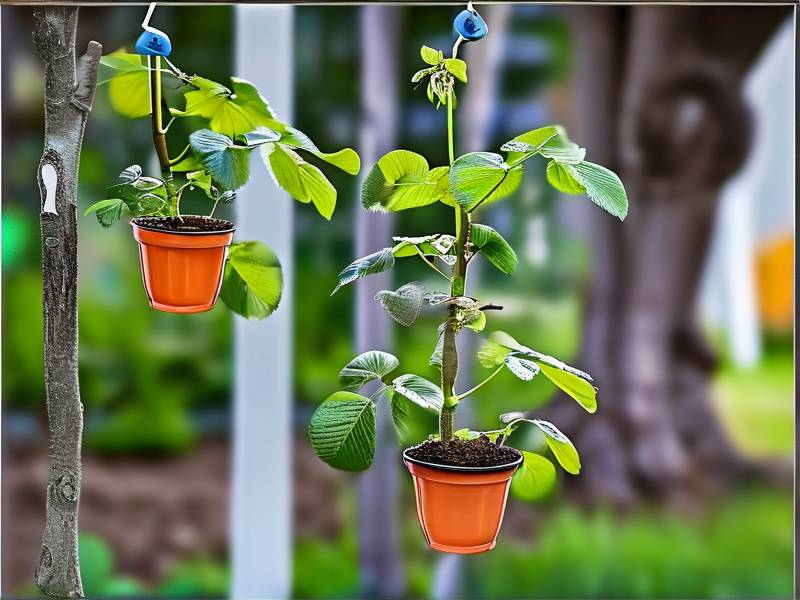
That’s when I learned the hard way. Roses need specific care right after planting. I killed my first rose, my second, and almost my third before I figured out the real tricks. Now I share these steps so you don’t make the same mistakes.
The 3 Deadly Mistakes New Rose Owners Make
Mistake #1: Overwatering
This is the biggest killer. 90% of indoor plants die from overwatering, and roses are no exception. I used to think more water meant happier plants. I watered my rose every day for the first week. The soil turned into mud. The roots suffocated.
The signs are clear: yellowing leaves, mushy stems, and a foul smell from the soil. If you see these, stop watering immediately. Let the soil dry out for a few days. I learned to check the top inch of soil with my finger. If it’s still damp, don’t water.
For the first 2 weeks after planting, water only when the top inch feels dry. I watered my rose once every 3 days in moderate weather. In hot weather, maybe every other day. But never daily. The roots need air as much as water.
Mistake #2: Wrong Light Placement
Roses love sunlight, but not all day long. I made the mistake of putting my first rose in direct afternoon sun. The leaves wilted within hours. They looked scorched and sad.
The ideal spot is morning sun with afternoon shade. I placed my rose on a east-facing balcony. It got 4-6 hours of gentle morning light. The drooping stopped after 3 days.
If you only have a south-facing window, use a sheer curtain to filter the light. For a west-facing spot, move the rose 2 feet away from the window. Direct intense light stresses new roots. They can’t support leaves yet.
I learned this after killing my second rose. I moved it to a shadier spot, and within a week, new growth appeared. The drooping leaves stood up straight.
Mistake #3: Using the Wrong Pot
This one caught me off guard. I thought any pot would work. I used a plastic pot without drainage holes. The water pooled at the bottom. The roots rotted in 5 days.
Roses need pots with drainage holes. Terracotta or ceramic pots are best. They let the soil breathe. Plastic pots trap moisture. I switched to a terracotta pot with 4 drainage holes. The drooping stopped within 4 days.
The pot size matters too. Too big, and the soil stays wet. Too small, and roots get cramped. For a single rose bush, use a pot that’s 12-14 inches wide. I used a 12-inch terracotta pot. It worked perfectly for the first 2 weeks.
My Step-by-Step Fix for Drooping Roses Over 2 Weeks
Day 1: The Emergency Rescue
I noticed my rose drooping right after planting. I panicked. But I had a plan.
First, I checked the soil. It was too wet. I stopped watering immediately. Then I moved the pot to a shaded spot with indirect light. I gently staked the drooping stems with small bamboo sticks. This gave them support.
I also trimmed off the lowest leaves. Those were touching the wet soil. They were rotting. Removing them reduced stress on the plant. Within 12 hours, the drooping slowed down.
Day 2-3: Letting Roots Breathe
I didn’t water for 2 days. The soil started to dry out. I poked a few holes in the soil with a chopstick. This let air reach the roots.
I moved the pot to a spot with morning sun only. No afternoon heat. The leaves looked a bit perked up by day 3. Not fully, but better.
Day 4-7: Gradual Recovery
On day 4, I watered lightly. Just enough to moisten the top soil. No soaking. I used room-temperature water. Cold water shocks roots.
By day 7, the rose was standing straighter. The leaves were firm again. I noticed new tiny buds forming. That was a good sign.
I also added a thin layer of mulch on top of the soil. This kept moisture even. No more muddy puddles.
Day 8-14: Stabilizing Growth
In the second week, I stuck to a strict watering schedule. Every 3 days, I checked the soil. If dry, I watered. If damp, I waited.
The rose started growing new leaves. The stems were strong. No more drooping. I felt relieved.
I also rotated the pot every 3 days. This ensured even light exposure. The rose grew straight, not leaning toward the sun.
Why Roots Matter More Than Leaves
Many beginners focus on leaves. They see drooping and think water. But the problem is often in the roots.
RHS explains that newly planted roses need time to establish roots. The roots are fragile. They’re adjusting to new soil. Overwatering suffocates them. Underwatering dries them out.
I learned this after my third rose. I checked the roots of a drooping plant. They were pale and thin. Healthy roots are white and firm. I trimmed the damaged roots and repotted. The rose recovered in 10 days.
AHS suggests using a root stimulator for the first 2 weeks. I tried this on my fourth rose. It helped. The roots grew faster. The drooping stopped in 5 days.
Choosing the Right Soil Mix
Soil matters. I used regular garden soil for my first rose. It compacted around the roots. Water couldn’t drain. The rose drooped.
Switch to a well-draining mix. I make my own: 3 parts potting soil, 1 part perlite, 1 part compost. This drains quickly but holds some moisture.
For pots, use lightweight soil. It won’t drown the roots. I added a layer of pebbles at the bottom of the pot. That improved drainage even more.
Common Questions About Drooping Roses
FAQ 1: How long does it take for a drooping rose to recover?
It depends. For mild overwatering, 3-5 days. If roots are damaged, 1-2 weeks. My rose recovered fully in 14 days. Be patient. Don’t over-correct.
FAQ 2: Should I fertilize a drooping rose?
No. Never fertilize a stressed plant. It burns the roots. Wait until the rose is healthy again. I fertilized my rose after 3 weeks. It thrived.
FAQ 3: Can I cut off drooping stems?
Only if they’re dead or rotting. Green stems can recover. I cut off mushy stems with clean scissors. This helped the plant focus on healthy growth.
My Personal Takeaways
I killed three roses before I learned. The fourth one survived. Now I grow roses without drooping.
The key is balance. Don’t overwater. Give morning sun. Use a pot with drainage. Check the roots. Be patient.
Roses are tough. They bounce back. I’ve seen it happen. Follow these steps for 2 weeks, and your rose will stand tall.
For more expert guidance, check out RHS and AHS. I use their advice daily. It works.