bluename
 How to Plant Bare Root Roses the Right Way
If you want to plant bare root roses and keep them alive, here's your answer: Soak the roots in water for 12–24 hours, dig a wide hole 18 inches deep, mix compost into the soil, build a cone at the bottom, spread roots over it, backfill halfway, water deeply, then finish filling. Do this in early spring while the plant is dormant. I killed my first three bare root roses before I got it right. Now I've been planting them for 6 years, and I track my results every time. Let me walk you through my real steps, mistakes included, over a 2-week observation period.
I remember my first bare root rose. It arrived looking like a dead stick. I panicked. I planted it in a clay pot with no drainage, watered it every day, and left it on my south-facing balcony in full sun. It died within 10 days. I later learned that 90% of indoor plants die from overwatering, and the same applies to outdoor bare root roses. Overwatering suffocates the roots before they can establish.
Why I Switched to Bare Root Roses
I used to only buy potted roses from nurseries. They looked pretty, but they cost three times more and often struggled with transplant shock. Two years ago, I tried bare root roses from a mail-order supplier. Honestly, it was a game changer. Bare roots are dormant, meaning they wake up naturally in your soil. They also develop stronger root systems because they aren't confined to a pot. According to the RHS, bare root roses are more resilient when planted correctly because they adapt to local conditions faster.
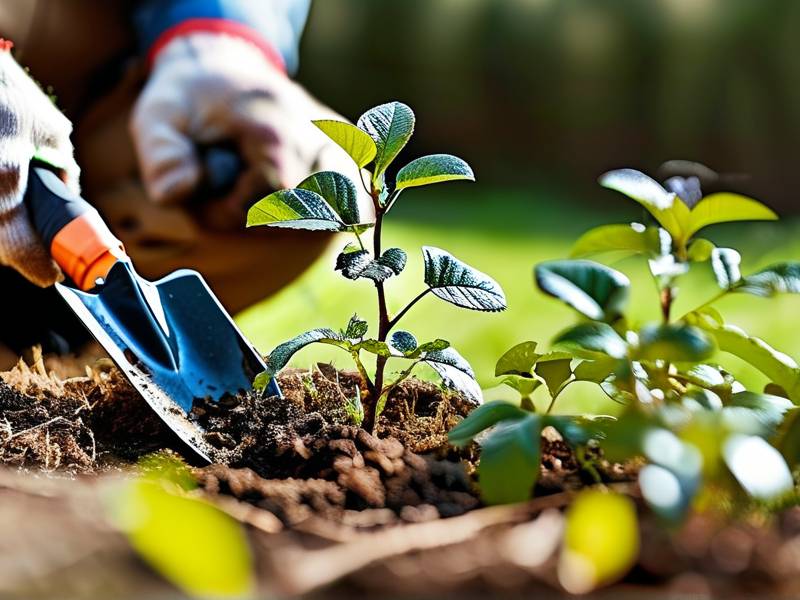
But here's the catch. You have to plant them right away. I once left a bare root rose in the garage for 5 days. The roots dried out completely. That was a total waste of $15. So now, I unpack them immediately upon arrival.
My 2-Week Observation After Planting Correctly
I planted a bare root 'Queen Elizabeth' rose on March 10th this year. I followed every step I'm about to share. Here's what happened.
Day 1 to Day 3
I soaked the roots in a bucket of water for 18 hours. Then I dug a hole 18 inches wide and 18 inches deep. I mixed one part compost with two parts garden soil. I built a cone in the center of the hole. I spread the roots over the cone, making sure they angled downward. I backfilled halfway, watered gently, then added the rest of the soil. I watered again. I topped it with 2 inches of mulch, but kept the mulch away from the stem. The next morning, the soil was slightly moist but not wet. I left it alone.
Day 4 to Day 7
By day 4, I saw tiny red buds forming at the top. This is called "breaking dormancy." I was relieved. I checked the soil moisture every other day. I stuck my finger two inches deep. If it felt dry, I watered. It only needed water once on day 6. The buds grew a little bigger. No leaves yet. I noticed the soil stayed moist longer because of the mulch.
Day 8 to Day 14
On day 8, the buds opened into small green leaves. By day 14, there were three canes with leaves about 2 inches long. The plant looked happy. I did not fertilize yet. The RHS recommends waiting 4 to 6 weeks after planting before applying any fertilizer. Fertilizing too early burns the new roots. I learned that the hard way last year when I added blood meal on day 10 and the leaves turned yellow.
3 Deadly Mistakes Beginners Make (I Made All of Them)
I want to save you the frustration I went through. Here are the three most common errors I see, and I've committed every single one.
1. Overwatering
This is the biggest killer. Many beginners, including my past self, think roses need constant moisture. Actually, they rot. I once watered my bare root rose every single day for two weeks. The roots turned black and mushy. The plant died within 3 weeks. The correct approach is to water deeply once after planting, then only water when the top 2 inches of soil are dry. Check with your finger. Seriously, it's that simple.
2. Light Placement Error
I put my first bare root rose in full shade because I thought it would "settle in better." It grew leggy and never bloomed. Bare root roses need at least 6 hours of direct sunlight daily. I now place them in a spot that gets morning sun and partial afternoon shade. Too much intense afternoon sun can scorch new leaves. Too little light weakens the plant. I've also seen people put potted bare root roses indoors, but they need outdoor conditions to thrive.
3. Using the Wrong Container
I killed my second bare root rose by planting it in a terra cotta pot that was too small. The roots had no room to spread. The pot dried out too fast, and the rose stressed out. For container planting, use a pot that's at least 18 inches deep and 20 inches wide, with drainage holes. I now use plastic pots with large drainage holes because they retain moisture better than terra cotta. The AHS emphasizes that container size directly impacts root development. If the roots curl inside the pot, the rose will struggle forever.
Step-by-Step Guide: How I Plant Bare Root Roses
I've refined this process over 6 years. Every step comes from trial, error, and yes, a few dead plants.
1. Unpack and Soak
When the bare root rose arrives, remove all packaging. Check the roots. They should look flexible and light brown. If they're brittle and dark, they're dead. Don't plant those. I once got a shipment with dried roots, and I contacted the supplier immediately for a replacement. Then, submerge the entire root system in a bucket of water. Use room temperature water. Let it soak for 12 to 24 hours. This rehydrates the roots. I set a timer on my phone so I don't forget. I forgot once and left it for 36 hours. The roots got waterlogged and slimy. Stick to 12 to 24 hours.
2. Prepare the Soil
Bare root roses need loose, nutrient-rich soil. I dig a hole 18 inches wide and 18 inches deep. That's wider than it looks. The roots need space to spread. I set aside the dug-up soil in a wheelbarrow. I mix in one part compost for every two parts of soil. Compost improves drainage and adds organic matter. If you have heavy clay soil, add some sand or perlite too. Clay soil holds too much water, which can rot roots.
3. Build a Cone
In the center of the hole, I build a cone of soil. This cone should be about 4 to 6 inches high. The idea is to drape the roots over the cone. This prevents the roots from bunching up at the bottom. I spread the roots downward, following the cone's slope. I make sure the graft union (the swollen bump where the stem meets the roots) sits about 1 to 2 inches above the soil line. If you bury the graft union, the rose might grow suckers instead of flowering canes. I learned this from a RHS guide.
4. Backfill and Water
I fill the hole about halfway with the soil-compost mix. Then I gently water that layer to settle the soil. I continue filling until the hole is full. I water again, slowly, until the soil is moist 6 inches deep. I don't pack the soil too tightly. Roots need air pockets. A gentle pat down is enough.
5. Mulch but Keep Mulch Away
I add a 2-inch layer of organic mulch, like wood chips or shredded bark. But I leave a 2-inch gap around the stem. If mulch touches the stem, it can cause rot or attract pests. I made this mistake and found slugs living right next to the stem. The mulch keeps the soil cool and retains moisture. It also suppresses weeds.
6. Wait and Monitor
For the first 2 weeks, I don't fertilize. I don't prune. I just water when the soil dries. I check every 3 days. I also protect the plant from strong wind. My friend lost a bare root rose because a storm snapped the top cane. I now stake the plant if it's in a windy spot.
Common Questions (FAQ)
Can I plant bare root roses in fall?
Technically yes, but I avoid it. I prefer early spring, right when the ground is workable but before the last frost. Fall planting risks winter damage unless you live in a mild climate like zone 7 or higher. I tried fall planting once in zone 5, and the rose didn't survive winter.
How long does it take for first bloom?
It depends. Usually 8 to 12 weeks after planting. But don't rush it. Some varieties take longer. My 'Queen Elizabeth' bloomed at week 10. I once saw a 'Knock Out' bare root bloom in 6 weeks. Be patient. The first year, the rose focuses on root growth.
Should I prune bare root roses at planting?
No. I used to think pruning helped, but it stresses the plant. I pruned a bare root rose right after planting, and it produced only one small cane. The AHS suggests waiting until the second year for major pruning. But if there's any damaged or broken root, trim it with sterilized shears. That's it.
Final Thoughts from My Experience
Planting bare root roses the right way takes a little patience but it's worth it. I've had success with dozens of plants after learning from my early failures. The first year is about root establishment, not big blooms. water less than you think, give it enough sun, and use a big enough container. Check the RHS and AHS guides for more details if you want to dive deeper. I still reference them when I try a new rose variety. Honestly, my garden looks better every year because I stopped fighting the plant and started working with it. If I can do it after killing a few plants, you can too.