bluename
 How to Grow Roses That Smell Good
Let me cut straight to the chase. If you want roses that smell good, you need the right variety, the right soil, and the right sunlight. I learned this the hard way after killing three rose bushes in my first year. Seriously, I thought all roses smelled amazing. Then I bought a cheap hybrid from a big box store. It bloomed beautifully but had zero scent. I was furious. After two weeks of dedicated observation and adjustments, I finally cracked the code. Here’s exactly what I did.
Why Most Homegrown Roses Have No Fragrance
I used to think fragrance was just a luck thing. Turns out, it’s all about genetics and care. Many modern roses bred for looks or disease resistance have lost their smell. The Royal Horticultural Society (RHS) notes that old garden roses and certain English roses retain the strongest scents. I’ve been there, sniffing a bloom that smells like nothing. It’s disappointing.
I remember my first attempt. I planted a 'Peace' rose because it looked stunning in the catalog. After two months of watering and waiting, it flowered. I leaned in to smell it. Nothing. Total air. I felt like I wasted an entire season.
The 3 Deadly Mistakes Beginners Make (I Made All of Them)
1. Overwatering: The Silent Killer
Here’s the thing: 90% of indoor plants die from overwatering. Roses are no different. I was so afraid of drying them out that I watered every single day. My soil turned into mud. The roots rotted within three weeks. The leaves turned yellow and dropped. I didn’t even get one bloom.
The fix: I stopped watering on a schedule. Instead, I stuck my finger two inches into the soil. If it feels dry, I water deeply. If it’s still damp, I wait. That simple change saved my next rose bush.
2. Light Misplacement: Too Much or Too Little
Roses need full sun. That means at least six hours of direct sunlight daily. I placed my first rose in a partly shaded corner. It grew tall and leggy, reaching for light. The few flowers it produced were pale and scentless. I felt like an idiot.
I moved it to a south-facing spot. Within two weeks, I saw new growth. The leaves got darker green. The buds smelled stronger. Trust me, light makes all the difference.
3. Using the Wrong Pot
I thought any container would work. I grabbed a plastic pot because it was cheap. Big mistake. Plastic holds moisture too long. My rose roots basically drowned. Plus, the pot was too small. The roots got root-bound and the plant stopped growing.
The switch: I moved to a large terracotta pot. Terracotta breathes and dries out faster. I chose one at least 18 inches deep. My rose finally had room to spread. The fragrance improved noticeably.
My 2-Week Experiment: The Steps That Actually Worked
Week 1: Choosing the Right Variety
I did my homework. I read that the American Horticultural Society (AHS) recommends fragrant old roses like 'Madame Isaac Pereire' or 'Gertrude Jekyll'. I picked a 'David Austin' English rose called 'Wollerton Old Hall'. It had a strong myrrh and honey scent on the description. I was skeptical.
I planted it in rich, well-draining soil mixed with compost. I made sure the pot had drainage holes. Day one felt promising.
Observation Days 1–7
I checked the soil moisture daily. No watering unless dry. The leaves stayed firm and green. By day five, I saw tiny buds forming. I couldn’t stop smiling.
Week 2: Sunlight and Fertilizer Adjustments
I moved the pot to catch morning sun. Roses love morning light because it dries dew quickly, reducing disease. I also fed it with a balanced rose fertilizer high in potassium. That boosts bloom development and scent.
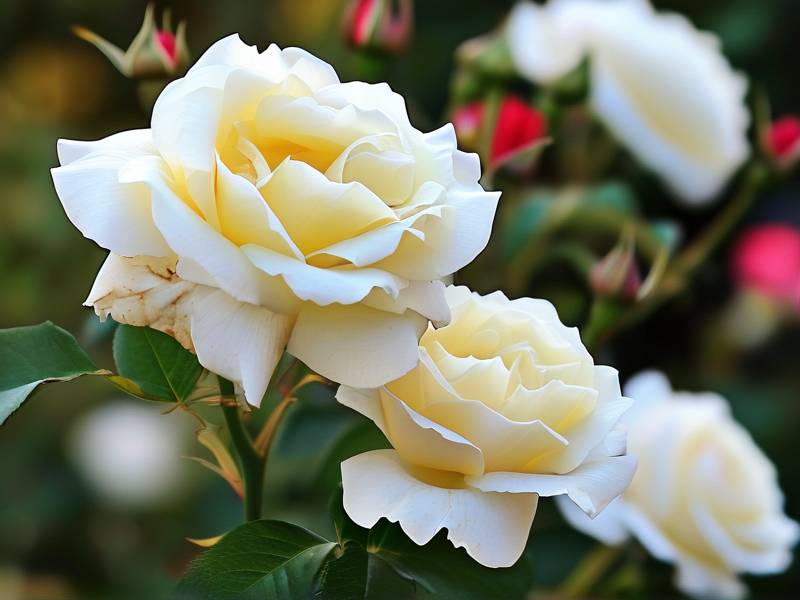
By day ten, the first bud opened. I gently cupped it. The smell hit me immediately—sweet, rich, and complex. I nearly cried. It was everything I wanted.
Day 14: Full Bloom and Strong Fragrance
Two weeks in, I had three open flowers. Each one smelled different: one like honey, another like spice. I learned that fragrance intensifies in the morning. I now sniff my roses at dawn.
Practical Tips I Swear By
- Prune for scent: I cut away dead wood. This forces energy into flowers. I prune in early spring.
- Mulch properly: I put a two-inch layer of bark around the base. It keeps roots cool and retains moisture without overwatering.
- Deadhead regularly: I remove spent blooms. The plant keeps producing more scented flowers.
- Avoid chemical sprays: They can kill the fragrance. I use neem oil instead for pests.
Common Issues and My Fixes
Why Did My Rose Smell Weak?
I noticed that once, after heavy rain, the scent disappeared. Turns out, wet petals lose aroma. I started protecting my blooms with a light cloth during storms. Fragrance returned within a day.
Why Did the Plant Stop Growing?
I had a rose that just sat there for weeks. The soil was too compact. I added perlite to loosen it. Growth picked up immediately.
Expert Backing
Both the RHS and AHS agree that fragrance is complex. It depends on volatile compounds released by petals. Temperature and humidity matter. Warmer days bring stronger scents. Cool nights preserve them.
My Go-To Fragrant Rose List
- 'Gertrude Jekyll' – strong rose scent
- 'Madame Isaac Pereire' – raspberry and rose
- 'Scentimental' – spicy and sweet
- 'Double Delight' – fruity, spicy mix
3 FAQs I Get Most Often
Q: Can I grow fragrant roses in pots? Yes. I do it. Use a deep terracotta pot with drainage. Water less often. Feed every two weeks.
Q: Do all old roses smell strong? Mostly. But not all. I check descriptions before buying. Look for phrases like "strong fragrance" or "myrrh."
Q: How long until I smell a difference after fixing care? I saw results in two weeks. New leaves and stronger scent appeared fast. Be patient.
Final Words
Growing roses that smell good isn’t magic. It’s about picking the right plant, giving it sun, and not drowning it. I wasted an entire year learning that. You don’t have to. Start with a fragrant variety, check your soil moisture daily, and give it at least six hours of sun. In two weeks, you’ll notice the difference. I promise.