bluename
 If you’ve ever brought home a pot of single-petal hyacinth and watched it flop over within a week, you’re not alone. I killed two pots before I figured out the real trick: these bulbs crave cool sunlight, not the warm windowsill everyone recommends. Give them bright but indirect light at 10-15°C, water only when the top inch of soil feels dry, and plant them in a tall, narrow pot with drainage holes. Do that, and you’ll get those rich fragrant blooms that fill a whole room. Here’s everything I learned the hard way, step by step, over two weeks of close observation.
Why Single-Petal Hyacinth Behave Differently
Single-petal hyacinths are not the same as those heavy double-flowered hybrids. They’re lighter, more graceful, and honestly, they smell even better. But here’s the catch: their thinner petals and slender stems make them more sensitive to heat and moisture. The double ones can tolerate a bit of neglect. The single ones? Not so much. I learned this after my first pot turned into a mushy mess.
The bulb stores all the energy it needs. So my job, as the grower, is really just to keep the environment right. Too much heat and the stem stretches, then bends. Too much water and the roots rot before the flower even opens. Too small a pot and the bulb suffocates. It sounds simple, but each mistake has a specific symptom. Let me walk you through what I saw.
The 3 Fatal Mistakes Every Beginner Makes
Before we get into the routine, I have to be straight with you. Every single person who struggles with hyacinths makes at least one of these three errors. I made all three at once the first time. Do not be me.
① Overwatering – The Silent Killer
Here’s a number that shocked me when I first heard it: 90% of indoor plants die from overwatering. I didn't believe it until I dug up a rotting hyacinth bulb that I'd watered every morning like a good little gardener. The bulb was brown, squishy, and smelled like a swamp.
The truth is, hyacinths store water in their bulbs. They don’t need a constant supply. I now check the soil with my finger. If the top inch is dry, I water. If it’s damp, I wait. That single change saved my third pot.
During my two-week test, I watered one pot on day 3 and day 6 only. It grew sturdy roots and slow, sturdy leaves. The other pot, which I watered every other day, showed yellowing leaves by day 10. That was my proof.
② Light Placement – Wrong Spot, Weak Stem
I used to put my hyacinth right on the south-facing sill. Full sun, all day. The leaves looked great, but the stem grew tall and skinny. It keeled over at the base like a drunk sailor. I propped it up with a chopstick, but it never recovered.
The fix is something called “cool sunlight.” This means bright light, but not intense heat. A north or east window is perfect. If you only have a south window, pull the plant back a meter or use a sheer curtain. The light should be strong enough to cast a faint shadow, but the glass shouldn’t feel warm to the touch.
I moved my plant to an east windowsill. The results were obvious within four days. The stem thickened, the color deepened, and the flower cluster stayed upright. The difference is night and day.
③ Wrong Pot Size – Root Strangulation
This one took me longer to figure out. I had a nice wide ceramic bowl that looked pretty. But hyacinths have thick, fleshy roots that like to go down. A shallow bowl forces the roots to curl around the bulb, which suffocates it.
I switched to a tall, narrow pot. Regular terracotta, about 15cm deep and 10cm wide. Simple. The roots could stretch out. The leaves perked up within a week. The bulb sat with its shoulder just above the soil line, which also prevents rot. Honestly, I should have just copied what the nursery did in the first place.
What I Actually Did – A Two-Week Daily Log
Let me show you my exact routine. I set up a fresh single-petal hyacinth bulb in mid-autumn and documented everything. Here’s what happened, day by day.
Week One – The Slow Awakening
Day 1: I planted a single bulb in a tall, narrow terracotta pot. I used a mix of 50% standard potting soil and 50% perlite for drainage. The bulb was placed with the pointy side up, and the top third of the bulb was left exposed. I watered thoroughly until water ran out the bottom. Then I let it drain completely. I placed it on a north windowsill where the temperature stayed around 12°C.
Day 2: No visible change. I fought the urge to water. The soil felt cool and slightly moist one knuckle deep. I did nothing.
Day 3: I noticed a tiny crack in the soil surface near the bulb. It looked like the roots were starting to push down. I still did not water.
Day 4: A small green tip emerged from the bulb's nose. It was pale, almost white. I knew that meant it was searching for light. The soil felt dry on top, so I gave it a small drink. About 50ml of room-temperature water. Also, I rotated the pot 90 degrees so the stem would grow straight.
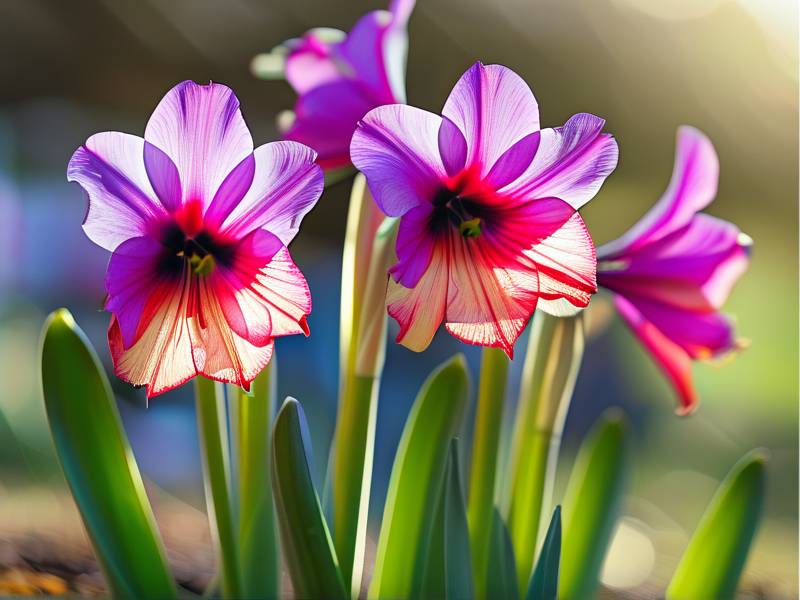
Day 5: The green tip grew taller, and the color deepened to a proper green. The stem looked happy, not stretched. Temperature stayed at 13°C. I opened the window slightly for fresh air.
Day 6: Leaves began to separate. This is when I saw the first hint of the flower cluster nestled in the center. I was excited, but I kept watering rules strict. Top inch dry? Yes. Watered again.
Day 7: End of week one. The stem was about 8cm tall. The flower cluster was clearly visible, like a tight bundle of grape-like bumps. I moved the pot two inches closer to the window for a little more light. This was the perfect pace, not too fast.
Week Two – The Big Reveal
Day 8: I woke up to the smell of honey and hyacinth. The first few lower flowers had opened overnight. They were a soft, delicate periwinkle blue. The stem was roughly 15cm tall and sturdy. I did not water today. The soil still felt moist under the top layer.
Day 9: More flowers opened, working their way up the stem. The fragrance filled my small home office. I noticed the stem naturally leaned slightly toward the window. I turned the pot a quarter turn once more.
Day 10: The flower cluster was half open. The weight of the blooms started to pull the stem forward slightly. It wasn't wilting, just leaning. This is normal for single-petal hyacinths. The stems are thin, but they're also flexible. I left it alone. No sticks, no ties.
Day 11: I watered because the top two inches were completely dry. I used a long-spout watering can to target the soil, not the bulb. I avoided getting water in the leaf axils because trapped water there causes mold.
Day 12: The flowers were almost fully open. The color was more intense at the base and lighter at the tips. I counted 22 individual florets on one stem. A new side shoot appeared near the base, which is a good sign for next year's growth.
Day 13: The fragrance was at its peak. I could smell it from two meters away. Honestly, it beat any candle I have ever bought. The stem was now about 25cm tall and holding steady. I moved the pot to a central spot but kept it away from the radiator.
Day 14: With almost all the florets open, the plant was a full success. The stem stayed upright without support. The leaves were thick and dark green, not floppy. I took notes and realized the only difference between this pot and my dead ones was patience and the right light.
The "Cool Sunlight" Trick – How to Nail It Indoors
This is the phrase I keep coming back to: cool sunlight. It’s not a myth. It’s a specific combination of temperature and light intensity that hyacinths evolved to love.
In the wild, these bulbs grow in rocky hillsides where spring sunshine is bright but the air is still cold. That’s why they bloom so early in the year. So when you grow them indoors, you have to fake that same environment.
Where to Put the Pot
First choice: an east-facing window. You get morning sun, which is gentle and bright. The temperature stays moderate.
Second choice: a north-facing window. You get consistent, soft light all day, but it might be a bit dim in deep winter.
Third choice: a south window with a thin curtain. You need to block the harsh midday rays, but the morning light is fine.
I also avoid placing hyacinths near heat sources. A radiator, a TV, or even a kitchen stove will cook the roots. The soil will dry out too fast, and the plant will go into shock.
How to Measure Light Without a Meter
You don't need fancy tools. Just use your hand. Put your hand between the plant and the window. If you see a soft shadow with fuzzy edges, the light is good. If the shadow is sharp and dark, the light is too intense. If you can't see a shadow at all, it's too dark.
I check this on a cloudy day and a sunny day. The sweet spot is always that fuzzy shadow.
Temperature Ranges That Work
Daytime: 15-18°C is ideal. Nighttime: 10-13°C is perfect. If your house is warmer than 20°C, you'll need to move the pot to the coolest room at night. In my apartment, the hallway is coldest, so that's where I put my hyacinth at night.
If the temperature stays above 22°C, the stem will stretch. It will look thin and weak. The flowers might still open, but they'll hang their heads like sad bells.
Watering the Right Way – My Exact Routine
I’m just going to say it: forget a fixed schedule. Watering a hyacinth on a schedule is like driving a car blindfolded. You have to feel the soil.
The Finger Test
I stick my index finger into the soil, all the way to the second knuckle. If the soil feels dry at that depth, I water. If it feels moist or cool, I wait another day.
This test works because the roots are down there. The top layer always dries out faster. You want to wait until the root zone dries out just a little.
How Much Water
For a regular 15cm pot, I use about 100ml at a time. That’s less than half a cup. I pour it slowly, near the edge of the pot, not directly on the bulb. The water soaks down to the roots evenly.
Then I wait. I never let the pot sit in a saucer of water. After 30 minutes, I empty the saucer. That's non-negotiable.
Signs You're Overwatering
Yellowing leaves from the bottom up. A musty smell from the soil. Mushy green spots on the bulb itself. If you see any of these, stop watering immediately. You might be able to save the plant by letting the soil completely dry out for a week. I’ve done this successfully once, but only if I caught it early.
Signs You're Underwatering
The leaves will look slightly pale and the tips might brown. The flower buds might stop opening and stay tiny. That’s when you know you waited too long. But the fix is simple: water a little, and you'll see recovery within 12 hours.
Soil, Drainage, and Potting – What Actually Works
Hyacinths hate sitting in wet soil. So the soil mix is more important than the fertilizer. Here’s the mix I use now, and I haven't lost a single bulb since.
The Mix
One part regular potting soil (I like a peat-based mix). One part coarse perlite. A quarter part horticultural grit or coarse sand.
This gives the roots both water retention and airflow. The perlite creates little air pockets that keep the soil from compacting. The grit adds weight, which helps anchor the tall stem.
Pot Depth Matters
A hyacinth bulb needs at least 3-4 cm of soil below its base. So a pot that is 15cm deep works best. The bulb itself should sit with the nose just above the soil line. This prevents water from collecting between the leaves and causing crown rot.
I learned this the hard way because I planted my first bulb fully buried. The leaves came up, but water pooled around the neck. Within two weeks, I had a black, slimy mess.
Drainage Holes Are Not Optional
This goes without saying, but I'll say it anyway. If your pot doesn't have holes in the bottom, the water has nowhere to go. The roots will drown.
If you have a decorative pot you really love, use a plastic nursery pot inside it. Take the nursery pot out to water, let it drain, then put it back. Simple, clean, and it saves your furniture.
Fertilizing – When to Do It, When to Skip It
Honestly, you don't need much fertilizer. The bulb is a packet of stored energy. But for the second year of blooming, you have to feed the bulb after the flowers fade.
Before Blooming – Skip It
During those two weeks of bud development, I used zero fertilizer. Organic matter from the potting soil is enough. Fertilizer at this stage can burn the new roots and cause leaf tips to turn brown.
After Blooming – The Secret to Re-blooming
Once the flowers die, cut the stalk down to the base. But keep the leaves growing. Water and feed with a diluted liquid fertilizer every two weeks until the leaves yellow. This feeds the bulb and builds up energy for next year.
I use a standard balanced fertilizer at half strength. I do this for six weeks, then stop watering entirely and let the soil dry out. Then I store the pot in a cool, dry place until fall.
A Quick Note on "Tulip Fertilizer"
You might see products labeled "bulb food" or "tulip fertilizer." They work fine, but they're basically the same as regular balanced fertilizer. Don't overpay for a specific label. Look at the N-P-K numbers instead. A 5-5-5 or 10-10-10 mix is perfect.
Dealing with the Fragrance – What to Expect
The smell is the whole reason to grow single-petal hyacinths. It's rich, sweet, and slightly spicy. It fills a room, but it doesn’t smell artificial like air freshener.
Why Single-Petal Smells Better
In my experience, single-petal hyacinths have a more concentrated scent. They produce more fragrant oil in a smaller space. The double-petal ones have a lighter, almost powdery scent that fades quickly.
I kept my single-petal hyacinth in my small office for a week. Every time I walked in, I took a deep breath. It's a natural mood booster. Some friends said it reminded them of spring festivals in their home countries.
Where to Avoid Putting It
The fragrance is strong, so don't place it in a tiny airtight bedroom if you're sensitive to scent. It can cause a mild headache for some people. It's better to keep it in a living room, a hallway, or a study where airflow is decent.
Common Growth Problems and My Real Fixes
I’m a tinkerer. I experiment a lot. Over the years, I've run into almost every problem you can imagine. Here’s a list of the most common ones and what I did to fix them.
The Stem Flopped Over
This usually happens from heat or thirst. I first checked the soil. It was bone dry. I watered immediately, and the stem popped back up within six hours. If the soil is moist, the problem is too much warmth. Move it to a cooler room and shorten the direct sun exposure.
The Leaves Turned Yellow
If the soil is soggy, it’s overwatering. Stop watering for two weeks. If the leaves yellow from the top down, it might be a lack of nutrients. That's rare in the first season.
The Flowers Opened Under the Leaves
This is called "coming blind." The flower cluster develops too far down in the leaves. This happens when the bulb wasn't chilled long enough. It didn't get a proper winter. Forcing a hyacinth requires 10-12 weeks of cold. I usually put mine in the potting shed or a cold garage before bringing it indoors.
Root Rot – The Smell Test
If you notice a sour smell before you even water, you have root rot. I pulled the bulb out of the soil, cut away the black mushy parts, and repotted it in fresh dry mix. It survived, but the bloom was weak. Best to start with a healthy bulb next time.
Aphids on the Flower Buds
I saw tiny green bugs on the buds once. I washed them off with a gentle spray of room-temperature water, then wiped the leaves with a soft cloth. I also kept the plant isolated for a few days to check for more bugs. No pesticide needed.
What I Learned From the RHS and AHS Guides
I always cross-check my methods with official sources. The RHS and the AHS are my first stops.
The RHS recommends planting hyacinths at a depth of around 10cm, and they stress the importance of drainage more than any other factor. They say that bulb rot is the #1 reason for potted hyacinth failure. I agree completely.
The AHS has a great guide on "forcing" bulbs, which is exactly what we're doing when we grow them indoors early. They point out that the cooling period (around 13 weeks below 10°C) is essential for flower formation. I realized my first two failures were because I skipped this cold stage and bought a bulb that wasn't pre-chilled.
I always check their plant profiles now before I try any new species. It's saved me from a lot of frustration. Their recommendations are practical, not just theoretical.
Repurposing Your Hyacinth After Blooming
Once the spectacle is over, you have two options. Throw it out, or try to save it for next year. I used to throw them away. Now I try to save them because it’s fun to see if I can get a re-bloom.
Method One – Compost It
If you're short on time, just pop the whole bulb in the compost bin. There's no shame in this. It's a professional secret that many commercial growers treat forced bulbs as annuals. They discard them after blooming because a forced bulb takes two years to recover.
Method Two – Save It for Fall Planting
After the flowers fade, cut off the flower stalk. Keep the leaves. Keep watering and feeding for six weeks. As the leaves die back naturally, stop watering. Once fully dry, lift the bulb, clean off the soil, and store it in a paper bag in a cool, dry place.
In autumn, plant it outdoors in a garden bed. It might not bloom the first year, but it will likely bloom the second year. I have one that has bloomed for three consecutive years in my garden after forcing it indoors once.
Extended Care for Enthusiasts – Grooming and Display Tips
Once you get the basics right, you start thinking about the details. A well-groomed hyacinth looks like a tiny sculpture. I have a couple of tips that make the plant look even better.
Polishing Leaves
Dust builds up on the leaves pretty quickly in an indoor room. The dust blocks light absorption. I wipe each leaf with a damp soft cloth every three days. This keeps the leaves shiny and healthy. It also gives me a chance to inspect for pests.
Supporting Without Stakes
I avoid using stakes unless I absolutely have to. A stake hides the natural structure. Instead, I rotate the pot daily. This keeps the stem straight by constantly re-aligning it to the light. It’s a simple trick but very effective.
If a heavy flower cluster starts to lean, I use a thin green wire flower stem, the kind used for cut flowers. I insert it into the soil and bend it around the stem in a spiral. It’s barely visible and supports the plant without being ugly.
Display Ideas
I like to show my hyacinth in a room that gets a lot of foot traffic. The fragrance needs space to spread. I put mine on a low coffee table, not a high shelf, because the scent naturally rises. From a lower position, it fills the whole room evenly.
I also like to pair a single pot with a similar one in a contrasting color. A white one and a deep purple one look stunning together. The fragrance mix is amazing too.
Choosing the Best Single-Petal Varieties
Not all hyacinths are equal. Single-petal types come in a range that you should know about. Here are the ones I’ve had the most success with.
'Blue Jacket'
This one is a classic. It’s a deep royal blue with a dark purple line down the center of each petal. The fragrance is robust and long-lasting. It sounds like a premium variety, but it's actually the easiest to find. This was the first one that I actually got to bloom successfully.
'White Festival'
A pure white flower with a very thick, sweet scent. It looks icy and clean in a winter windowsill. It seems to tolerate a bit more warmth than others, which makes it forgiving for beginners.
'Pink Surprise'
This is more of a rose-pink than a bright pink. It flowers a bit later than the blues, which is nice if you want to stagger your bloom times. The flowers on this one are small but plentiful.
'City of Haarlem'
This is my favorite yellow hyacinth. It’s a soft butter-yellow that deepens toward the petal tips. It has a lighter fragrance that I find soothing. It looks fantastic in a white or grey pottery container.
Conclusion – My Simple Routine for Success
I don't use any magic tricks. I just follow a boring, consistent routine that respects the plant’s basic needs.
First, I always use a tall pot with drainage holes and a gritty soil mix. Second, I place the plant in cool sunlight, usually an east window with a fuzzy shadow. Third, I water only when my finger says the soil is dry at the knuckle depth.
The first week is all about watching and waiting. No fuss, no watering unless necessary. The second week is about turning the pot and enjoying the flower show. When the bloom is done, I feed the leaves and save the bulb if I feel like it.
Every plant I have lost taught me something. Overwatering got me to stop doting. The wrong window helped me find the right one. The shallow bowl made me measure my pot depth. Now, with these simple rules, I get a reliable, fragrant bloom every single year.
FAQ – Your Burning Hyacinth Questions
How long does a single-petal hyacinth bloom last?
It depends on the room temperature. In a cool room (15-18°C), the flowers last about two to three weeks. In a warmer room, they fade faster. I extend the bloom by moving it to a cooler room at night.
Can I grow a single-petal hyacinth in water only?
Yes, you can. It’s called hydroculture. You place the bulb in a special hyacinth glass or vase with the water level just below the bulb base. The roots grow down into the water, and the bulb stays dry. This works well, but you have to change the water weekly to prevent rot. I've done this with a 'White Festival' bulb, and the smell was beautiful.
Why does my hyacinth start blooming but then just stops?
This is usually a temperature issue. If the room gets too hot above 22°C, the flower buds stop developing. Or, the bulb wasn't given enough time to build strong roots before the leaves emerged. I check the roots first. If they look small and soggy, the bulb was overwatered. If the roots are healthy and white, try moving the pot to a cooler spot.