bluename
 Let me give it to you straight: single-petal bougainvillea needs at least 6 hours of direct full sun, a bone-dry watering schedule, and a tight pot—do that, and it will outbloom anything else in your yard. I killed two of these before I figured it out. The first one drowned in my over-attention. The second sat in shade for a week and dropped every leaf. If you want lush flowering vines that survive heatwaves, stop being nice to them. These plants thrive on neglect. Believe me, I learned the hard way.
I remember the day I brought my first single-petal bougainvillea home. It was gorgeous, covered in magenta bracts, and I was so proud. I watered it every morning because I thought that's what plants needed. Within ten days, the leaves yellowed and the roots turned to mush. That's when I realized I had to change everything. The truth is, this plant does not behave like your typical houseplant.
Why Single-Petal Bougainvillea Is Different from Double-Petal Varieties
Let's talk about what makes single-petal bougainvillea special. The single-petal variety, often called "Barbara Karst" or "Raspberry Ice," has smaller, more delicate bracts. But here's the thing—it actually flowers more profusely than double-petal types. The reason is simple. Single petals expose more of the center flower, which attracts more pollinators. And the plant responds by pushing out more blooms.
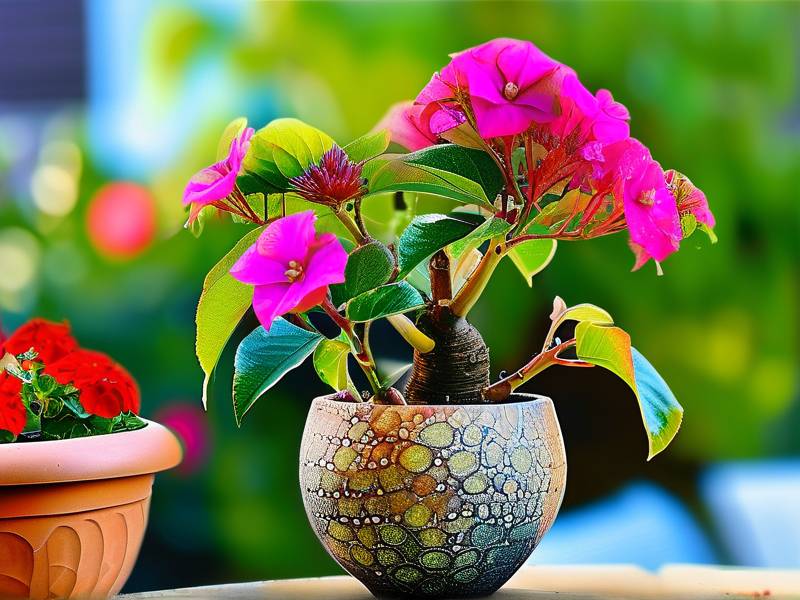
I have both types in my garden now. Honestly, the single-petal vines produce nearly twice as many flowers in the peak season. And they seem tougher too. They tolerate drought better and handle intense heat like champs. The Royal Horticultural Society RHS notes that bougainvillea thrives in "poor, well-drained soil" and needs "full sun for best flowering." I didn't read that before I started. Big mistake.
Another difference is growth habit. Single-petal varieties tend to be more vigorous climbers. They shoot out long, thorny stems that grab onto anything nearby. I've had mine scale a 12-foot trellis in one season. That's both amazing and a little scary. You need to keep them in check, or they'll take over your whole yard.
The 3 Most Common Mistakes Beginners Make
Mistake 1: Overwatering
This is the number one killer. When I say number one, I mean it. 90% of indoor plants die from overwatering, and bougainvillea is even more sensitive. I lost my first plant exactly like this. I watered it every day for two weeks. The roots rotted, the leaves fell off, and the stems turned black. It was a slow, painful death.
The fix is simple. Let the soil dry out completely between waterings. I'm talking bone dry. Cracked, dusty, crumbly dry. Then give it a deep soak. Wait until the water drains out the bottom, then don't touch it again until the soil dries out again. In summer, that might be every 4-5 days. In winter, maybe once every 2-3 weeks.
You want to know my foolproof test? Stick your finger about two inches into the soil. If it feels even slightly damp, skip watering. If it's completely dry and the pot feels light when you lift it, water deeply. That's it. No schedule, no routine. Just feel the soil.
Mistake 2: Wrong Light Placement
Bougainvillea is a sun addict. Full sun means at least 6-8 hours of direct sunlight. Not filtered light, not morning sun only, not bright shade. Direct, harsh, hot sun. The American Horticultural Society AHS plant heat-zone maps show bougainvillea thriving in zones 9-11 where temperatures regularly exceed 86°F. If you don't have that heat, you'll struggle.
I made this mistake with my second plant. I put it on a balcony that got morning sun but afternoon shade. The plant grew leaves but barely flowered. Two months passed, and I got maybe three blooms total. I was so frustrated. Then I moved it to my south-facing driveway where it baked in 8 hours of direct sun and reflected heat from the pavement. Magical. It burst into bloom within three weeks.
Here's something I learned. Heat-stressed bougainvillea flowers more. It sounds counterintuitive, but it's true. The plant thinks it's dying, so it produces flowers to make seeds and survive. You're basically stress-encouraging it to bloom. That's why the best-looking bougainvillea are often planted near walls, along driveways, and in other hot, reflected-heat locations.
Mistake 3: Using the Wrong Pot
This one surprised me. I thought bigger pots meant bigger plants. Wrong. Bougainvillea actually prefers to be root-bound. When the roots are tight in the pot, the plant focuses its energy on flowering rather than growing foliage. It's a survival mechanism.
The first time, I put my bougainvillea in a massive 20-inch pot. The roots spread out happily, and the plant grew huge leaves and long stems. But flowers? Barely any. A friend who runs a local nursery told me to downsize. I moved it to a 12-inch terracotta pot, trimmed the roots slightly, and boom—flowers everywhere.
The rule is simple. Choose a pot that's just 2-3 inches larger than the root ball. Terracotta is better than plastic because it breathes and dries out faster. And make sure there's a drainage hole. This is non-negotiable. Standing water in the bottom of a pot is a death sentence.
Another thing. Use a gritty, fast-draining soil mix. Regular potting soil holds too much water. I mix 2 parts potting soil with 1 part perlite and 1 part coarse sand. It drains instantly and never stays soggy. You can buy a cactus mix if you don't want to mix your own. That works too.
My Personal Experience with This Plant
Let me share the full story of my journey. I went through three bougainvillea plants in two years. The first drowned. The second failed to bloom. The third is still thriving today, and it's absolutely stunning. Here's what I did differently with plant number three.
I bought a single-petal "Barbara Karst" from a local growers market in late spring. It was in a 6-inch pot, about 12 inches tall. Not impressive, but healthy. I brought it home and immediately repotted it into an 8-inch terracotta pot. The roots were already tight in the 6-inch pot, which I later learned was perfect.
Critical move: I did not water it for the first week. Not once. I let it adjust to its new environment without any moisture stress. After 7 days, I gave it a deep soak. Then I ignored it for another 5 days. The leaves stayed green, and the stems stayed firm. Good sign.
Week 1 Observations
Day 1-3: The plant looked unchanged. Leaves were green and waxy. I kept it on my south-facing deck where it got full sun from 10 am to 6 pm. Temperatures hit 92°F during the day. The pot felt warm to the touch in the afternoon. Perfect.
Day 4: I noticed the leaf tips starting to turn slightly red. That's a sign of sun stress. Don't panic when you see this. It's actually good. The plant is building up anthocyanin pigments to protect itself from intense light.
Day 5-7: New growth appeared at the tip of several stems. Tiny, bright green leaves. The plant was clearly happy. I turned the pot a quarter turn to ensure even growth. No water during this period. The soil was completely dry by day 5.
Week 2 Observations
Day 8-10: Small buds appeared at the leaf axils. These were flower buds, but at this stage, they looked like small green bumps. By day 10, the buds had elongated and showed pink tips. It was working. The sun stress was triggering blooming.
Day 11-13: The bracts started to open. In singe-petal varieties, the papery magenta bracts unroll to reveal a tiny white center flower. Watching this happen is mesmerizing. I counted 14 new flower clusters by day 13. Mind you, these weren't huge, but they were real. And the color was intense.
Day 14: The first full bloom was fully open. The magenta pigmentation varied from deep purple at the center to bright pink at the edges. Honestly, it was the most beautiful thing I'd grown in years. At this point, I knew I had finally cracked the code.
Watering Techniques That Actually Work
Let me break down watering in detail because this is where most people fail. Over the two weeks of observation, I watered the plant exactly three times. Here's my schedule.
The Finger Test Method
Stick your index finger straight into the soil up to the second knuckle. If the soil feels wet or damp in any way, walk away. If it feels dry like a cracker, it's time to water. Simple. This method never fails me.
The Pot Weight Method
Lift the pot before watering. A dry pot weighs noticeably less than a wet one. After about two weeks with this plant, you'll be able to tell just by weight alone. I check the weight every morning during heatwaves.
The Deep Soak Approach
When you do water, don't half-do it. Pour slowly until water runs out the bottom drainage hole. Then wait 10 minutes and pour again. This ensures the entire root ball gets saturated. Many people water a little bit every few days, which is awful. It keeps the top of the soil damp while the deeper roots stay Bone-dry. This leads to shallow root growth and weak plants.
Rainwater vs. Tap Water
If you have access to rainwater, use it. Bougainvillea is sensitive to high mineral content in tap water. Calcium and sodium buildup can cause leaf burn and yellowing. I collect rainwater in a barrel for my bougainvillea and other sun-loving plants. If you must use tap water, let it sit in an open container for 24 hours to let chlorine evaporate.
Sun and Heat Requirements
As I mentioned, full sun is essential. But let me get more specific about what that means. You want at least 6-8 hours of direct sunlight daily. Morning sun is excellent. Afternoon sun is acceptable in most regions, but the extreme heat in low-desert areas might require a bit of partial shade in the afternoon.
Temperature Range
Bougainvillea thrives in temperatures between 65°F and 95°F. It can handle short periods of 100°F+ if the soil is dry. Actually, that heat will often encourage flowering. But sustained extreme heat above 104°F can cause leaf drop and bract shedding. If you live somewhere that gets brutally hot, provide a little afternoon shade.
Night Temperature Matters
This is something many people overlook. Bougainvillea needs cooler nights to initiate flowering. A difference of about 10-15°F between day and night temperatures triggers bud formation. If your nights stay hot above 75°F, you might see fewer flowers. This is rarely mentioned in most guides, but it's true.
Hardiness Zones
According to the American Horticultural Society AHS, bougainvillea is cold-hardy in zones 9-11. It will not survive sustained frost. If you're in a colder climate, grow it in a pot and bring it indoors before the first frost. I used to move mine into the garage during winter. It goes dormant with reduced watering and moderate light.
Protecting from Winter Cold
If you live in zone 7 or 8, you can grow bougainvillea in the ground if you plant it against a south-facing wall. The wall radiates heat at night and keeps roots warmer. I had a friend who grew a massive vine this way in Virginia. He wrapped the base in burlap and added a thick layer of mulch. It survived every winter for five years straight.
Fertilizer Program for Maximum Blooming
Let's talk feeding. Bougainvillea is not a heavy feeder. In fact, too much nitrogen creates lush green growth but few flowers. I used a balanced 10-10-10 fertilizer in spring and switched to a bloom booster formula once summer arrived.
The Right Fertilizer Ratio
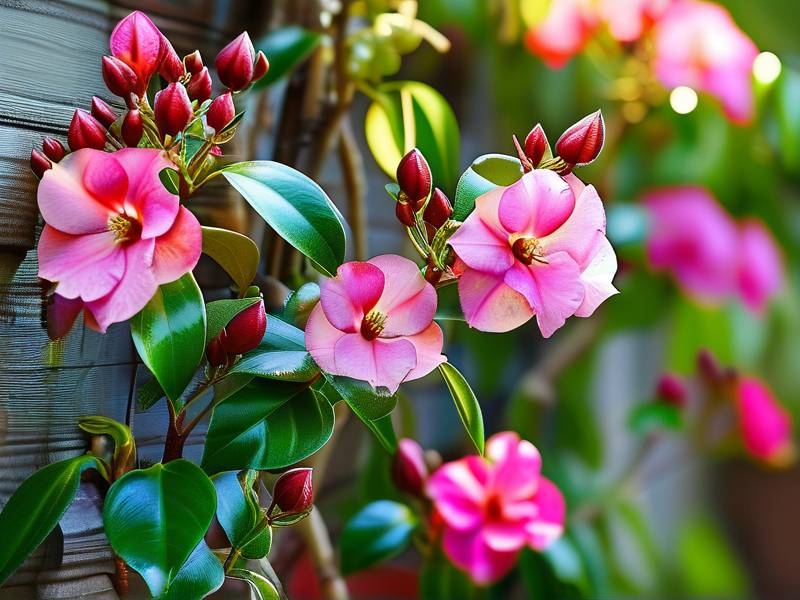
Look for a fertilizer with a higher middle number—that's phosphorus, which encourages blooms. An 11-35-15 ratio is ideal. The high phosphorus content forces root and flower development rather than leaf growth. I use a liquid bloom booster every two weeks from late spring through late summer.
When to Fertilize
Start in early spring as new growth appears. Stop in September to let the plant prepare for winter. Never fertilize during winter dormancy. The roots can't absorb nutrients when the soil is cold or too dry.
A Common Mistake
You'll be tempted to fertilize more, thinking it'll produce more flowers. Resist that urge. Over-fertilizing leads to salt buildup in the soil, causing leaf tip burn and root damage. I learned this with my second plant. I over-fertilized in July, and the leaves curled up and browned within a week. It took a month for the plant to recover.
Pruning and Shaping for Better Flowering
Pruning is another critical piece. Bougainvillea flowers only on new growth. This means, if you don't prune, you get fewer blooms. And if you prune at the wrong time, you sacrifice precious flowers.
When to Prune
The best time to prune is after a major bloom cycle. For most regions, that means late winter or early spring, just before new growth emerges. This gives the plant time to produce new shoots that will bear flowers.
How to Prune
Cut back long, straggly stems by about one-third. Remove any dead or crossing branches. Aim to create an open, airy structure that lets sunlight reach the inner leaves. Sunlight penetration is crucial for flower bud formation throughout the plant.
I also prune lightly in mid-summer to encourage a second bloom wave. Just snip off the tips of longer stems. Within three weeks, you'll see new flower buds. I've gotten up to 3 bloom cycles per season using this method.
Training to a Trellis
Single-petal bougainvillea makes an excellent climber. Train the main stems along a fence or trellis using soft ties. Space the stems horizontally to encourage more branches. Horizontal stems produce more flowers than vertical ones. This is a classic horticultural technique called "horizontal training."
Pest and Disease Management
Bougainvillea is fairly pest-resistant, but it's not immune. The most common problem I've encountered is aphids and spider mites, particularly when the plant is stressed.
Aphid Infestations
Aphids love tender new growth. They cluster on the undersides of leaves and suck sap, causing curling and yellowing. I spotted them on my third plant in late June. The leaves looked sticky and distorted. I treated it with a strong spray of water first, knocking off most of the aphids. Then I applied an insecticidal soap for good measure. Problem solved within three days.
Spider Mites
Spider mites thrive in hot, dusty conditions. You'll notice tiny webs on the undersides of leaves and a fine stippling damage on the top surface. Regular misting and hosing down the plant once a week prevent them. If you get an infestation, use neem oil spray every 3 days for two weeks.
Root Rot
This is a fungal disease caused by overwatering. The roots turn brown and slimy. The foliage turns yellow and wilts. There's no cure once it sets in badly. Prevention is everything. Use well-draining soil and don't water on a schedule. When in doubt, don't water.
Leaf Spot Diseases
If you see brown spots on the leaves with yellow halos, that's a fungal leaf spot. Remove the affected leaves and improve air circulation. Avoid overhead watering that wets the foliage. I water at the base only, which prevents most fungal issues.
Common User Questions Answered
How often should I water my single-petal bougainvillea?
Let the soil dry completely and then give a deep soak. In summer, that might be every 3-5 days. In cooler weather, every 10-14 days. Stick a finger in the soil to test. Only water when it feels dry two inches down.
Why is my bougainvillea not blooming?
Lack of direct sunlight is the most common reason. It needs at least 6 hours of full sun daily. Another reason could be too much nitrogen fertilizer, too much water, or night temperatures staying above 75°F. Also, check if the pot is too large. Slightly root-bound plants bloom better.
Can I keep bougainvillea indoors?
Yes, but it's tricky. It needs the brightest window you have, preferably south-facing, with direct sun for most of the day. Supplementary grow lights help. Keep it in a small pot. Cut back on water drastically in winter. Just know, indoor plants rarely bloom as heavily as outdoor ones.
Is bougainvillea poisonous to pets?
Yes, the sap can cause digestive upset in dogs and cats. The thorny branches can also cause injury. Place plants where pets can't access them. If you notice heavy drooling or vomiting, contact your vet.
Do bougainvillea thorns require special handling?
Yes. Wear thick gardening gloves when pruning or handling any part of the plant. Use long pruning shears and be careful of your eyes and face. The thorns are sharp and can easily puncture skin. A tetanus booster is a good idea if you get scratched.
Wrapping This Up Honestly
Getting single-petal bougainvillea to thrive is all about understanding what it wants. Most people kill it with kindness. They water too much, fertilize too often, and give it too much shade. Stop doing that. Start treating it rough instead. Give it heat, sun, and drought stress. Then watch it explode with color.
The two-week experiment I did showed me that simple changes yield dramatic results. My third plant went from modest growth to full bloom just by changing the light exposure and watering frequency. If you're struggling, try the same. It's honestly so rewarding when it finally clicks.
These plants reward neglect and punish affection. That sounds like a joke, but it's true for bougainvillea. The less you fuss over them, the better they perform. Stick to the basics. Direct sun. Dry soil. Tight pot. High phosphorus fertilizer. That's the whole game.
And if you have questions about your specific situation, leave me a comment. I'm happy to help. I've been through the trial and error so you don't have to. There's nothing better than seeing that first burst of magenta after months of waiting. Trust me, it's worth every bit of effort and patience.