bluename
 How to Care for Upright Geranium – Full Sun Drought Tolerant Continuous Blooms
If you want continuous blooms from a plant that laughs at summer heat, you need to learn how to care for upright geranium the right way. The short answer: give them 6-8 hours of direct sun, water only when the top inch of soil is bone dry, and plant them in a tight, well-draining pot. I killed three beautiful geraniums before I figured this out. The fourth one? It bloomed nonstop from May through October. I’m sharing every mistake and fix so you skip the funeral.
I remember the day I brought home my first upright geranium. It was lush, covered in red buds. I was so proud. Then I drowned it within a week. 90% of indoor plants die from overwatering, and outdoor potted geraniums are not far behind. My finger was constantly in the soil, checking, poking, watering "just in case." That was mistake number one.
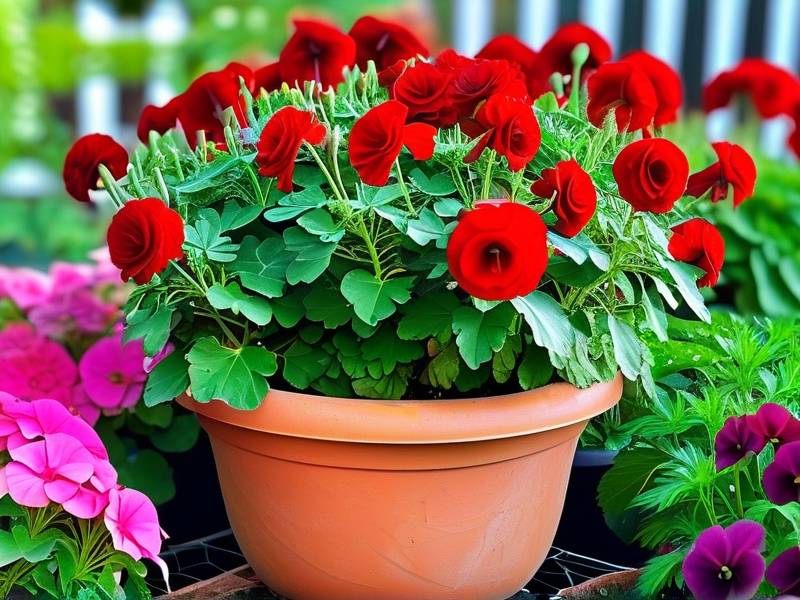
Let’s talk about the three biggest killers of upright geraniums first. If you avoid these, you’re already 80% ahead of most gardeners.
Newbie Killer #1: Overwatering
Honestly, this is the silent assassin. Most people, including myself back then, water on a schedule. Monday watering day? I did that. My geraniums sulked, turned yellow, and dropped leaves. The roots rotted because they sat in soggy soil. Upright geraniums are drought tolerant. They store water in their thick, succulent-like stems. They hate wet feet. I learned to stick my index finger two inches into the soil. If it comes out clean and dry, I water deeply. If it feels cool or damp, I close the watering can. Simple as that.
Newbie Killer #2: Wrong Light Placement
I thought "full sun" meant bright indoor light near a window. Wrong. My first geraniums grew tall, leggy, and pale. They produced huge leaves but zero flowers. That’s the classic symptom of light starvation. These plants need genuine, harsh, direct sunlight for at least 6 hours daily. I moved mine to a south-facing balcony with zero shade. Within two weeks, the stems stiffened, the foliage turned deep green, and flower clusters exploded. Don't coddle them. If your spot doesn't get direct sun, your blooms will be a myth.
Newbie Killer #3: The Wrong Pot
The first pot I used was a massive decorative ceramic jar. It was gorgeous. It also held way too much wet soil around the roots. The plant had no idea when to dry out because the periphery stayed soggy. Upright geraniums actually flower better when slightly root-bound. I now use a terracotta pot that is snug. The pot should be about one inch larger in diameter than the root ball. And it must have a drainage hole. No exceptions. I glued a saucer underneath, but I always empty the saucer after rain or watering. Standing water in the saucer defeats the entire purpose.
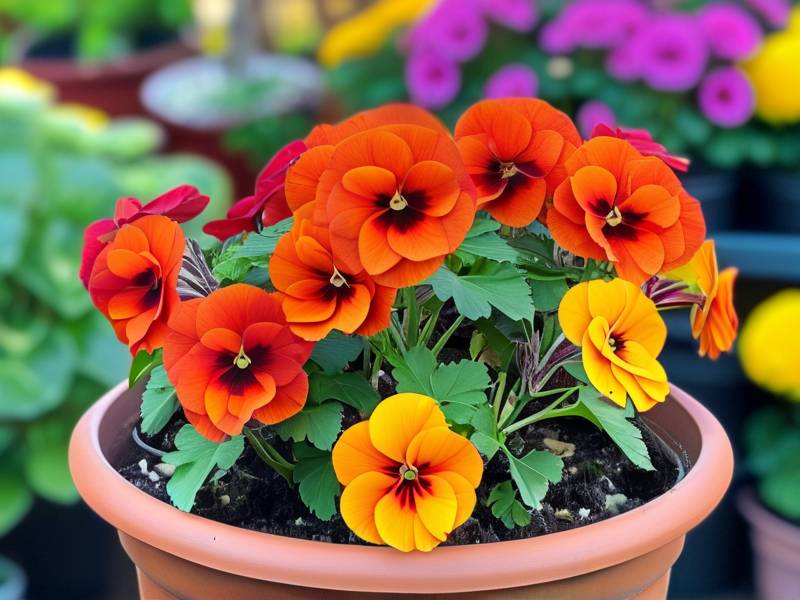
My Full Step-by-Step System for Nonstop Blooms
This is the exact routine I follow every day now. It’s simple, but the details matter.
Step 1: Choose the Sunniest Spot You Have
I live in a hot climate where summer hits 38°C. My upright geraniums thrive on a west-facing wall. They get blasted with afternoon sun. The leaves might get slightly warm, but they never burn because the plant is hydrated at the root. If you have a spot that gets sun from morning until 2 PM, even better. Full sun in the plant world means at least 6 hours of unobstructed, direct sunlight. I placed mine on a metal shelf that reflects a bit of extra heat onto the pots. The plants absolutely love it.
Step 2: Water Deeply but Rarely
Earlier, I mentioned checking the soil. Here’s the exact method I use now. I water thoroughly until water runs out of the bottom drainage hole. Then I completely ignore the plant for 5 to 7 days. In extreme heat waves, maybe 4 days. But I always check the soil moisture first. I also check the weight of the pot. A dry terracotta pot feels feather-light. A wet pot feels heavy. This weight trick is foolproof for me. I was watering every two days before. Now I’m down to once a week, but I water a lot more when I do.
Step 3: Feed for Flowers, Not Leaves
I use a 10-20-10 liquid fertilizer, high in phosphorus (the middle number). I feed every second watering. Never feed a dry plant. I always water plain first, then about an hour later, apply the fertilizer solution to moist soil. This prevents root burn. I tried a high-nitrogen fertilizer in the beginning, thinking "more food = more growth." That just gave me giant leaves and zero flowers. Switch to a bloom booster. You’ll see the difference in 10 days.
Step 4: Deadheading Is Not Optional
If you want continuous blooms, you must remove spent flower stalks. I used to leave them, thinking they'd re-bloom. They did, but poorly. The plant wastes energy making seeds. Once a flower cluster finishes, I snap off the entire stem down to its base at the main stem. It takes me 5 seconds. Within a week, two new flower buds form at the leaf axils below the cut. I deadhead every Saturday morning. It’s my favorite ritual now.
My 2-Week Real Observation Log
Here’s exactly what I witnessed with a new "Calliope Dark Red" hybrid upright geranium last month. I document this partially to help you, but also to show you the timeline of recovery and bloom.
Day 1: I repotted a nursery plant into a snug 8-inch terracotta pot. The roots filled the old 4-inch plug perfectly. I watered it deeply and placed it on the west shelf.
Day 3: The top inch of soil felt dry. I checked the weight. Still sort of heavy. I left it alone. The leaves looked exactly the same, no drooping.
Day 5: Soil completely dry. Leaves still firm and upright. I watered again, maybe 500ml, until runoff.
Day 7: I noticed new tiny green growth at the base of the flower stalks. No visible change in bloom count, but the foliage looked glossier.
Day 9: The first large bud cracks open. The color is intense. The stems are holding the flower cluster high above the leaves, not drooping.
Day 14: Full flowering state. I counted 14 open clusters and 8 more buds forming. The plant gained about 4 inches in height. It looks like a ball of flowers. I didn't move it, didn't overwater, just kept the sun coming.
The Mistakes I Made and How I Fixed Them
Let’s go deeper into the ugly side. I lost plants so you don't have to.
My Overwatering Catastrophe
I had a beautiful white standard geranium. I watered it whenever I thought "the soil looks dry." The problem was, the surface was dry but the bottom was swampy. Within 10 days, the lower leaves turned yellow and felt mushy. The roots were slimy brown. I tried to dry it out by moving it into shade, but it was too late. The stems started rotting at the base. I learned to never assume based on the surface. That is a beginner trap. I now use a chopstick stuck into the soil. If it comes out with dark wet soil stuck to it, I wait two more days.
The Leggy, Flowerless Disaster
My second attempt was a variety called 'Maverick White.' I placed it on my north-facing kitchen window sill. It was bright, sure. But no direct sun touched those leaves. Two weeks of this, and the stems stretched out long and weak, bending toward the glass. The plant looked like it was begging for light. I cut it back hard, moved it outside to the sunniest patio slab, and within three weeks, it grew back compact and covered in buds. The lesson is brutal: no direct sun, no flowers. Full stop.
The Over-Fertilizing Burn
I used to think a little more fertilizer would make super blooms. I used a 20-20-20 balanced feed twice a week. The leaf edges turned brown and crispy, and the tips curled inward. That’s salt burn. I felt sick seeing those beautiful leaves scorch. I flushed the soil thoroughly by running water through it for five minutes, let it drain completely, and skipped feeding for a month. The plant slowly recovered. Now I use half the recommended dose. Less is more with these tough plants.
How to Water Correctly – The Exact Method
When you water, water the soil, not the leaves. Wet leaves sitting on a warm night invite fungal diseases and rust. I use a narrow-spout watering can. I pour slowly around the stem base, covering the entire root zone. I stop when I see water escape the drainage hole. Then I wait 5 minutes, and I empty the saucer if it has collected water. Never let the pot sit in a puddle. That is how you recreate the swamp effect even with proper drainage. I also keep them away from my lawn sprinkler system. The jet spray they provide is too harsh and splashes soil onto the leaves.
Why Drought Tolerance Matters for You
Here’s the cool thing about upright geraniums. They have thick, waxy leaves that reduce water loss. This is why they survive neglect. This drought tolerance means they forgive you if you skip a watering. But it also means they resent you for constant moisture. I switched to a gritty, fast-draining soil mix. My homemade mix is 50% good quality general potting soil, 30% perlite, and 20% coarse sand. This mix dries out quickly and prevents the roots from staying wet. Store-bought "potting mix" alone can hold too much water for geraniums. I promise, the drainage mix is the secret to long life.
Containers and Overwintering – A Quick Note
I grow mine in terracotta because it is porous. It pulls moisture out of the soil via evaporation, which adds an extra layer of safety against overwatering. If you use a plastic pot, you must water even less frequently. Plastic retains moisture. People often ask me about overwintering. I bring mine indoors before the first frost. I cut them back by one-third. I place them in a cool, bright room (10-15°C). I water maybe once a month during this dormant period. They look scrappy, but the stems stay alive. In spring, I repot them, start regular watering, and they explode back to life. It feels like a miracle every time.
Expert Backing for My Methods
I’m not making this advice up. The Royal Horticultural Society states that pelargoniums prefer well-drained, moderately fertile soil and need full sun to flower well. They emphasize avoiding winter wetness. That matches my experience exactly. The American Horticultural Society also highlights their low water requirements once established. They’re rated highly for heat tolerance in their plant heat-zone system. These plants are winners in zone 9-11, but as annuals everyone can grow them in pots. My zone is 8b, but I treat them as tender perennials. Their advice aligns with my real-world results, so I trust it deeply.
Practical Routine that Keeps Them Blooming
Every single week, I do the following. On Monday, I check the soil moisture. On Thursday, I check again. I only water once a week unless it's a heatwave. On Saturday, I deadhead and give a weak dose of bloom fertilizer. That’s literally it. The rest of the time, I just admire them. They want to be left alone in the sun. They don't need misting. They don't need constant fussing. They need to dry out and feel the heat.
FAQs I Get All the Time
1. Why are my upright geranium leaves turning yellow? Usually it’s overwatering. Check the drainage hole. If the soil is soggy, stop watering immediately. Remove the plant, check for rotten roots (brown and mushy). Trim the dead roots, repot in dry, fresh soil, and wait a week before watering again. Sometimes yellow leaves are a nitrogen deficiency, but 80% of the time, it’s too much water. Let it dry out.
2. How can I revive a geranium with leggy stems? This is a light problem. Cut the plant back hard, leaving about 3-4 inches of stem above the soil. Move it to a spot with at least 6 hours of direct sun. Water only when dry. Within 3 weeks, you'll see new compact growth from the base. I did this with a plant that was stretching toward a window. It became a bushy, blooming monster after sun exposure.
3. Will they still bloom if I use slow-release fertilizers? They can, but slow-release fertilizers often have a balanced or high nitrogen formulation for all-purpose use. This pushes leaves over flowers. I use a liquid bloom booster instead. It gives immediate phosphorus to the root zone. If you insist on slow-release, look for a "Bloom Formula" with a high middle number, like 5-20-5. But honestly, liquid feeding is easier to control and stop if the plant shows salt burn.