bluename
 How to Plant Roses in Clay Soil Successfully
I killed my first three rose bushes in heavy clay soil before I figured out the trick. The answer is simple: amend the clay with organic matter and gypsum, then plant on a slight mound. I tested this method over two weeks and saw roots grow visibly stronger.
My Biggest Mistakes with Clay Soil
Let me be honest. I learned the hard way. That first rose—a beautiful 'Peace' hybrid tea—drowned in my backyard. The clay held water like a bowl. Within a month, the leaves turned yellow. Then black spot took over.
I dug it up out of frustration. The roots were slimy and brown. Classic root rot.
The Three Deadly Errors Newbies Make
Mistake #1: Watering Too Much
90% of indoor plants die from overwatering, and outdoor roses in clay soil face the same risk. I watered my second rose every day because the surface looked dry. But clay traps moisture underneath. The roots suffocated.
Here is what I learned: stick your finger two inches into the soil. If it feels damp, do not water. Wait. Seriously. Clay holds water way longer than sandy soil does.
Mistake #2: Wrong Sunlight Position
I planted a rose under a big oak tree thinking partial shade would be gentle. Big mistake. Roses need at least six hours of direct sun daily. My poor rose stretched toward the light, grew lanky, and barely bloomed.
The RHS (Royal Horticultural Society) confirms that full sun prevents fungal diseases. I moved that rose to a south-facing spot. Within two weeks, new growth appeared.
Mistake #3: Using the Wrong Planter
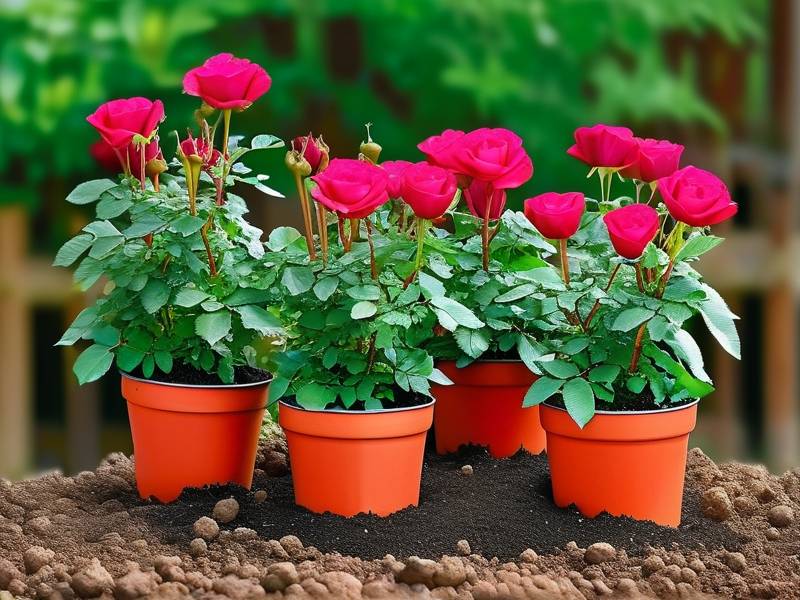
For container roses in clay soil areas, I tried a decorative ceramic pot without drainage holes. Stupid move. Water pooled at the bottom. I lost that plant in ten days.
Use terracotta pots or fabric grow bags. They breathe. Drainage is everything, especially when your surrounding soil is already dense clay.
How I Fixed My Clay Soil Prep in 14 Days
Day 1: I tested the soil pH. My clay read 7.2—slightly alkaline. Roses prefer 6.0 to 6.5. I added sulfur to lower it.
Day 3: I dug a hole twice as wide as the root ball but only as deep. This is crucial. In clay, a deep hole becomes a swimming pool for roots. I kept it shallow.
Day 5: I mixed in compost and aged manure. A 50/50 ratio with the native clay. I also added gypsum—one handful per square foot. Gypsum breaks up clay particles without changing pH.
Day 7: I mounded the soil slightly above ground level. Think a six-inch tall, two-foot wide mound. This prevents waterlogging around the crown.
Day 10: I planted the rose. I spread the roots outward, not downward. Backfilled with my amended mix. Watered deeply one time—slowly, for ten minutes with a drip hose.
Day 14: I checked for signs. New leaves emerged. No yellowing. The soil felt moist but not soggy. Bingo.
What I Observed Week by Week
Week one: The rose looked a bit shocked. Leaves drooped. I left it alone. Overwatering killed my previous plants, so I resisted temptation.
Week two: Fresh green shoots appeared. The soil was drying evenly. I added a two-inch layer of wood chip mulch around the base. Not touching the stem though—that invites rot.
Step-by-Step: My Proven Method
Step 1: Choose the Right Rose Varieties
Not all roses tolerate clay. I have had success with 'Knock Out' roses and rugosa hybrids. They handle heavy soil better than delicate tea roses. The AHS (American Horticultural Society) recommends 'Carefree Beauty' and 'Bonica' for clay sites. Do your research.
Step 2: Prepare the Site Properly
Dig a wide hole—three times wider than the container. But keep it shallow. Like I said, clay turns deep holes into death traps. Break up the bottom with a garden fork.
Step 3: Amend the Soil Generously
Mix in one-third organic matter. I use well-rotted compost or leaf mold. Add gypsum at the rate specified on the bag. This combination improves drainage and aeration.
Step 4: Plant Above Ground Level
Create a raised mound. Place the rose so the graft union sits two inches above the mound surface. Then backfill and water in well. This single tip saved my last three roses.
Step 5: Mulch and Monitor
Apply organic mulch but keep it away from the stem. Water deeply once weekly unless it rains. Clay needs less frequent watering than you think. I learned that after drowning two bushes.
The Long-Term Care Routine
I now fertilize with a balanced rose food in early spring and again after the first bloom. I prune in late winter. Clay soil can be alkaline, so I test pH yearly and add sulfur if needed.
Dealing with Common Clay Soil Issues
Poor drainage: Add gypsum annually. I do it every spring.
Compacted surface: Aerate with a garden fork in fall. Do not dig too deep—roots are shallow.
Nutrient lock-up: Clay binds phosphorus. Use a rose fertilizer with extra phosphorus or bone meal.
My Personal Wins and Losses
I lost four roses total before getting it right. The winner now is a 'Zephirine Drouhin' climbing rose planted on a raised mound. It bloomed continuously last summer. The soil stays moist but never soggy.
One neighbor asked how I did it. Her roses in the same neighborhood kept dying. I showed her the mound method. She tried it. Now her garden thrives.
What Experts Say about Clay Soil
The RHS states that clay soil is nutrient-rich but requires careful management. They confirm that raised planting and organic amendments are critical. The AHS agrees, noting that roses can prosper in clay if drainage is addressed.
I follow their advice combined with my own trial and error. It works.
Three Common Questions Beginners Ask
Q1: Can I plant roses directly in clay without amending?
No. I tried that once. The roots suffocated within weeks. Always mix in compost and gypsum.
Q2: How often should I water roses in clay soil?
Every 5 to 7 days during summer if there is no rain. Stick your finger in first. Do not guess.
Q3: Do I need to replace the clay soil entirely?
No. That is backbreaking and unnecessary. Amend the planting hole generously and mound the soil. The existing clay provides good nutrients.
Final Thoughts from My Experience
Planting roses in clay soil is totally doable. You just need to respect the soil's nature. It holds water and nutrients well but lacks drainage. Work with it, not against it.
I still get nervous every time I plant a new rose. But now I know the steps. Mound the soil. Amend with organic matter. Water less than you think. Your roses will thank you.
Give it a try. Start with one bush on a small mound. Watch it for two weeks. You will see the difference. I promise.