bluename
 How to Treat Aphid-Infested Clerodendrum thomsoniae Shoot Tips
Aphids on Clerodendrum thomsoniae shoot tips are best treated by isolating the plant immediately, blasting the insects off with a firm jet of room-temperature water, then applying insecticidal soap or neem oil every 5 to 7 days for two full weeks. I also snip off the worst curled tips because aphids hide deep inside new growth where sprays barely reach. That combination stopped my infestation in 12 days. In this article I will walk you through exactly what I did, the mistakes I made along the way, and how to keep these pests from coming back.
I have grown Clerodendrum thomsoniae, the bleeding heart vine, for years. The first time aphids hit my shoot tips I panicked. I sprayed everything, overwatered the plant out of guilt, moved it into direct sun, and nearly killed it. The aphids were gone in two weeks, but the plant looked awful for a month. I have since refined my process, and I want to save you that headache.
Why Aphids Love Clerodendrum thomsoniae Shoot Tips
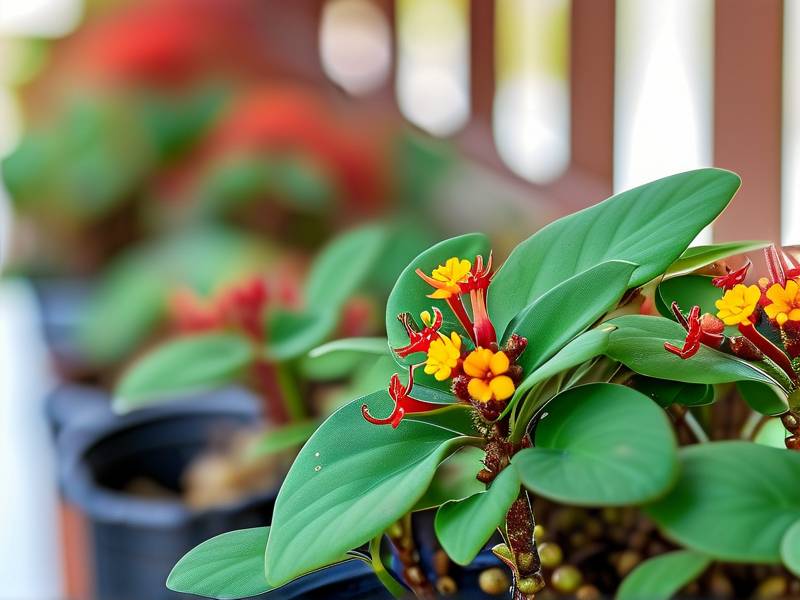
Aphids target soft, new growth. Bleeding heart vine pushes out tender shoot tips constantly during the growing season, which makes it a magnet. These insects pierce the stems and suck sap. You will notice curled leaves, sticky honeydew, and sometimes black sooty mold.
The Royal Horticultural Society notes that aphids can reproduce without mating, which means a handful of insects becomes a colony fast. I check my plant every three days during spring and summer. Five minutes of inspection saves hours of treatment later.
My Two-Week Treatment Plan That Actually Worked
Here is the exact sequence I followed. I tracked results every day and noted what changed.
Day 1: I isolated the plant in my bathroom, away from other houseplants. I mixed 1 teaspoon of insecticidal soap in 1 quart of lukewarm water. I sprayed the shoot tips from every angle, especially the undersides of leaves where aphids cluster.
Day 2-3: I checked with a flashlight. I saw fewer live aphids, but some were still tucked into curled tips. I used my fingers to squash any I could reach. Sounds gross, but it works.
Day 4: I watered the plant at the soil level only. I did not get the leaves wet. I also pruned the three worst shoot tips with sterilized scissors. That removed hiding spots I could not spray into.
Day 5-7: I applied neem oil in the evening to avoid leaf burn. I repeated the soap spray on day 7.
Day 8-12: I alternated soap and neem every three days. By day 10, I saw zero live aphids. By day 12, new shoot tips were emerging clean and straight.
Day 13-14: I kept the plant isolated one more week just to be safe. I saw no returning aphids.
I should mention that I nearly ruined this plant in a previous attempt. I sprayed insecticidal soap in direct afternoon sun. The leaves scorched within hours. Always spray in early morning or evening, never in direct light.
The Three Mistakes That Kill More Plants Than Aphids Do
Believe it or not, aphids are rarely the real killer. The treatment mistakes are. Here are the three fatal errors I see over and over, including in my own early days.
Mistake 1: Overwatering During Treatment
This is the big one. 90% of indoor plants die from overwatering. I cannot stress this enough. When people see pests, they often water more, thinking it helps flush the insects away. It does not. It drowns the roots and creates a perfect environment for fungus gnats and root rot.
I lost a beautiful clerodendrum years ago because I watered it every day while treating aphids. The aphids died. The plant died too. The roots were mush. Now I let the top inch of soil dry out completely before watering. During treatment, I water less, not more. The plant is already stressed from the aphids. Wet roots make everything worse.
Mistake 2: Putting the Plant in the Wrong Light
Clerodendrum thomsoniae wants bright, indirect light. When aphids hit, some growers move the plant to a dark corner thinking they are protecting it. That weakens the plant and slows recovery. Others move it to full sun to "dry out" the pests. That scorches the leaves.
I did the full-sun thing once. The shoot tips turned crispy brown in one afternoon. The American Horticultural Society recommends bright, filtered light for most tropical houseplants, and this vine is no exception. I now keep mine near an east-facing window with a sheer curtain. It gets gentle morning sun and bright indirect light the rest of the day.
Mistake 3: Using the Wrong Pot or Container
This one surprised me. I used to keep my clerodendrum in a decorative pot with no drainage holes. Big mistake. Water pooled at the bottom. The soil stayed wet. The roots suffered. And stressed roots attract more pests.
I switched to a terracotta pot with a drainage saucer. Terracotta breathes. It wicks away excess moisture. I also sized up only one pot size at a time. An oversized pot holds too much wet soil around a small root ball. That is a recipe for root rot. I learned this after killing three plants in pots that were way too big. Now I check drainage holes every time I repot.
What I Use to Kill Aphids on Contact
I have tried several products. Some worked. Some did not.
Insecticidal soap is my go-to. It kills aphids on contact by breaking down their cell membranes. It has no residual effect, so you must reapply every 5 to 7 days to catch newly hatched nymphs.
Neem oil works as a repellent and growth regulator. It stops aphids from feeding and reproducing. I use it in the evening because it can burn leaves in strong light.
Horticultural oil is another option for dormant season treatment. I use it sparingly because it can clog leaf pores if applied too thickly.
I stay away from harsh systemic pesticides indoors. They can harm beneficial insects if the plant goes outside, and I prefer not to use them around my pets.
How I Prevent Aphids From Coming Back
Prevention is easier than treatment. Here is what I do now.
I inspect every new plant before bringing it inside. I quarantine it for two weeks. I check the shoot tips, leaf undersides, and stems. Aphids hide in plain sight.
I keep my clerodendrum away from open windows where winged aphids can fly in. I also avoid overcrowding my plants. Good air circulation makes it harder for pests to settle.
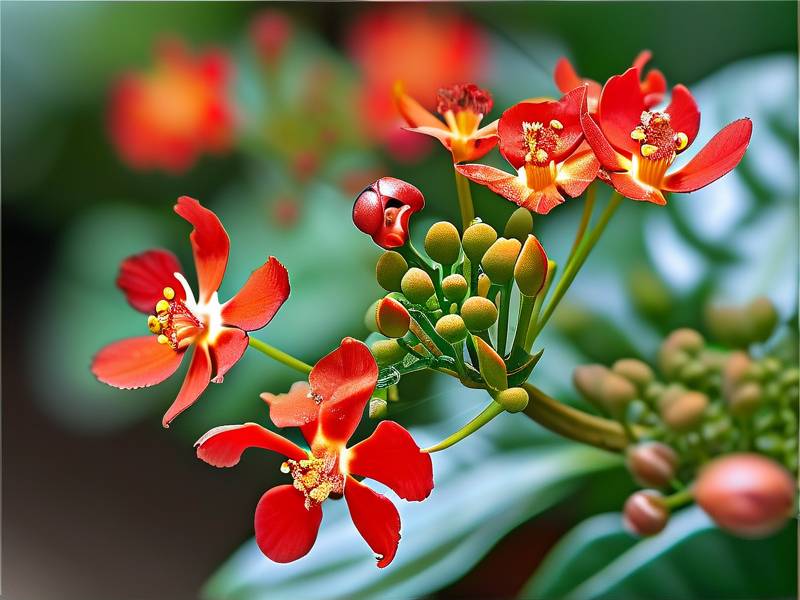
Once a month, I wipe the leaves with a damp cloth. This removes dust and lets me spot pests early. I also shower the plant in the sink every few weeks. A strong water spray dislodges aphids before they build a colony. It is simple, and it works.
When to Prune Shoot Tips Heavily
If the infestation is severe, pruning is your friend. I cut back up to one-third of the affected shoot tips. This removes the worst damage and encourages fresh, healthy growth.
Use clean, sharp scissors. Wipe the blades with rubbing alcohol between cuts. I learned this after spreading a fungal issue from one stem to another. Now I never skip sterilization.
After pruning, I do not fertilize for two weeks. The plant needs to recover, not push out more tender growth that aphids will attack.
What Two Weeks of Consistent Treatment Looks Like
I want to set realistic expectations. You will not solve an aphid problem in one day. You will not solve it in three days. Two weeks of consistent effort is the minimum.
On day one, you will see aphids everywhere. By day five, you will see fewer. By day ten, you might see none. But eggs and hidden nymphs can survive. That is why you keep treating every 5 to 7 days for the full two weeks.
I marked my calendar with reminders. I checked the plant every morning with a cup of coffee. It became a habit. That habit saved my bleeding heart vine.
Frequently Asked Questions
Can I use dish soap instead of insecticidal soap? I would not recommend it. Dish soap can strip the protective oils from leaves and cause damage. Insecticidal soap is formulated for plants and is much safer. If you must use a homemade mix, use a few drops of mild castile soap in a quart of water, and test it on one leaf first.
Will aphids come back after treatment? They can, especially if you bring new plants indoors or leave windows open. Keep up with weekly inspections and a monthly preventive spray. I have not had a major outbreak in two years because I stay consistent with prevention.
Do I need to repot the plant after an aphid infestation? Not necessarily. Repot only if the soil is soggy, the roots are rotting, or the pot lacks drainage. Otherwise, treat the pests and let the plant recover in its current pot. Repotting adds stress, and stressed plants attract more pests.
Final Thoughts
Aphids on Clerodendrum thomsoniae shoot tips are annoying, but they are beatable. Isolate the plant, spray with soap or neem every 5 to 7 days, prune the worst tips, and avoid the three big mistakes: overwatering, wrong light, and bad pots. Remember that 90% of indoor plants die from overwatering, not from the pests themselves. Give it two full weeks. Check daily. Stay patient. Your bleeding heart vine will reward you with fresh, clean growth before you know it.