bluename
 How to Rescue a Dying Adiantum Pedatum Fern from Crown Rot
Your Adiantum pedatum fern is collapsing, and the mushy brown crown tells you it is crown rot. The fix is brutal but simple: cut away every rotten part, repot into fresh airy mix in a small pot with drainage, water only when the top inch is dry, and keep it in bright indirect light. I have rescued three maidenhair ferns this way, and most show new fiddleheads within 14 days if you catch it early. The hardest part is acting fast instead of waiting one more day.
I still remember my first maidenhair fern. It was gorgeous for about six weeks, then it turned into a brown heap overnight, or so it seemed. I had been watering it every morning like clockwork because the soil looked dry on top. That was my mistake. The crown was sitting in a swamp.
That was the third fern I killed before I finally understood what was happening underground. Crown rot on Adiantum pedatum is almost always a water problem, not a disease you catch from nowhere.
Why Your Maidenhair Fern Is Rotting at the Crown
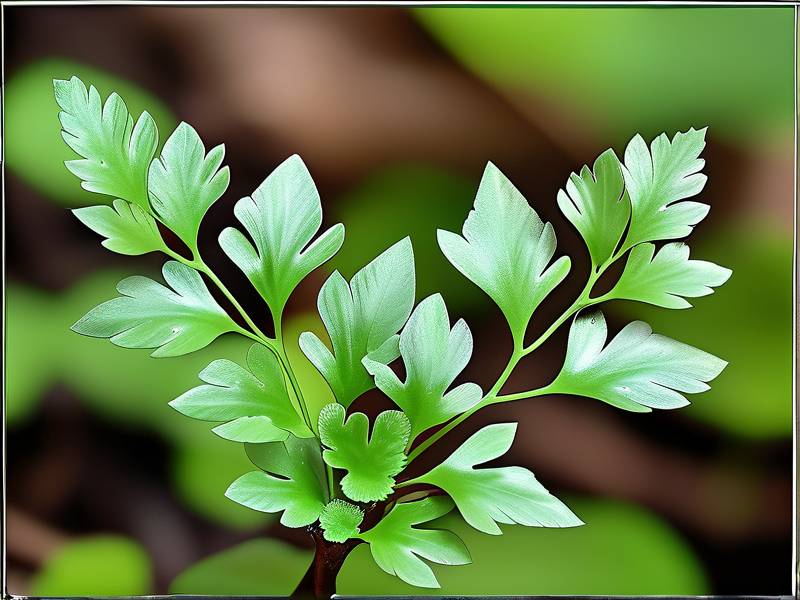
Adiantum pedatum, the northern maidenhair fern, grows on forest floors in rich, crumbly leaf litter. It loves moisture, but it hates sitting in soggy, compacted soil.
The crown is that tough little knot where all the stems meet the roots. When that knot stays wet for days, fungi and bacteria move in. The tissue goes soft, dark, and smells slightly sour.
I have pulled ferns out of pots where the crown was black mush and the roots were still white and healthy. That tells you the rot started above the roots, right at the surface.
Here is the stat that changed how I water everything: 90% of indoor plants die from overwatering. Not underwatering. Overwatering. I read that years ago and ignored it, and I paid for that stubbornness with more dead ferns than I want to admit.
The Three Mistakes That Kill Maidenhair Ferns
Almost every crown rot case I have seen traces back to one of these three.
1. Watering on a Schedule Instead of Checking the Soil
This was my biggest sin. I watered every two days because a blog told me to. The top of the soil felt dry, so I assumed the whole pot was dry.
It was not. Two inches down, it was wet and heavy. I was drowning the crown twice a week.
The fix: stick your finger in up to the first knuckle. If it feels cool and damp, wait. If it feels dry, water. Simple as that. A cheap moisture meter also works if you are the type who second-guesses yourself.
2. Putting It in Direct Sun or Deep Shade
Light matters more than people think for rot recovery. A fern in deep shade stays wet longer because it is not actively growing and using water.
A fern in harsh afternoon sun gets stressed, and stressed plants rot faster.
You want bright, indirect light. A few feet back from an east or north window is ideal. I have mine near a north-facing window with a sheer curtain, and it is thriving.
3. Using a Pot With No Drainage or One That Is Too Big
I once planted a maidenhair in a beautiful ceramic pot with no holes. It looked great for a month. Then the crown rotted.
No drainage means water pools at the bottom and wicks back up. The crown sits in that wet zone.

Too-big pots are just as bad. The roots cannot drink all that soil, so it stays wet for weeks. A pot only one or two inches wider than the root ball is perfect.
How I Actually Rescued My Fern: A Step-by-Step
I did this routine on a fern that was about 80% dead. Two weeks later, I had four new fiddleheads. Here is exactly what I did.
Step 1: Pull It Out and Inspect the Crown
Take the fern out of the pot. Shake off the old soil gently. Do not rinse it yet.
Look at the crown. Healthy crown is firm and light brown. Rotting crown is dark, soft, and squishy. You will know it when you feel it.
Step 2: Cut Away Everything Rotten
Use clean scissors or a knife. Cut off every mushy stem and any soft, brown crown tissue.
Do not be timid. If you leave rot behind, it spreads. I cut one of my ferns down to almost nothing, just a tiny nub of healthy crown. It came back.
Step 3: Treat the Cut Surfaces
I dust the cuts with cinnamon. Yes, plain kitchen cinnamon. It has mild antifungal properties, and it is what my grandmother used on her houseplants.
If you want something stronger, a diluted hydrogen peroxide spray works too. I have used both and seen similar results.
Step 4: Repot in Fresh, Airy Mix
Throw away the old soil. It holds the fungus.
I mix my own: two parts peat or coco coir, one part perlite, one part fine bark or orchid mix. The point is drainage. Maidenhair roots want air around them.
Use a small pot with drainage holes. Terra cotta is great because it breathes and pulls moisture out of the soil.
Step 5: Water Once and Then Wait
Water thoroughly once so the soil settles. Then do not water again until the top inch is dry.
This is the part where people panic. The fern looks sad, so they water it more. Do not do that. The crown needs to dry out to heal.
Step 6: Keep Humidity High Without Wet Soil
Here is the trick I learned from the RHS guidance on fern care: raise humidity around the plant, not in the soil.
I set the pot on a tray of pebbles with water just below the pebble line. As it evaporates, humidity rises. The crown stays dry.
I also mist the air around the fern, not the crown itself. Mist on a rotting crown is a death sentence.
What I Saw Over Two Weeks
I checked my rescued fern every morning. Here is the timeline.
Day 1 to 3: Nothing. It looked worse, honestly. The remaining stems drooped and a couple turned brown. I left it alone.
Day 4 to 6: The soil surface finally dried out. No new growth yet, but no new rot either. I took that as a win.
Day 7: I spotted a tiny green curl pushing up from the crown. I actually yelled.
Day 10: Two more fiddleheads appeared. The old stems were still ugly, but the new growth was healthy and bright green.
Day 14: Four new fronds were unfurling. I trimmed off the last dead stems and the fern finally looked alive again.
The whole time, I only watered twice. Twice in two weeks. That felt wrong, but it was right.
Long-Term Care to Prevent Crown Rot From Coming Back
Once your fern recovers, you have to change your habits or it will happen again.
Water less than you think. I water my established maidenhair about once every five to seven days in summer and every ten days in winter. It depends on your home humidity and temperature.
Use the AHS advice on soil drainage as your baseline. Well-draining mix is not optional for ferns. It is the whole game.
Repot every one to two years in fresh mix. Old soil compacts and holds water.
Keep the crown slightly above the soil line when you pot it. I learned this the hard way. If the crown is buried, water sits on it.
Trim dead fronds regularly. They block airflow and hold moisture against the crown.
Common Questions I Get About Maidenhair Fern Rot
Can a fern with crown rot come back?
Yes, if the crown still has firm, healthy tissue. I have brought back ferns that looked completely dead. The key is cutting away all rot and drying out the crown. If the whole crown is mush, it is gone.
Should I use fungicide on crown rot?
I do not reach for fungicide first. Most crown rot is a watering problem, not a pathogen problem. Fix the water and the rot stops. If you want backup, cinnamon or diluted hydrogen peroxide works for mild cases.
How do I know if I am overwatering or underwatering?
Overwatered ferns have soft, dark, mushy stems and a rotting crown. Underwatered ferns have crispy, dry, brown fronds that snap when you bend them. The fixes are opposite, so check the crown before you do anything.
The truth is, rescuing an Adiantum pedatum from crown rot is less about fancy products and more about changing what you do every day. Cut the rot. Dry the crown. Water less. Give it bright, indirect light. Then wait, even when it looks hopeless. I have killed more ferns than I can count learning this, but the ones I saved taught me more than the ones I lost. Your fern can come back too. Just stop watering it for a bit and let the crown breathe.