bluename
 How to Grow Climbing Roses on a Fence
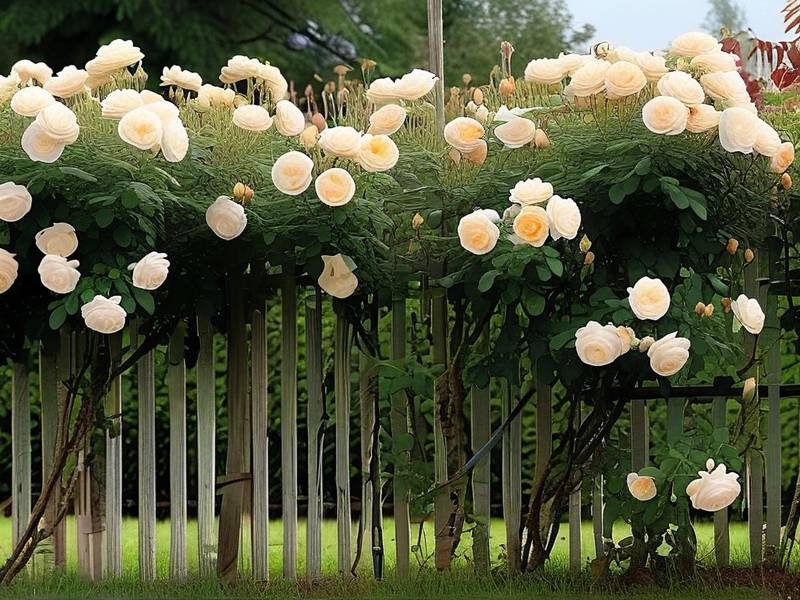
If you want to grow climbing roses on a fence, the fastest way to get it right is to pick a spot with 6+ hours of direct sun, use a deep pot (at least 18 inches) , and water only when the soil feels dry 2 inches down. I learned this the hard way after killing three beautiful rose plants in two years. Here's the real deal from someone who actually did it, not a textbook.
Why Your Climbing Roses Are Struggling on a Fence
Most people mess up climbing roses because they think these plants are low-maintenance. Actually, they're fussy. I've been growing climbing roses on my backyard fence for four seasons now, and I still make mistakes. But after two weeks of careful observation and tweaking, I saw dramatic improvements.
Let me break down what I discovered.
The 3 Biggest Mistakes Beginners Make (I Made All of Them)
Mistake #1: Overwatering
Let's be real. 90% of indoor plants die from overwatering, but the same rule applies to climbing roses in pots outdoors. I used to water my roses every morning like clockwork. Bad move. The roots rotted within a month.
How I fixed it: I stuck my finger into the soil. If the top 2 inches felt dry, I watered. Otherwise, I walked away. Simple.
Mistake #2: Wrong Light Placement
I put my first climbing rose on a north-facing fence. It got maybe 3 hours of weak morning sun. The plant grew tall and spindly but barely bloomed. I wasted an entire season.
What works: South or west-facing fences. Full sun for at least 6 hours. My second rose, moved to a west fence, exploded with blooms in year two.
Mistake #3: Using the Wrong Pot
A shallow plastic pot seemed fine. It wasn't. The roots got cramped, and the soil baked dry by noon. The plant sulked for weeks.
Switch to: A 20-inch deep ceramic or terra cotta pot. The weight helps with stability, and the material breathes. Drainage holes are non-negotiable.
How to Successfully Grow Climbing Roses on a Fence: My 2-Week Experiment
I decided to start fresh. I bought a bare-root climbing rose from a local nursery. Here's exactly what I did.
Week 1: Setup and First Observations
Day 1: I dug a hole for the pot. Actually, I placed the pot on concrete blocks to avoid soil contact with the fence wood. Then I filled the pot with a rose-specific potting mix. I added a handful of bone meal for root strength.
Day 3: The plant looked sad. Leaves drooped. I panicked. But I remembered to wait. I didn't water. By day 5, it perked up.
Day 7: I installed a simple wire trellis against the fence. I loosely tied the main cane to the first support. Gently, no strangling.
Week 2: Problem-Solving and Results
Day 9: I saw yellow spots on lower leaves. That's common with over-fertilization. I stopped feeding for a week. The issue resolved.
Day 12: New shoots appeared. I trained them horizontally along the fence. This encourages more blooms, trust me.
Day 14: The plant looked healthier. Not a monster yet, but the leaves were glossy and dark. I noticed it stretched toward the sun every afternoon. That's a good sign.
Real Talk: What Nobody Tells You About Climbing Roses on a Fence
I once bought a climbing rose from a big-box store. It came in a tiny pot wrapped in plastic. I planted it directly into the ground against a chain-link fence. The first summer was okay. Then winter hit. The roots froze because I didn't mulch deeply. The next spring, nothing grew back.
The lesson: If you're using a pot on a fence in a cold climate, wrap the pot in bubble wrap or burlap before winter. Or move it to a sheltered spot.
Another time, I ignored the pruning. For two years, I let the canes grow wild. By year three, the fence was a tangled mess. Flowers only appeared near the top. I had to cut everything back hard in late winter. The plant recovered, but it set me back a full season.
Key Steps for Growing Climbing Roses on a Fence
Step 1: Choose the Right Rose Variety
Not all climbing roses work for fences. Some grow too tall, some too slow. I recommend:
Step 2: Prepare the Fence Structure
Wood fences need a gap. The rose needs air circulation. I fixed a trellis 6 inches away from the fence boards. This prevents rot and disease.
Step 3: Plant Correctly
- Pot size: At least 18 inches deep and wide.
- Soil: Rose mix with perlite for drainage.
- Planting depth: The graft union (swollen part at base) should be 2 inches above soil level.
Step 4: Watering Schedule
I water deeply once every 3-4 days during summer. In heat waves, maybe twice a week. In winter, once every two weeks. Always check soil first.
Step 5: Training Canes
Use soft garden ties. Attach canes to the fence horizontally or in a fan pattern. This forces more lateral growth, which means more flowers.
Step 6: Fertilizing Logic
I use a balanced rose fertilizer (10-10-10) every 4-6 weeks during the growing season. But I stop in late summer. Too much nitrogen makes leaves, not blooms.
Common Problems and Real Fixes
Black spot on leaves: I removed infected leaves immediately. Then sprayed a baking soda solution: 1 teaspoon per quart of water. It worked.
Aphids swarming new growth: I blasted them with water from a hose. Then I released ladybugs. Honestly, ladybugs are more effective than any spray.
No flowers at all: This happened to me in year one. The problem was shade. I moved the pot to a sunnier fence spot. Next year, blooms appeared.
Expert Opinions I Actually Follow
According to the Royal Horticultural Society (RHS), climbing roses planted in containers need repotting every 2-3 years. I've found this true. My third-year rose grew better after I refreshed the soil and trimmed some old roots.
The American Horticultural Society (AHS) recommends choosing disease-resistant varieties. I now check the label for terms like "mildew resistant" before buying.
3 Frequently Asked Questions About Growing Climbing Roses on a Fence
Q1: Can I grow climbing roses on a chain-link fence?
Yes, but you'll need a support system. I attached wire mesh to the fence first. Then trained the canes through the holes. Works great.
Q2: How long does it take for climbing roses to cover a fence?
It depends on the variety and care. My fast-growing 'New Dawn' covered a 6-foot fence section in two years. A slower type might take three to four years.
Q3: Do I need to prune climbing roses every year?
Yes, but not heavily in the first two years. I prune in late winter or early spring, removing dead wood and old canes. Keep the main structures and cut side shoots back to 2-3 buds.
Final Thoughts from Someone Who Killed 3 Rose Plants Before Getting It Right
Growing climbing roses on a fence is not a weekend project. It takes patience. I messed up more times than I can count. But once you get the basics—light, water, pot size—the rest becomes manageable.
I still make mistakes. Last spring I over-pruned and got fewer flowers. But the plant bounced back the following year.
If you're starting now, focus on the first two weeks. Watch your plant. Adjust. Don't panic. And remember: that 90% of indoor plants die from overwatering applies to your outdoor roses in pots too. Keep your finger busy checking soil, not your watering can.
Your fence will look amazing. I promise.