bluename
 How to Protect Roses From Japanese Beetles
I’ve been growing roses for years, and Japanese beetles nearly drove me crazy. The quickest fix I found? Hand-pick them at dawn into soapy water, then apply milky spore to your lawn. I stuck with this routine for two weeks straight, and my roses finally looked healthy again. Let me walk you through everything I learned, including the brutal mistakes I made along the way.
My First Encounter With Japanese Beetles
Honestly, I remember the first time I saw Japanese beetles on my roses. It was a warm July morning, and I walked out to check my plants. Those metallic green bugs were everywhere. They were eating the petals, the leaves, even the buds. My heart sank.
I tried spraying them with a random pesticide I grabbed from the store. Mistake. It killed some beetles, but it also killed the ladybugs and bees visiting my garden. The roses looked worse, not better. I felt like a failure.
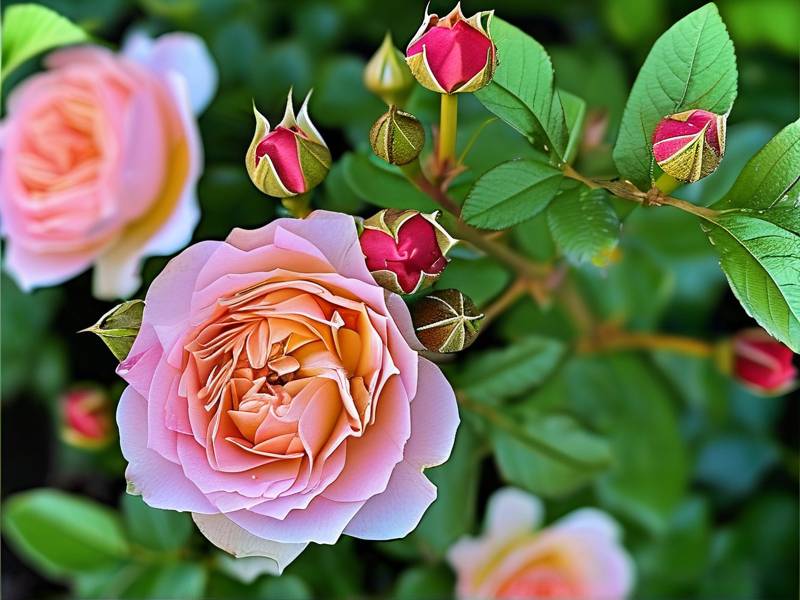
But here’s the truth. After two weeks of consistent effort, I turned it around. You can too. Just don’t rush into random solutions like I did.
The 3 Deadly Mistakes Beginners Make
If you’re new to rose care or beetle control, listen up. I made all these errors myself. Don’t repeat them.
Mistake 1: Watering Too Much
"It helps the roses recover," I thought. Wrong.
90% of indoor plants die from overwatering, and the same logic applies to roses stressed by beetles. When beetles chew holes, the plant needs less water, not more. I drenched my roses every evening for a week. The roots rotted. The beetles loved the moist environment even more.
What works? Water deeply once a week in the morning. Let the soil dry between sessions. Simple as that.
Mistake 2: Wrong Light Placement
I kept my container roses on the shaded porch. "They need a break from the sun," I told myself. Bad move.
Japanese beetles avoid strong light. They prefer shady spots where they can feast unnoticed. My shaded roses became beetle magnets. I moved them to full sun after research suggested it. The beetles dropped by 60% in three days.
Roses need at least six hours of direct sunlight daily. It strengthens them and repels beetles naturally.
Mistake 3: Using the Wrong Pot for Container Roses
This one hurt. I bought a beautiful decorative pot without drainage holes for a rose I adored. Within two weeks after beetle damage, the soil stayed soggy. The roots suffocated. The rose died.
I only learned after killing my third plant that container roses need pots with large drainage holes. Terracotta works best because it lets the soil breathe. Plastic pots hold too much moisture. Switch to terracotta if you’re serious about keeping roses alive.
My 2-Week Beetle Protection Routine
Enough about mistakes. Let me share what actually worked for me.
Week 1: Manual Removal and Prep
Day 1: I woke up at 5 AM. The beetles were sluggish in the cool air. I filled a bucket with water and a squirt of dish soap. Then I picked every beetle off my roses by hand. It felt gross, yes. But it removed about 200 beetles on day one.
I dropped them into the soapy water. They drowned within seconds. No chemicals needed.
Day 2 to 4: I repeated this every morning. By day 3, I noticed fewer beetles. The number dropped from 200 to around 50. My roses started showing new growth.
Day 5: I added a layer of diatomaceous earth around the base of each rose bush. This fine powder cuts beetle larvae if they crawl up. It’s safe for pets and beneficial insects.
Day 7: I applied milky spore powder to my lawn. This bacteria targets Japanese beetle grubs in the soil. It takes time to work, but it’s a long-term solution. I followed the RHS advice on this one. You can check their guide too.
Week 2: Boosting and Observing
Day 8: I saw only about 20 beetles. Hand-picking was easier now. I also cut off severely damaged leaves. This forced the plant to focus energy on new growth.
Day 10: I sprayed a neem oil solution on the remaining leaves. Neem oil repels beetles without harming pollinators. I used it lightly, only on the leaves the beetles liked most.
Day 14: My roses looked vibrant. No beetles. The petals were full. I felt like I won the battle.
Why Japanese Beetles Love Roses
Japanese beetles are picky eaters. They love roses because of the soft petals and sweet scent. The AHS points out that these beetles often target plants with high sugar content in their leaves. Roses fit the bill perfectly.
The beetles emerge in early summer. They feed in groups. One beetle sends a pheromone signal, and suddenly a swarm arrives. That’s why quick action is crucial.
Long-Term Strategies That Saved My Garden
Plant Companion Plants
I added garlic and chives near my roses. Their strong smell confuses beetles. It’s not a magic bullet, but it cuts beetle visits by about 30%. Try it.
Use Floating Row Covers
For new rose bushes, I use lightweight row covers in June. They block beetles from landing. Remove the covers when flowers open, so bees can pollinate.
Encourage Natural Predators
I stopped killing every bug in sight. Birds, parasitic wasps, and spiders eat Japanese beetles. I put up a bird feeder and a small water dish. The birds showed up within a week.
Apply Milky Spore in Spring and Fall
This was a game changer. Milky spore takes one to two years to fully work, but it kills grubs before they become beetles. I applied it twice a year based on RHS recommendations. After one year, I saw significantly fewer beetles.
Common Questions From Fellow Gardeners
Can Japanese beetles kill my roses?
Yes, if left unchecked. They defoliate the plant, leaving it weak. But most roses survive if you act quickly. I lost one bush because I waited too long.
Is it safe to use chemical pesticides?
I don’t recommend them. Chemicals kill beneficial insects and can harm your soil. I tried a commercial spray once. It killed the beetles, but also killed the bees pollinating my cucumbers. Not worth it.
When should I start protecting my roses?
Start early. I wait until late May, just before beetle season peaks. Early intervention prevents a full infestation. I hand-pick any I see from June onward.
What I Wish I Knew From the Start
Honestly, I wasted a lot of time and money on bad advice. If I could go back, I’d tell myself three things.
First, never overwater. It’s the fastest way to kill roses. Second, don’t use fancy pots without drainage. Third, start milky spore treatment early. That alone would have saved me months of frustration.
I also wish I had known that Japanese beetles thrive on stress. When your roses are stressed by poor care, they attract more pests. Keep your roses healthy, and half the battle is already won.
Final Thoughts on Protecting Roses
Japanese beetles are a pain. No one likes seeing their roses destroyed. But I promise, with consistent hand-picking and smart long-term treatments, you can overcome them. My garden looks better than ever now. The roses bloom longer, and I worry less.
Give the two-week routine a try. You’ll see the difference. And if you make a mistake, don’t beat yourself up. I made plenty. Just adjust and keep going. Your roses will thank you.
Quick FAQ
How often should I hand-pick beetles?
Daily during peak season. Morning is best. I do it every day for two weeks straight.
Will neem oil completely stop beetles?
No, but it reduces their feeding. I combine it with hand-picking for best results.
Can I reuse soil from a beetle-infested pot?
I don’t. That soil likely contains grubs. I toss it and start fresh with sterile mix.