bluename
 How to Care for Pothos (Hydroponic)? A Complete Guide to Shade-Tolerant, Easy Water Propagation
hydroponic pothos is one of the most popular indoor plant care trends in recent years, and for good reason. You love the lush, trailing vines of a Pothos plant but are tired of the mess and guesswork of soil? Perhaps you’ve struggled with overwatering or simply want a cleaner, modern way to display your greenery. The good news is that Pothos is one of the easiest plants to grow in water, making hydroponics a perfect solution. This comprehensive guide will walk you through everything you need to know about how to care for Pothos (hydroponic), leveraging its shade-tolerant nature and easy rooting process while helping you avoid the common pitfall of turbid water.
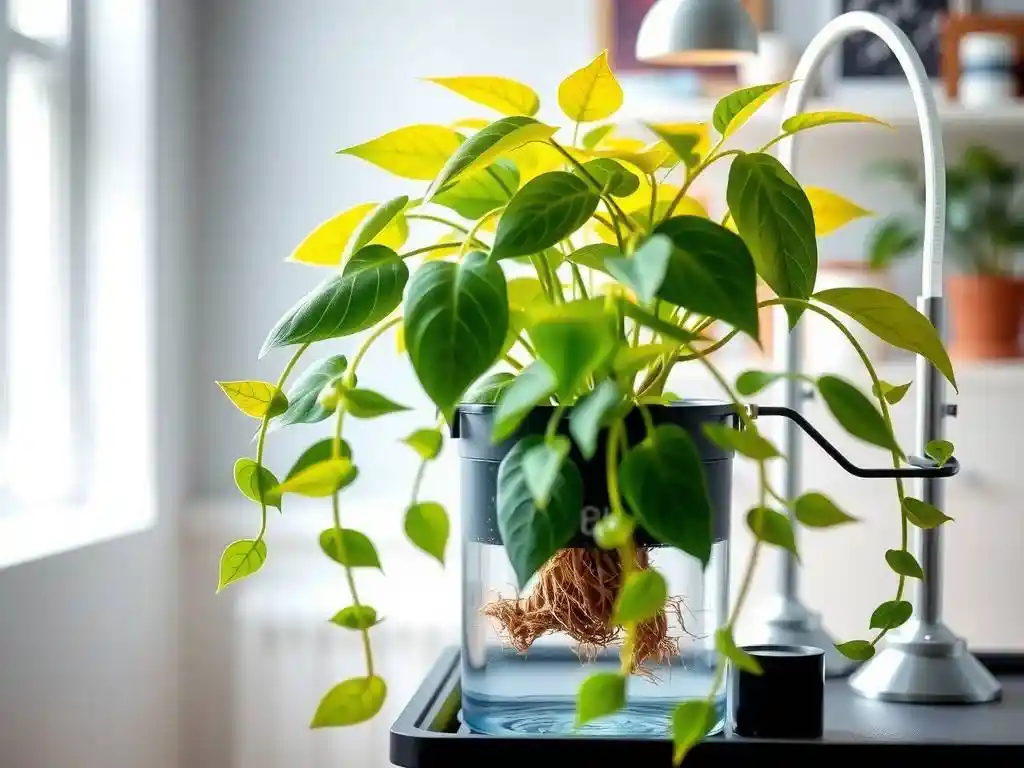
Why Choose Hydroponic Pothos?
Pothos, scientifically known as Epipremnum aureum, is a champion of adaptability. Its natural resilience translates exceptionally well to water-based growing. The primary benefits are clear: no soil-borne pests, minimal maintenance, and a stunning view of the developing root system. For beginners and busy plant parents, mastering Pothos water propagation is a rewarding first step into the world of hydroponics. Studies from horticultural extensions, like those at the University of Florida, often cite Pothos as a top recommendation for novice hydroponic growers due to its robust nature and rapid root development in aquatic environments.
Getting Started: Your Hydroponic Pothos Setup
You don’t need complex equipment to begin. The simplicity is a huge part of the appeal.
First, select a healthy stem cutting from a mature Pothos plant. Look for a section with at least 4-5 leaves and 2-3 nodes—those little brown bumps on the stem. The nodes are where new roots will emerge. Using clean, sharp scissors, cut just below a node.
Next, choose your vessel. A clear glass vase, jar, or bottle is ideal. Transparency allows you to monitor root health and water clarity easily. While Pothos is famously shade-tolerant for indoor plants, its roots prefer to be shielded from direct light to inhibit algae growth. If you use a clear container, simply place it inside a decorative pot or choose a tinted glass.
The Critical Element: Water Quality and Maintenance
This is the most crucial aspect of caring for Pothos in water. Avoiding turbid, murky water is key to preventing rot and ensuring a healthy plant.
Always use room temperature water. Let tap water sit out for 24-48 hours before use. This allows chlorine and fluorides to evaporate, making it safer for your plant. Filtered or distilled water are excellent alternatives.
Never submerge the leaves. Only the stem and nodes should be underwater. The leaves must remain above the surface to breathe.
How to Prevent and Fix Turbid Water
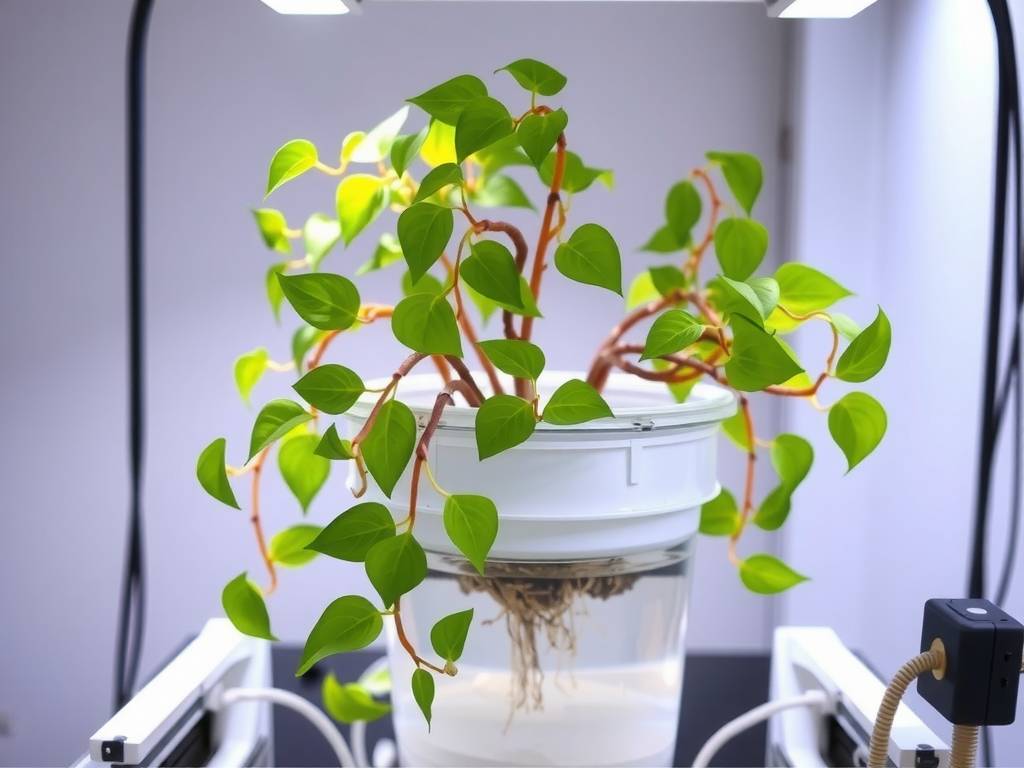
Cloudy water is a common alarm bell. It’s usually caused by bacterial growth, decomposing matter, or algae.
To prevent it, change the water completely every 1-2 weeks. When you change the water, gently rinse the roots and the inside of the container. This removes any biofilm or algae starting to form. Keep the container out of direct sunlight, as light promotes algae growth.
If the water becomes turbid, don’t panic. Immediately pour it out, clean the vessel with mild soap, rinse thoroughly, and refill with fresh, treated water. Trim any slimy or blackened roots with sterile scissors. Your plant will likely recover quickly.
Optimal Conditions for Growth
While Pothos survives in low light, it thrives in bright, indirect light. A spot near an east or north-facing window is perfect. Its shade-tolerant qualities mean it won’t perish in less ideal light, but growth will be slower.
Temperature-wise, standard household conditions between 65-85°F (18-29°C) are ideal. Avoid cold drafts or direct heat from vents.
Feeding Your Water-Grown Pothos
In water, your Pothos lacks access to the nutrients found in soil. After a strong root system is established (about 2-3 inches long), you can begin feeding. Use a balanced, water-soluble liquid fertilizer diluted to 1/4 or 1/2 the recommended strength. Add this to the water once a month during the spring and summer growing seasons. Avoid over-fertilizing, as this can lead to salt buildup and root burn.
🌱 Advanced Care: 5-Step Setup & Essential FAQs
To ensure your success, here is a streamlined setup checklist and answers to the most common questions about hydroponic pothos.
How to Set Up a Hydroponic Pothos System in 5 Steps:
Select the Cutting: Choose a stem with 4+ leaves and at least 2 nodes (brown bumps).
Prepare the Water: Use filtered water or tap water that has sat for 24 hours to remove chlorine.
Position the Stem: Place the cutting in a vessel, ensuring at least one node is submerged but no leaves are touching the water.
Lighting: Place in bright, indirect light (east/north window).
Maintenance: Mark a calendar reminder to change water every 10-14 days.
Hydroponic vs. Soil-Grown Pothos: Which Is Better?
Hydroponic Pros: Zero mess, no soil-borne pests (fungus gnats), you can see root health, and it’s easier to propagate.
Soil Pros: Soil acts as a buffer for nutrients and water; you don’t need to change water weekly.
Verdict: Hydroponics is better for beginners and clean aesthetics; soil is better if you want a "set it and forget it" plant for a month.
Top 3 FAQs:
Why are my hydroponic Pothos leaves turning yellow?
This is usually due to three reasons: 1) Too much direct sunlight (move to shade), 2) Old leaves naturally dying (trim them), or 3) Lack of nutrients (add diluted fertilizer if roots are established).Can I use tap water immediately?
No. Tap water contains chlorine which can damage roots. Always let it sit for 24 hours or use a dechlorinator.How to change water and add nutrients properly?
When changing water, gently wash roots to remove slime. Add liquid fertilizer immediately after refilling with fresh water to ensure even distribution. Do not fertilize in dry glass; always dilute in water first.
Troubleshooting Common Issues
Yellow leaves may indicate too much direct light or, occasionally, a nutrient deficiency. Brown leaf tips can be a sign of chemical sensitivity to water additives. If growth seems stunted, ensure the plant is getting enough ambient light and consider a slight increase in fertilizer frequency.
Propagating and Expanding Your Collection
The beauty of easy hydroponic rooting for Pothos is that you can create new plants endlessly. Once your initial cutting has a robust root system in water, you can leave it there indefinitely or use it to start more plants. Simply take new cuttings from your thriving vine and place them in their own vessels. It’s that simple.
Can I keep a Pothos in water forever?
Yes, absolutely. Pothos can live and grow in water for years. The key is consistent care: refreshing the water regularly, providing diluted nutrients during growing seasons, and ensuring it receives adequate indirect light. Many plant enthusiasts maintain their "mother" Pothos plants in water permanently.
Why are the roots turning brown or slimy?
Brown, mushy roots are a sign of rot, often caused by poor water quality or lack of oxygen. Sliminess is typically a bacterial biofilm. Immediately remove the plant, cut away all affected roots with clean tools, clean the container thoroughly, and provide fresh water. Ensure only the nodes and roots are submerged, not the entire stem.
How long does it take for Pothos cuttings to root in water?
You will typically see small white nubs emerging from the nodes within 1-2 weeks. A decent root system suitable for sustaining the plant or potting (if desired) usually develops within 4-6 weeks. Factors like warmth and light can speed up this easy propagation process.
Embracing hydroponics with a Pothos plant offers a virtually foolproof path to indoor gardening success. By understanding its need for clean water, its adaptability to various light conditions, and its natural propensity to root, you can enjoy vibrant, cascading vines with minimal effort. Start with a single cutting, master the rhythm of water changes, and soon you’ll have a collection of elegant, soil-free greenery purifying the air and enhancing your space. Have you tried growing pothos hydroponically? Share your experience below!