bluename
 How to Care for Pothos - Winter Warmth to Avoid Frost Damage
As temperatures drop, the vibrant green leaves of your beloved pothos plant can quickly turn into a story of yellowing, wilting, and despair. This common winter woe strikes countless indoor gardeners, transforming a low-maintenance friend into a fragile casualty of the cold. Understanding how to care for pothos during the chilly months is not just about maintaining beauty; it's a crucial rescue mission to shield these tropical natives from the invisible threat of frost damage. This guide will walk you through every essential step, from identifying early warning signs to creating a cozy winter sanctuary, ensuring your pothos not only survives but thrives.
Understanding Pothos and Its Cold Sensitivity
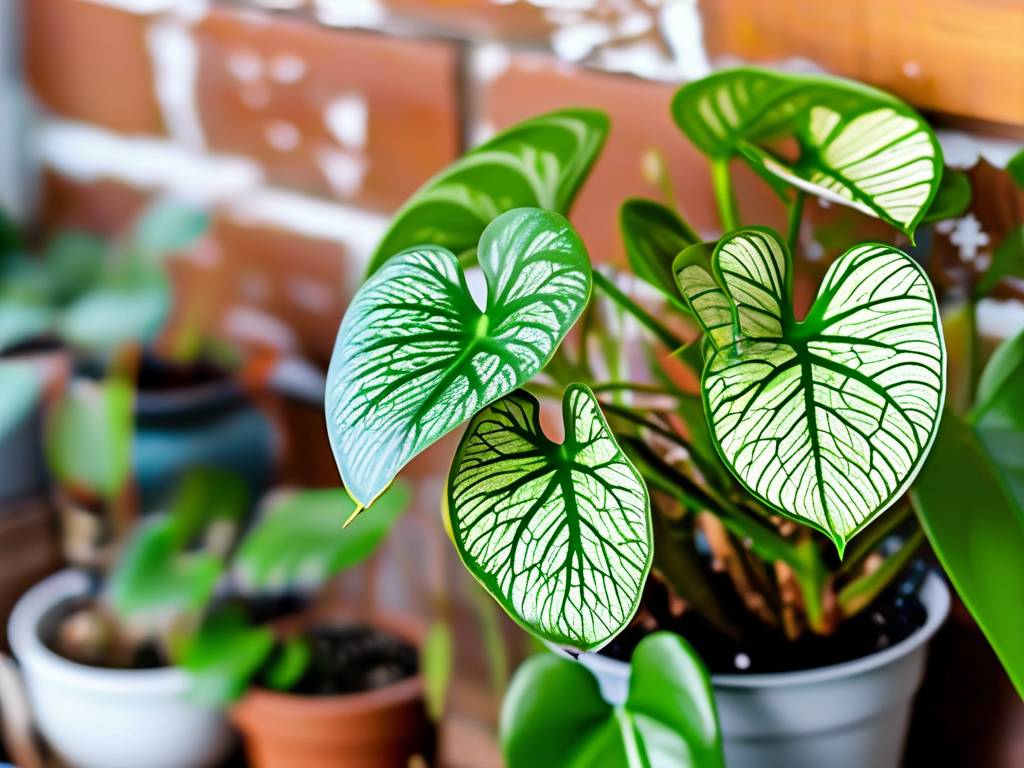
Pothos, scientifically known as Epipremnum aureum, hails from the warm, humid understories of French Polynesia. Its genetic blueprint is coded for consistent warmth, making it exceptionally vulnerable to temperatures below 50°F (10°C). Prolonged exposure to cooler drafts or sudden temperature dips can shock its system, leading to a condition often referred to as cold stress or frost damage in pothos.
The damage occurs at a cellular level. Chilled cell membranes become less fluid, disrupting water and nutrient transport. Ice crystals can form within the plant tissues, literally rupturing cells from the inside out. This is why a seemingly brief encounter with a cold windowpane or a drafty hallway can have lasting, detrimental effects.
Recognizing the Early Signs of Cold Stress and Frost Damage
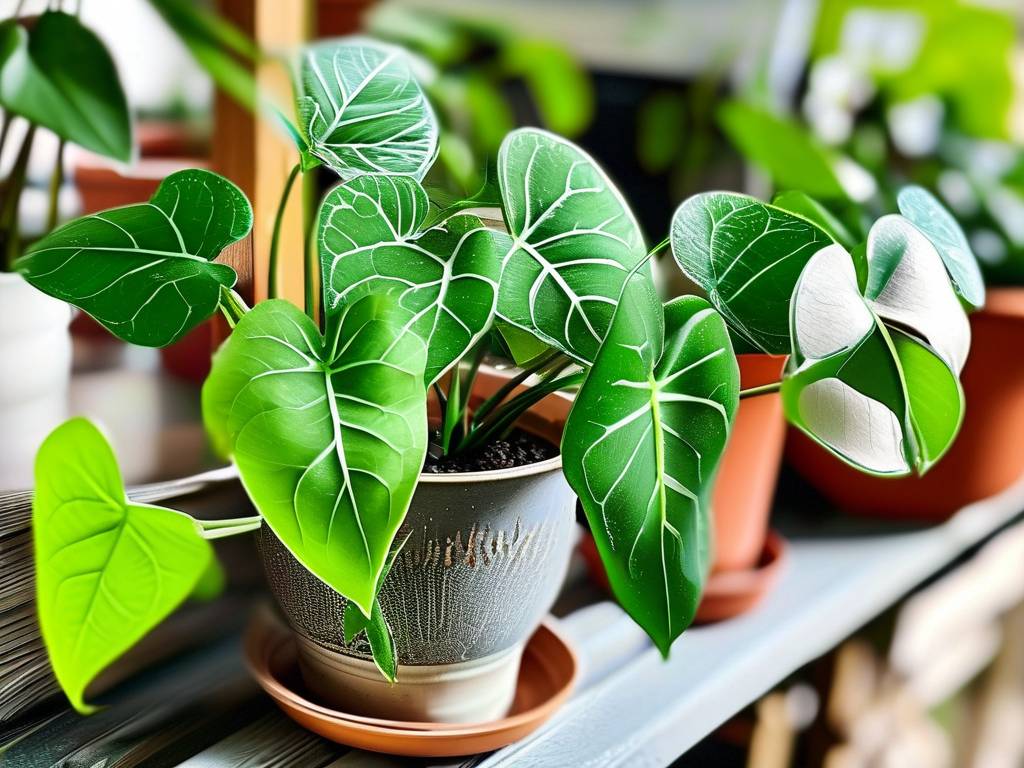
Catching the symptoms early is your first line of defense. Damage often appears within days of exposure.
- Discolored Leaves: The most telltale sign. Look for leaves turning pale yellow, particularly at the edges or between the veins. In more severe cases, leaves may develop dark brown or black, water-soaked patches. These spots are soft and mushy, unlike the crispy brown spots caused by underwatering.
- Leaf Drop: A stressed pothos will jettison its leaves to conserve energy. You may notice an unusual amount of leaves yellowing and falling off, starting with the oldest growth.
- Wilting and Limpness: Despite moist soil, stems and leaves may become soft, limp, and droopy. This is because the chilled roots cannot uptake water effectively, creating a paradoxical state of drought in wet conditions.
- Stunted Growth: Your pothos will enter a state of dormancy or severely slowed growth during cold stress. Don't expect new leaves or long trails; its sole focus is survival.
According to the American Horticultural Society's (AHS) plant hardiness zone system and their guidance on indoor plant care, tropical plants like pothos have zero frost tolerance. They emphasize that prevention is infinitely more successful than attempting to cure cold-damaged tissues, which are often permanently compromised.
Your Winter Pothos Care Action Plan
Successfully navigating winter involves a holistic shift in your care routine, focusing on warmth, light, and adjusted watering.
Optimizing Placement for Warmth and Light
Location is everything in winter. Your goal is to find a bright spot away from cold drafts.
- Banish the Drafts: Move plants away from frequently opened doors, drafty windows, and air vents blowing cold air. Even a small, consistent draft can cause significant chill damage over time.
- Window Wisdom: While bright, indirect light is ideal, windows can become cold traps at night. If your pothos is on a windowsill, consider moving it a few feet into the room at night or placing a insulating curtain between the plant and the glass. Ensure leaves are not touching the cold glass.
- Seek the Light: With shorter days, maximize available sunlight. A south or east-facing room is ideal. If natural light is scarce, supplement with a simple grow light for 4-6 hours a day to maintain energy levels.
Mastering the Winter Watering Schedule
Overwatering is the number one winter killer, as cold, wet roots are a recipe for root rot.
- The Golden Rule: Less is More. Allow the soil to dry out more thoroughly between waterings. Stick your finger about 2 inches into the potting mix. If it feels dry, it's time to water. If it's still moist, wait.
- Use Lukewarm Water. Icing the roots with cold tap water is an additional shock. Always use water that is room temperature or slightly tepid.
- Ensure Perfect Drainage. Double-check that your pot has functional drainage holes. Never let your pothos sit in a saucer of standing water, especially in winter.
Boosting Humidity for Tropical Comfort
Heating systems dry out the air, creating a desert-like environment for your humidity-loving pothos.
- Pebble Tray Method: Place your pot on a shallow tray filled with water and pebbles. The pot should sit on the pebbles, not in the water. As the water evaporates, it creates a localized humid microclimate.
- Grouping Plants: Cluster your houseplants together. Their collective transpiration raises the humidity level around them.
- Humidifier: For the most effective solution, use a room humidifier. This benefits both your plants and your own respiratory health.
Adjusting Feeding and Maintenance
Your pothos is resting, not feasting.
- Halt Fertilization: Stop all fertilizer applications from late fall through early spring. Fertilizing during dormancy can lead to toxic salt buildup in the soil and burn the roots, as the plant isn't actively growing to use the nutrients.
- Hold Off on Pruning and Repotting: Avoid major pruning or repotting unless absolutely necessary (like severe disease). These activities create stress and demand energy for healing, which your plant needs to conserve. Save these tasks for the active growing season in spring and summer.
Emergency Response: What to Do If Frost Damage Occurs
If you suspect your pothos has been chilled, act quickly but calmly.
- Move to Warmth: Immediately relocate the plant to a consistently warm (65-75°F), draft-free area with bright, indirect light.
- Assess the Damage: Do not water it immediately. Gently examine the leaves and stems. Soft, mushy, blackened stems are likely dead.
- Prune with Precision: Using clean, sharp scissors, prune away only the clearly dead or mushy tissue. Avoid cutting into firm, green stems, as they may still recover. Sterilize your tools between cuts to prevent spreading potential rot.
- Water Judiciously: Water only if the soil is completely dry, and use lukewarm water. Do not soak the plant.
- Practice Patience: Do not fertilize. Give the plant several weeks to show signs of recovery, such as firming up of remaining stems or the emergence of a new, small leaf. Recovery can be slow.
Can I save a pothos that has been left out in a frost? It depends on the severity. If only the leaves are damaged but the stems and roots are still firm, there is hope. Follow the emergency steps above. However, if the stems are black, mushy, and collapsing, and the roots are rotten, the plant may be too far gone. Your best chance is to attempt to propagate any remaining healthy stem cuttings in water.
My pothos is near a heater. Is that a good source of winter warmth? No, direct heat is as dangerous as cold drafts. Placing a pothos too close to radiators, fireplaces, or heating vents can scorch the leaves, dry out the soil too quickly, and create extreme temperature fluctuations. Aim for a location with consistent, ambient room temperature away from both cold and direct heat sources.
How do I know if my pothos is dormant or dying in winter? A dormant pothos will simply pause its growth. Its leaves will remain largely green and firm, and the stems will be taut. It will not produce new leaves. A dying pothos shows active decline: widespread yellowing/browning, mushy stems, leaf drop beyond the oldest leaves, and a foul smell from the soil indicating root rot. Dormancy is a quiet pause; dying is an active process of decay.
Caring for your pothos through winter is an exercise in mindful observation and gentle adjustment. By prioritizing stable warmth, careful watering, and increased humidity, you directly address its core tropical needs. Remember, the key to avoiding frost damage in pothos plants is proactive prevention. A slight shift in your routine—checking for drafts, feeling the soil before watering, and resisting the urge to fertilize—makes all the difference. When spring arrives, your vigilant care will be rewarded with a resilient plant ready to burst back into vigorous, trailing growth, showcasing the lush beauty that makes pothos a perennial favorite.