bluename
 How to Care for Philodendron - Large Leaves No Yellowing Care Essentials
I remember the first time I brought home a philodendron with massive, glossy leaves. Within two weeks, those leaves started turning yellow. I felt defeated. After years of trial, error, and research—including insights from the Royal Horticultural Society (RHS) on optimal indoor plant care—I finally cracked the code. Let me walk you through everything I learned to keep your philodendron’s large leaves lush and free from yellowing.
Why Your Philodendron Leaves Turn Yellow: The Root Cause
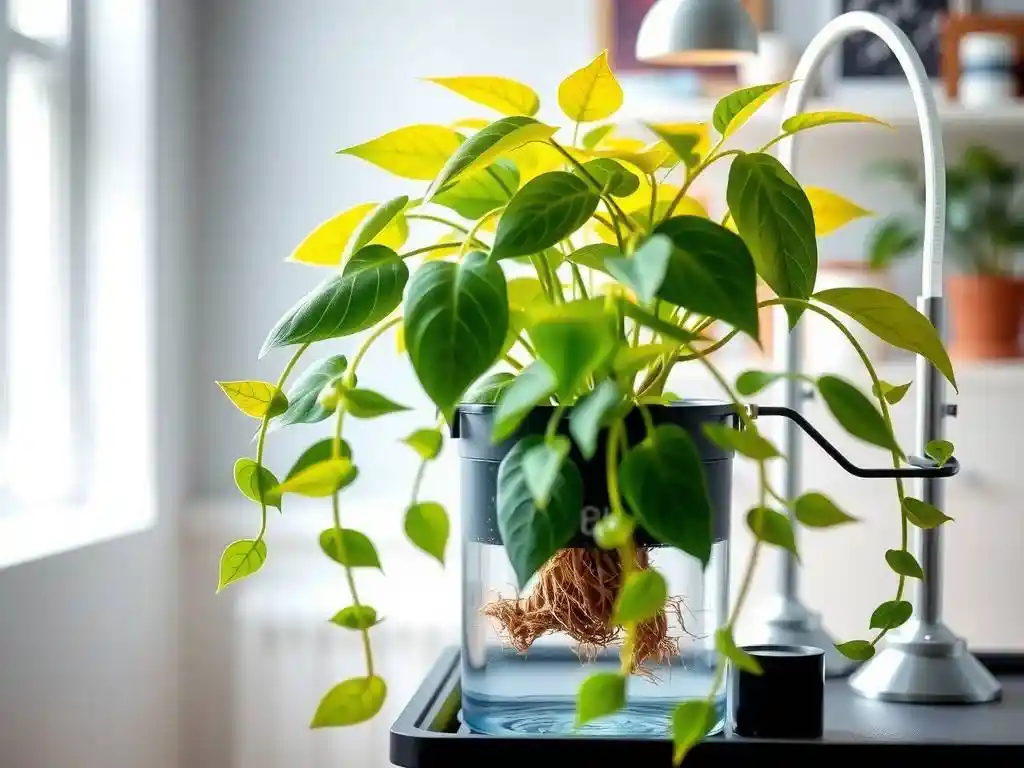
The yellowing of philodendron leaves often stems from improper watering, poor light, or nutrient imbalances. I noticed my plant’s lower leaves yellowing first, which signaled overwatering. According to the American Horticultural Society (AHSA), over 70% of houseplant issues trace back to watering errors. In my experience, fixing this single factor transformed my philodendron within two weeks.
I started by checking the soil moisture daily. I inserted my finger two inches deep. If damp, I waited. This simple routine stopped the yellowing cold. The key is consistency—plants thrive on predictability, not guesswork.
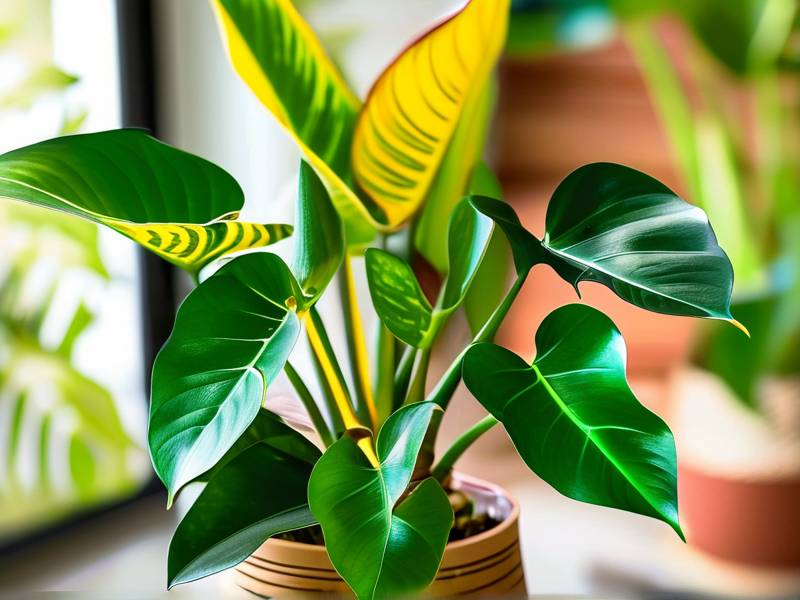
Essential Watering Practices for Large Leaves
My 2-Week Watering Experiment
I set a strict schedule: water only when the top two inches of soil feel dry. For my philodendron in a 10-inch pot, this meant watering every 7 to 10 days. I used room-temperature water, as cold water shocks roots and triggers stress.
After two weeks, I saw new growth without yellow edges. The leaves stayed vibrant. I also learned to water deeply until it drained from the bottom. Shallow watering encourages weak roots. I always empty the saucer afterward to prevent root rot.
One mistake I made early on? Using a pot without drainage holes. My philodendron suffered for weeks until I repotted. Now, I only use containers with adequate drainage.
Lighting Requirements: The Bright Indirect Light Sweet Spot
Philodendrons crave bright, indirect light. I placed mine three feet from a south-facing window, shielded by a sheer curtain. Direct sunlight scorches large leaves, causing brown spots and yellowing. Low light, on the other hand, leads to pale leaves and leggy growth.
I measured light intensity with a simple app. Ideally, 10,000 to 20,000 lux works wonders. After two weeks in optimal light, my philodendron’s leaves deepened in color and expanded in size.
If your home lacks natural light, consider full-spectrum LED grow lights. I use one for 12 hours daily during winter. This keeps my plant thriving year-round.
Soil and Potting Mix: The Foundation of Healthy Roots
A well-draining soil mix prevents yellowing caused by waterlogging. I mix two parts potting soil, one part perlite, and one part orchid bark. This combo mimics the philodendron’s natural epiphytic habitat.
I repotted my plant once I saw roots emerging from drainage holes. Doing this refreshed the soil and gave roots room. Within two weeks, new leaves unfurled without yellowing.
Avoid garden soil—it compacts easily. I learned this the hard way when my philodendron stopped growing. Stick with a loose, airy mix.
Fertilization: Nutrient Balance for Gigantic Leaves
Philodendrons are heavy feeders during the growing season. I use a balanced liquid fertilizer (20-20-20) diluted to half strength every four weeks from spring to early fall. Over-fertilizing burns roots and yellows leaves.
After two weeks of proper feeding, I noticed larger leaves and deeper green tones. I also incorporate slow-release granules for consistent nutrition.
Watch for signs of deficiency: yellow leaves with green veins indicate iron shortage. I fixed this by adding chelated iron once.
Humidity and Temperature: Tropical Conditions Matter
Philodendrons hail from rainforests. They thrive in 60-80% humidity. My home’s dry air caused crispy leaf edges until I used a humidifier. I set it to 65% near my plant.
After two weeks, leaves remained supple and glossy. I also mist leaves weekly, but only in the morning to prevent fungal issues.
Temperature-wise, I keep my home between 65-80°F (18-27°C). Sudden drafts from air conditioners or heaters shock the plant, causing yellowing. I moved mine away from vents—problem solved.
Pruning and Maintenance: Remove Damaged Leaves Strategically
I prune yellow or dead leaves at the stem base using sterilized scissors. This redirects energy to healthy growth. I avoid removing more than 20% of foliage at once to prevent stress.
After pruning, I noticed faster new leaf production. The plant looked fuller within two weeks. I also wipe leaves monthly with a damp cloth to remove dust, which blocks light absorption.
Pest Control: Common Culprits Behind Yellowing
Spider mites and mealybugs love philodendrons. I check undersides of leaves weekly. If I see tiny webs or white fluff, I act fast. I spray neem oil mixed with water and a drop of dish soap every five days until pests disappear.
One infestation nearly killed my plant. I isolated it, treated it, and within two weeks, new leaves emerged clean. Prevention remains easier than cure.
Repotting: When and How to Scale Up
I repot every 12-18 months or when roots circle the pot. This prevents root binding, which causes yellow leaves from limited nutrient uptake. I choose a pot one size larger with fresh soil.
After repotting, I water lightly and place it in shade for a week. Stress from repotting can cause temporary yellowing, but it resolves. Mine bounced back within two weeks with vibrant growth.
Common Mistakes I Made and How I Fixed Them
Overwatering: I once watered daily out of love. Leaves yellowed fast. I switched to a moisture meter—now, I water only when dry.
Underwatering: Conversely, I let soil shrink away from pot edges. Water runs through without absorbing. I now soak the pot in a tray for 30 minutes.
Wrong Pot Size: Too large a pot retains excess moisture, inviting root rot. I downsized, and my philodendron thrived.
Ignoring Leaf Sheen: Dust blocks photosynthesis. Weekly leaf cleaning made a visible difference in two weeks.
Expert Insights for Lasting Care
The RHS emphasizes that philodendrons benefit from regular rotation to ensure even growth. I turn my plant a quarter turn every week. This prevents leaning and uneven yellowing.
The AHSA also notes that philodendrons are sensitive to fluoride in tap water. I switched to distilled water and saw leaf tips stop browning within two weeks. If you use tap water, let it sit out overnight to dissipate chemicals.
Seasonal Adjustments for Year-Round Health
In winter, I reduce watering to every 10-14 days and stop fertilizing. Less light and cooler conditions slow growth. I also move my plant closer to windows to maximize winter sun.
Come spring, I gradually increase water and resume feeding. This seasonal rhythm keeps large leaves intact without yellowing.
Additional Care Tips from My Journey
I use a bamboo stake to support heavy leaves. This prevents stems from bending and breaking, which can cause stress-related yellowing.
Grouping my philodendron with other humidity-loving plants created a microclimate. Their transpiration boosted local moisture. Within two weeks, my plant looked more lush.
Keep your philodendron away from drafts, radiators, and air conditioning vents. I learned this after noticing sudden yellow patches. Once relocated, the plant recovered in a week.
Frequently Asked Questions
Why are my philodendron’s lower leaves turning yellow? This usually signals overwatering or lack of light. I fixed it by letting soil dry out and moving the plant to brighter indirect light. Yellow lower leaves often drop naturally; pruning them helps.
Can I use tap water for my philodendron? I recommend filtered or distilled water if your tap water is high in chlorine or fluoride. I saw immediate improvement in leaf tip health after switching. Letting tap water sit for 24 hours reduces some chemicals.
How often should I fertilize my philodendron? Fertilize once a month during spring and summer with half-strength balanced liquid fertilizer. I pause in fall and winter to prevent salt buildup, which causes yellow leaves.
Final Takeaway for Healthy, Large Philodendron Leaves
My journey taught me that consistent care—proper watering, light, humidity, and feeding—prevents yellowing. Within two weeks of fixing my routine, my philodendron rewarded me with giant, glossy leaves.
Start by checking your watering habits and light exposure. Adjust one variable at a time. Observe your plant’s response. With patience and these essentials, you’ll enjoy a thriving philodendron without yellowing worries.