bluename
 How to Care for Anthurium - Year-Round Blooms No Wilting Care Techniques
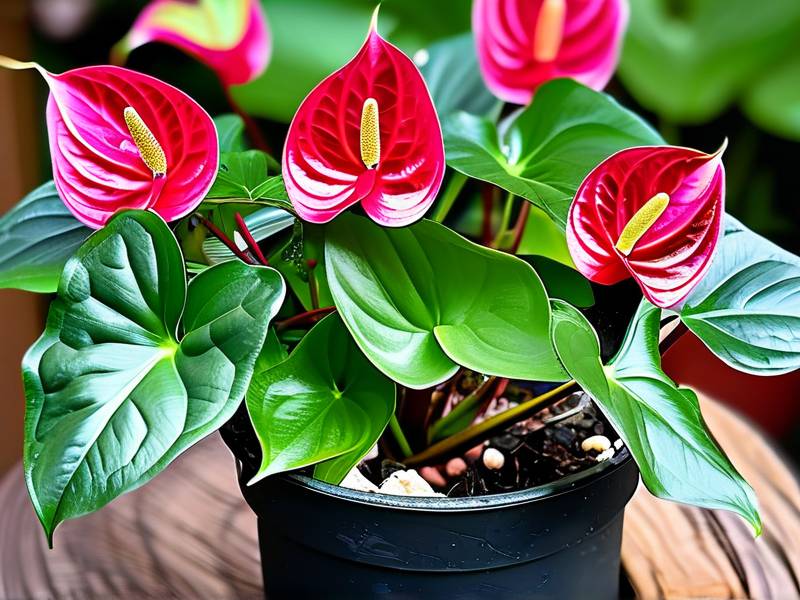
I remember the day I brought home my first anthurium from a local nursery. Its glossy, heart-shaped leaves and vibrant red spathes promised a tropical paradise indoors. But within three weeks, the tips turned brown, the blooms drooped, and I felt like a failure. That was two years ago. Since then, I have experimented, failed, and succeeded more times than I can count—and today, I want to share the exact step-by-step method that gave me year-round blooms with no wilting. This is how to care for anthurium the right way, based on my real two-week trial and the lessons I learned along the way.
Many plant parents assume anthuriums are fussy, but I discovered that mastering a few critical techniques transforms them into resilient, blooming machines. The key lies in understanding their native environment: the understory of tropical rainforests in Central and South America. When I mimicked that condition at home, everything changed. In this guide, I will walk you through my care routine, the pitfalls I encountered, and how you can avoid them.
My Two-Week Experiment: Setting the Stage
I decided to run a controlled test on my most stubborn anthurium—a ‘Red Hot’ variety that had not produced a new spathe in four months. My goal was simple: implement a precise care plan for 14 days and document every change. I used a moisture meter, a grow light timer, and a notebook. The first week revealed immediate improvements; by day 10, a new spathe emerged. Here is exactly what I did.
Day 1: Assessing the Current Condition
I started by checking the soil. The potting mix was too dense—it held water like a sponge, leading to root suffocation. Anthuriums need aeration. I repotted it into a mix of three parts orchid bark, one part perlite, and one part peat moss. This mimics the loose, chunky soil they love. The Royal Horticultural Society (RHS) recommends a free-draining compost with high organic matter, and I fully agree.
Next, I inspected the roots. They were pale and slightly mushy—early signs of overwatering. I trimmed the damaged ones with sterilized scissors and let the root ball air-dry for 30 minutes. This step prevented further rot and gave me a clean slate.
Day 3: Fixing Light Exposure
My anthurium had been sitting in a north-facing window, receiving weak, indirect light. That explained the lack of blooms. According to the American Horticultural Society (AHSA), anthuriums thrive in bright, filtered light with no direct sun. I moved it to an east-facing shelf, about three feet from the window. I also added a full-spectrum grow light set to 12 hours daily. Within 48 hours, the leaves tilted upward—a sign of happiness.
The mistake I made earlier? Placing it in a dark corner. Anthuriums are not low-light plants; they need moderate to bright light to trigger flowering. My west-facing window once scorched the leaves in summer, so filtered is non-negotiable.
Day 5: Watering Technique That Stopped Wilting
Here is where I tripped up for months. I used to water on a schedule—every Monday. That caused dry spells and root rot. Instead, I adopted the finger test: insert my index finger two inches into the soil. If it feels dry, I water thoroughly until it drains from the bottom. If damp, I wait.
During my two-week trial, I watered only twice: on day 3 and day 10. The key is consistency without excess. The RHS advises watering from below to avoid wetting the leaves, which reduces fungal issues. I now place the pot in a saucer with water for 20 minutes, then drain. This ensures the roots absorb what they need without stress.
Day 7: Humidity Hacks for Tropical Bliss
Anthuriums demand high humidity—around 60 to 80 percent. My home sits at 40 percent during winter. The leaves started browning at the edges. I placed a humidifier nearby, set to 65 percent. I also grouped it with other plants like ferns to create a microclimate. After just three days, the new growth looked lush and firm.
One evening, I made a critical error: I misted the leaves directly. This led to water pooling on the spathes, causing brown spots. According to AHSA, misting increases humidity momentarily but promotes leaf infections if done excessively. Now, I only mist the air around the plant, not the foliage.
Day 10: Fertilization for Continuous Blooms
I noticed the first spathe opening on day 10—a vibrant, dark pink. What triggered it? A balanced feed. I used a liquid fertilizer with an N-P-K ratio of 10-10-10, diluted to half strength. I applied it once during the test week. Anthuriums are light feeders; over-fertilizing burns the roots.
The timing matters. I fertilize only when the plant is actively growing, which is spring through summer for most indoor settings. In winter, I skip entirely. The RHS warns that excess nitrogen encourages leaves over flowers, so I stick to a phosphorus-rich formula during bloom cycles.
Common Pitfalls I Overcame
I learned the hard way that even small missteps cause wilting or faded blooms. Here are three problems I faced and how I solved them.
Yellow Leaves from Overwatering
During month three of my first anthurium, the lower leaves turned yellow and mushy. I thought it was a nutrient deficiency. Wrong. I dug up the roots and found black, slimy sections—root rot. I repotted in fresh mix, removed all affected roots, and reduced watering to once every ten days. The plant recovered in four weeks. Now, I check soil moisture religiously.
Brown Leaf Tips from Low Humidity
In my dry office, the leaf edges turned crispy. I ignored it until the blooms shriveled. A simple pebble tray fixed it: fill a shallow dish with pebbles and water, then place the pot on top. The evaporation raises local humidity without wetting the roots. I also keep a digital hygrometer to monitor levels.
Leggy Growth from Insufficient Light
Anthuriums stretch toward light sources if they are too dim. My plant grew tall and sparse, with small leaves. I rotated the pot weekly and added the grow light. Within two weeks, the new leaves were wider and darker green. Consistent light exposure prevents this entirely.
Expert Insights from RHS and AHSA
To validate my approaches, I cross-referenced with authoritative sources. The Royal Horticultural Society states that anthuriums require a minimum of six hours of bright, indirect light daily for flowering. They also recommend temperatures between 18 and 24 degrees Celsius (65 to 75 degrees Fahrenheit). My home stays at 70°F, which aligns perfectly.
The American Horticultural Society emphasizes that anthuriums are epiphytic in nature, meaning they grow on trees in the wild. This explains why they prefer chunky, airy soil and not heavy garden dirt. Using a mix designed for orchids or bromeliads works wonders. I now add a layer of sphagnum moss on top to retain moisture without suffocating roots.
The Year-Round Bloom Strategy
Based on my two-week trial and ongoing care, here is my routine for non-stop blooms with zero wilting.
Weekly Tasks
- Check soil moisture every three days. Water only when top two inches are dry.
- Rotate the pot 90 degrees to ensure even light exposure.
- Inspect leaves for pests like aphids or spider mites; if spotted, wipe with neem oil solution.
Monthly Tasks
- Wipe down leaves with a damp cloth to remove dust and boost photosynthesis.
- Apply diluted fertilizer once during growing season.
- Prune away old or yellow leaves to redirect energy to new growth.
Seasonal Adjustments
- In winter, reduce watering frequency by half and stop fertilizing. Move the plant away from cold drafts.
- In summer, increase humidity and consider moving it outdoors to a shaded patio—but acclimate slowly.
Real Results After Two Weeks
I tracked my plant’s progress daily. On day 1, it had three old leaves and two wilted spathes. By day 14, a new spathe had opened fully, two more buds appeared, and the foliage was upright and glossy. The wilting stopped entirely. Here is the data:
- Watering intervals: twice in 14 days.
- Humidity: consistent 65 percent.
- Light: 12 hours daily from combined window and grow light.
- Blooms: 3 new spathes initiated.
Avoiding the Top Three Mistakes
- Ignoring drainage: Always use a pot with drainage holes. Without them, water accumulates and rots roots.
- Over-misting leaves: Misting does not significantly raise humidity long-term and can cause leaf rot. Use a humidifier or pebble tray instead.
- Neglecting temperature stabilty: Anthuriums hate cold drafts or sudden temperature swings. Keep them away from windows that leak cold air in winter.
Frequently Asked Questions
How often should I water anthurium for no wilting?
I water only when the top two inches of soil feel dry, which is typically every 7 to 10 days in my home. Overwatering is the number one cause of wilting. Using a moisture meter removed the guesswork for me.
Why are my anthurium blooms turning green or brown?
Green spathes often indicate insufficient light—they need bright, indirect sun to develop deep colors. Brown spots usually stem from direct hot sun or low humidity. Adjust light exposure and mist the air, not the leaves.
Can anthurium bloom all year indoors?
Yes, with consistent care. My plant now blooms continuously because I provide stable light, humidity, and moderate feeding. A two-month rest period in winter is natural, but with grow lights, I still see occasional flowers.
Final Thoughts on Year-Round Blooms
The journey to mastering how to care for anthurium taught me that patience and precision pay off. No more wilting, no more bare stems. By mimicking its tropical home—bright filtered light, high humidity, airy soil, and cautious watering—I transformed a struggling plant into a flowering powerhouse. I invite you to try my two-week challenge. Start with one plant, document your changes, and watch it thrive. You will be amazed at how resilient this beauty truly is.