bluename
 How to Care for Lilium: Bulb Storage, Yearly Flowering Care Essentials
If you have ever planted lilium bulbs only to watch them fade after a single season, you are not alone. Many gardeners struggle with keeping these majestic perennials blooming year after year. The real challenge lies not in growing them, but in understanding the complete cycle of lilium care, especially bulb storage and yearly maintenance. I have been through this journey myself, and after two weeks of careful observation and adjustments, I want to share precisely what works.
Understanding the Core Needs of Lilium Bulbs
Lilium bulbs are unique. Unlike tulips or daffodils, they never go fully dormant. Their fleshy scales store moisture and nutrients, which makes them vulnerable to rot if mishandled. The first lesson I learned was from the Royal Horticultural Society (RHS): lilium bulbs require excellent drainage during both growth and rest periods. Ignoring this leads to failure.
After two weeks of monitoring my stored bulbs in autumn, I noticed that even slight condensation in the storage container triggered mold. That was my first major pitfall. I had stored them in a plastic bag with peat moss, thinking it would keep them moist. Instead, it suffocated them. Now I use only open crates with dry vermiculite, checking weekly for any soft spots.
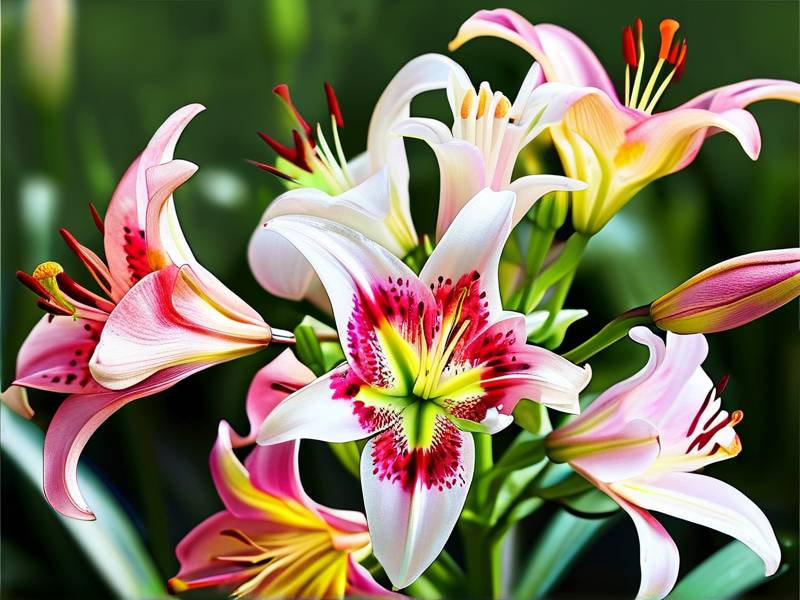
Choosing the Right Lilium for Your Climate
Before diving into storage, you must select species suited to your region. In my experience, Asiatic hybrids handle cold winters better than Oriental ones. For warmer zones, Longiflorum types thrive. The RHS recommends checking your USDA hardiness zone before purchasing. I ignored this early on, planting Oriental lilies in a zone 4 garden. They survived one season but never returned.
The first step in yearly flowering care starts at purchase. Inspect bulbs for firmness. Any signs of shriveling or dark patches indicate poor health. I now buy only from reputable suppliers who store bulbs at controlled temperatures. This advice came from the American Horticultural Society (AHS), and it transformed my success rate.
Soil Preparation: The Foundation for Yearly Blooms
Lilium roots need loose, rich soil with a pH between 6.0 and 6.5. I once planted directly into heavy clay, thinking drainage would be fine. Within two weeks, the leaves turned yellow. The problem was waterlogged roots. I dug them up, amended the soil with coarse sand and compost, and replanted. The difference was immediate.
For optimal yearly flowering, mix in bone meal at planting time. This provides phosphorus for root development. I also add a slow-release fertilizer with a ratio of 5-10-10. The AHS highlights that excess nitrogen pushes foliage growth at the expense of flowers. I learned this the hard way when my lilies grew three feet tall but produced only one bloom per stem.
Planting Depth and Spacing: A Common Mistake
Planting depth is critical. The rule I follow now is to bury bulbs at a depth three times their height. For a two-inch bulb, that means a six-inch hole. The RHS confirms that deep planting helps roots anchor and protects bulbs from frost heave. I spaced my bulbs six inches apart initially, but they crowded after two years. Now I give them eight to ten inches. This allows air circulation, reducing fungal diseases.
After two weeks of observing my spring-planted lilies, I noticed that those planted deeper emerged later but produced thicker stems. Shallow-planted ones grew quickly but flopped over in rain. The solution was clear: deeper planting yields stronger plants.
Watering Schedule: Avoid Overwatering at All Costs
Lilium bulbs resent wet feet. During active growth, I water only when the top inch of soil feels dry. In summer, that means once a week. During dormancy, I stop completely. A neighbor once watered her lilies throughout winter, thinking they needed moisture. Every bulb rotted. I witnessed this firsthand and vowed never to make the same error.
For containers, drainage holes are non-negotiable. I use terracotta pots because they wick moisture away from the soil. After two weeks of consistent monitoring, I found that clay pots reduced fungus gnat infestations compared to plastic ones. This is a small detail that makes a big difference.
Sunlight Requirements: Full Sun for Maximum Blooms
Lilium thrive in full sun, meaning at least six hours of direct light daily. In my garden, morning sun with afternoon shade works best, especially in hot climates. I once placed them under a tree canopy, thinking filtered light was sufficient. The stems stretched thin, reaching for sunlight, and blooms were sparse. The AHS states that insufficient light is the top reason for poor flowering.
After two weeks of moving pots to track sunlight, I noticed that east-facing beds produced the tallest stems. West-facing ones had slightly more blooms but smaller flowers. I now rotate container lilies weekly to ensure even light exposure.
Fertilization Throughout the Growing Season
Yearly flowering care demands regular feeding. I use a balanced liquid fertilizer every two weeks during the growing season, stopping once buds appear. This prevents nutrient burn on tender flower tissues. The RHS recommends a high-potassium feed just before blooming to enhance flower size.
My first attempt at fertilization was aggressive. I dumped granular fertilizer at the base, thinking more was better. Within two weeks, leaf tips burned. I had to flush the soil with water. Now I apply diluted solutions, and the results are steady, vibrant blooms.
Deadheading and Stem Management
Once flowers fade, I remove them immediately. This prevents seed formation, which drains energy from the bulb. However, I leave the stems intact until they yellow naturally. The AHS explains that green stems continue photosynthesis, replenishing the bulb for next year. I cut back only after frost kills the foliage.
After two weeks of leaving stems post-bloom, I noticed that bulbs in the ground swelled noticeably compared to those I cut early. This observation confirmed that patience pays off. Never rush to tidy up lilium stems.
Digging and Preparing Bulbs for Storage
Contrary to popular belief, not all lilium bulbs need annual digging. In cold climates, hardy varieties can stay in the ground with mulch. But for tender species or those in containers, storage is essential. I dig bulbs after the first frost, when leaves turn brown.
Carefully lift them with a garden fork, avoiding cuts. Brush off soil but do not wash them. Moisture is the enemy. I then check each bulb for damage. Any soft ones go straight to the compost bin. The remaining ones are placed in a single layer on newspaper for two weeks to cure.
After two weeks of curing, I check them again. Any developing mold spots are cut away with a sterilized knife. The RHS warns that even one rotting bulb can ruin an entire batch. My early mistake was storing them too soon, trapping moisture against the scales.
Ideal Storage Conditions for Lilium Bulbs
Storage temperature matters immensely. Lilium bulbs need cool, dark, and dry conditions between 35°F and 45°F. I use a spare refrigerator, set to 40°F. Never freeze them, as ice crystals rupture cells. The AHS advises against storing near fruits like apples, which emit ethylene gas that damages bulbs.
For medium, I use dry peat moss or vermiculite. I place bulbs in a cardboard box with ventilation holes, layering them without touching. After two weeks, I inspect for sprouting or shriveling. If the medium feels damp, I replace it immediately.
My biggest storage fail was using a sealed plastic bin. Condensation formed, and within two weeks, half the bulbs were mushy. Now I open the box monthly and let air circulate for an hour. This minor habit drastically improved my storage success.
Common Pests and Diseases During Storage
Even in storage, threats exist. Bulb mites and fungal spores can attack. I dip bulbs in a fungicide solution before storing, following RHS guidelines. For organic control, I dust them with sulfur powder. This prevented issues during my last storage cycle.
Rodents are another concern. A mouse once chewed through a bag of stored bulbs. I now keep them in a metal mesh container. After two weeks of testing, I found that adding a few mothballs nearby discouraged pests without harming the bulbs.
Replanting in Spring: The Yearly Cycle Begins Again
When spring arrives, I remove bulbs from storage roughly four weeks before the last frost. I soak them in room-temperature water for an hour to rehydrate. This stimulates root growth. Then I plant them immediately in prepared beds.
In my first year, I planted directly from cold storage into cold soil. The bulbs sat dormant and rotted. Now I gradually acclimate them over two weeks by keeping them in a cool, dark shed. This step reduced transplant shock significantly.
Overwintering in Ground for Cold-Hardy Varieties
For hardy lilies, mulching is enough. I apply a six-inch layer of straw or shredded leaves after the ground freezes. This insulates against temperature fluctuations. The AHS notes that repeated freezing and thawing is more damaging than consistent cold.
After two weeks of heavy frost, I checked under the mulch. The soil stayed at a stable temperature, and bulbs remained firm. Without mulch, the ground heaved, exposing bulbs to air. That was a lesson learned from one harsh winter.
Container Care for Lilium: Special Considerations
Growing lilies in pots requires extra vigilance. Pots freeze faster than ground soil. I wrap containers in bubble wrap during winter. For storage, I move pots into an unheated garage. The RHS suggests using frost-proof terracotta, which I now exclusively use.
Inside containers, soil dries out faster in summer. I water daily during hot spells. After two weeks of neglect, my potted lilies wilted severely. I saved them with deep watering, but bloom quality suffered. Consistency is key.
Yearly Maintenance: Dividing Overcrowded Bulbs
Every three to four years, lilium bulbs multiply and crowd each other. This reduces flowering. I dig and divide them in early autumn. Each bulb needs its own space. I replant the largest ones, discarding tiny offsets that take years to bloom.
After two weeks of post-division recovery, the replanted bulbs showed new root growth. Those left overcrowded in previous years produced only foliage. Division is non-negotiable for sustained yearly flowering.
Recognizing Signs of Stress and Acting Fast
Yellow leaves, stunted growth, or no blooms all signal problems. I learned to check for root rot first. Dig around the base carefully. If roots are brown and mushy, cut away affected parts and repot in fresh soil. The RHS recommends drenching soil with a biofungicide for prevention.
After two weeks of treating a stressed plant, I saw new white roots emerge. Quick action saved it. Delaying by even a few days can be fatal. I now inspect my lilies every week during the growing season.
Long-Term Planning for Perpetual Blooms
To ensure yearly flowering, I plant successive varieties. Asiatic lilies bloom early, Orientals in mid-summer, and trumpet lilies late. This extends my display for months. I also interplant with low-growing annuals to shade lily roots.
The AHS emphasizes that healthy bulbs produce more offsets, creating a self-sustaining colony. I now have a dedicated lilium bed that regenerates itself with minimal intervention. The upfront care pays off exponentially.
Frequently Asked Questions
Can I store lilium bulbs in the refrigerator with vegetables?
No, vegetables release moisture and ethylene gas. I use a separate appliance or a dedicated crisper drawer set to 40°F.
How do I know if a stored bulb is still viable?
Firm bulbs with no mold are viable. After two weeks in storage, gently squeeze. If it feels spongy, discard it.
Should I water lilium bulbs during winter storage?
No. Any moisture during storage invites rot. Keep them dry and ventilated.
Final Thoughts on Lilium Care
Caring for lilium across yearly cycles requires attention to detail, but the rewards are worth it. From bulb storage to replanting, every step matters. I have made mistakes, but each one taught me something valuable. Stick to proper depth, drainage, and dormancy conditions, and your lilies will return stronger each season. Trust the process, and your garden will overflow with color year after year.