bluename
 How to Care for Lucky Bamboo - Winter Warmth to Prevent Yellow Leaves
You've nurtured your lucky bamboo for months, admiring its vibrant green stalks and lush leaves. Then, winter arrives. Almost overnight, you notice a dreaded change—the tips of those elegant leaves begin to yellow, slowly creeping inward. This common winter woe can leave any plant parent feeling frustrated and concerned. The good news? This yellowing is almost always a cry for help related to the seasonal shift, specifically a lack of winter warmth and its accompanying environmental changes. Understanding how to provide proper lucky bamboo care during the colder months is the key to keeping your plant resilient and green all year round.
This guide will walk you through the essential steps to shield your lucky bamboo from winter's chill, focusing on maintaining the right temperature, adjusting your watering routine, and ensuring adequate light. By the end, you'll be equipped to prevent yellow leaves and enjoy a thriving plant through every season.
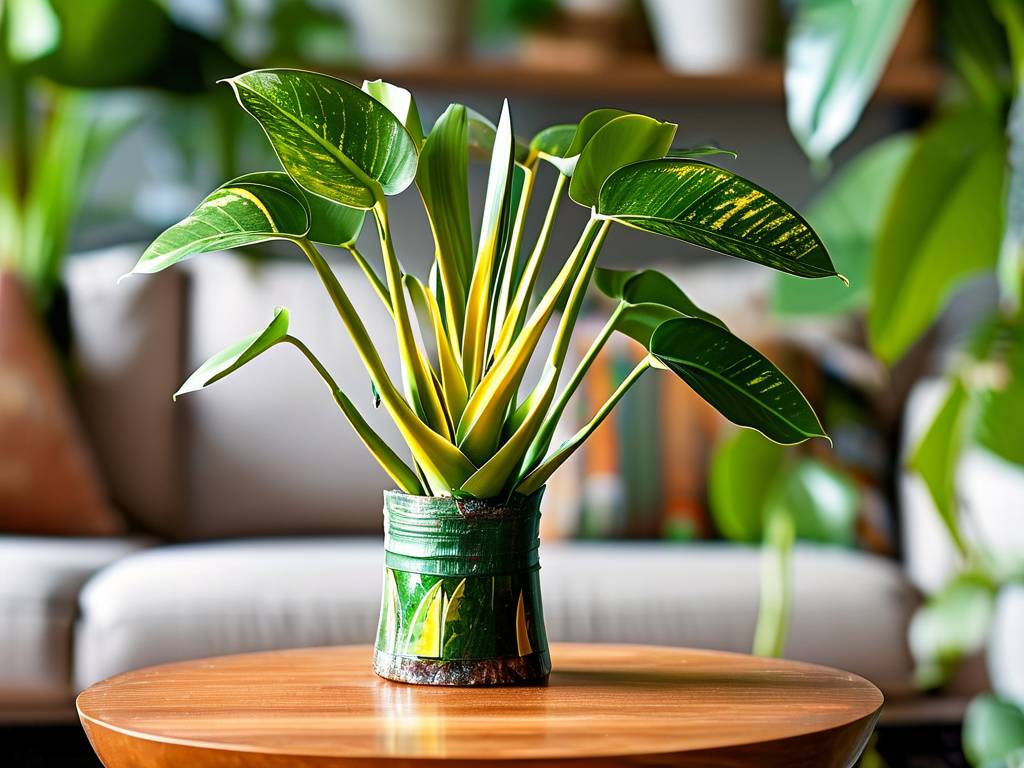
Why Lucky Bamboo Leaves Turn Yellow in Winter
Before we dive into solutions, it's crucial to understand the "why." Lucky bamboo (Dracaena sanderiana) is a tropical plant native to the rainforests of Central Africa. It thrives in consistently warm, humid, and brightly lit environments. Winter, especially in temperate climates, creates a perfect storm of stressors that disrupt this balance.
The primary culprit is cold stress. Temperatures below 50°F (10°C) can shock the plant, damaging its cells and hindering its ability to transport water and nutrients. This damage often manifests as yellowing leaves. Furthermore, indoor heating, while keeping us warm, creates a dry, desert-like atmosphere that saps moisture from the leaves. Combined with reduced daylight hours, which slows the plant's growth and water uptake, your lucky bamboo faces a triple threat: cold drafts, dry air, and low light. This leads to the common issue of preventing bamboo yellowing during seasonal transitions.
Your Winter Care Blueprint for a Healthy Lucky Bamboo
Protecting your plant is about proactive adjustments. Follow this structured care plan to navigate the winter months successfully.
1. Mastering the Art of Temperature and Placement
Location is everything in winter. Your goal is to find a spot that offers consistent, gentle warmth without exposure to sudden temperature swings.
First, identify and eliminate cold drafts. Keep your plant away from frequently opened doors, drafty windows, and air conditioning vents. Even a brief blast of cold air can cause significant stress. Similarly, avoid placing it directly next to a heat source like a radiator, fireplace, or space heater. The intense, dry heat can scorch leaves and dehydrate the plant faster than you can water it.
The ideal temperature range for lucky bamboo is between 65°F and 90°F (18°C to 32°C). For winter, aim to keep it consistently above 60°F (15°C). A stable room temperature is more beneficial than a spot that gets very warm during the day but cools drastically at night. Consider using a digital thermometer near your plant to monitor conditions. According to principles emphasized by plant care authorities, maintaining environmental stability is a cornerstone of preventative plant health, reducing stress that can lead to discoloration and disease.
2. The Critical Winter Watering Shift
Overwatering is the most common killer of lucky bamboo, and the risk is highest in winter. As growth slows due to lower light levels, the plant's water consumption drops significantly. Continuing your summer watering schedule will suffocate the roots, leading directly to root rot and yellow leaves.
If your bamboo is in water, change the water only once every two to three weeks, rather than weekly. Ensure the container is clean to prevent bacterial growth. Most importantly, use room temperature or lukewarm water. Icing cold tap water can send the roots into shock. The water level only needs to cover an inch or two of the roots.
For bamboo planted in soil, the "soak and dry" method becomes even more critical. Before watering, check the soil moisture by inserting your finger about an inch deep. Water thoroughly only when the top inch of soil feels completely dry. Always allow excess water to drain away completely—never let the pot sit in a saucer of standing water. This careful approach is central to lucky bamboo winter care and directly prevents stress-induced yellowing.
3. Optimizing Light and Humidity
With shorter days, maximizing available light is key. Move your lucky bamboo to a bright spot with plenty of indirect sunlight. An east or north-facing window is often ideal. If natural light is scarce, supplement with a grow light for 6-8 hours a day. This provides the energy the plant needs without the risk of leaf scorch from direct, hot sun.
Combating dry air is your next task. Indoor humidity can plummet to 30% or lower in heated homes, while lucky bamboo prefers levels above 50%. You have several effective tools:
- Pebble Tray: Place your pot on a shallow tray filled with water and pebbles, ensuring the pot sits above the water line. As the water evaporates, it creates a humid microclimate.
- Grouping Plants: Cluster your lucky bamboo with other houseplants. Their collective transpiration raises the local humidity.
- Humidifier: This is the most effective solution. A small humidifier nearby can maintain perfect ambient moisture levels, benefiting your plants and your own respiratory health.
The American Horticultural Society's Plant Heat-Zone Map and care guidelines, while focused on outdoor gardening, underscore the importance of understanding a plant's climatic origins for successful indoor cultivation. Mimicking the stable, humid understory of a tropical forest is your blueprint for winter success.
4. Nutrition and Maintenance During Dormancy
Winter is a time of rest for lucky bamboo. Fertilizing a semi-dormant plant can lead to fertilizer burn and salt buildup in the water or soil, which toxins the roots and causes leaf burn. Completely halt fertilization from late fall until early spring. When growth resumes with longer days, you can resume a diluted, monthly feeding schedule.
Regular maintenance is still important. Gently wipe the leaves with a damp, soft cloth every few weeks. This removes dust that can block sunlight and allows the plant to breathe more efficiently. It’s also the perfect time to inspect for pests, which can proliferate in dry, indoor conditions.
Addressing Yellow Leaves: Recovery and Pruning
Despite your best efforts, you may still find a yellow leaf or two. Don't panic. Act quickly to maintain your plant's health and appearance.
A fully yellow leaf will not turn green again. Using a clean, sharp pair of scissors, cut the yellow leaf off at the point where it meets the stalk. Make a clean cut. If an entire stalk turns yellow, it is likely compromised. You should remove that entire stalk from the arrangement to prevent any potential decay from spreading to healthy stalks.
After addressing the symptoms, revisit the care checklist above. Is the plant in a draft? Are you watering with cold water? Is it bone dry from the heater? Correcting the underlying issue will stop the yellowing from progressing to other leaves.
Frequently Asked Questions
My lucky bamboo stalk is turning yellow from the bottom up. What does this mean? This is typically a sign of overwatering or, if grown in water, contaminated water. It indicates stem or root rot. For a water-grown plant, remove the yellowing stalk immediately to protect the others, clean the vase thoroughly, and refresh with clean, room-temperature water. For soil plants, check the roots. If they are brown and mushy, you may need to cut away the rot and repot in fresh, well-draining soil.
Can I use tap water for my lucky bamboo in winter? You can, but with caution. Cold tap water is a shock. Always let it sit out overnight to reach room temperature and allow chlorine to evaporate. If your tap water is heavily fluoridated or hard, it can cause brown leaf tips. Using filtered or distilled water is often the safest bet to avoid chemical buildup.
Is it normal for lucky bamboo to grow slower in winter? Absolutely. Reduced light and cooler temperatures signal the plant to enter a period of slowed growth or dormancy. This is completely normal. Do not try to force growth with fertilizer or extra water. Focus on providing stable conditions, and you will see a resurgence of new growth as spring approaches.
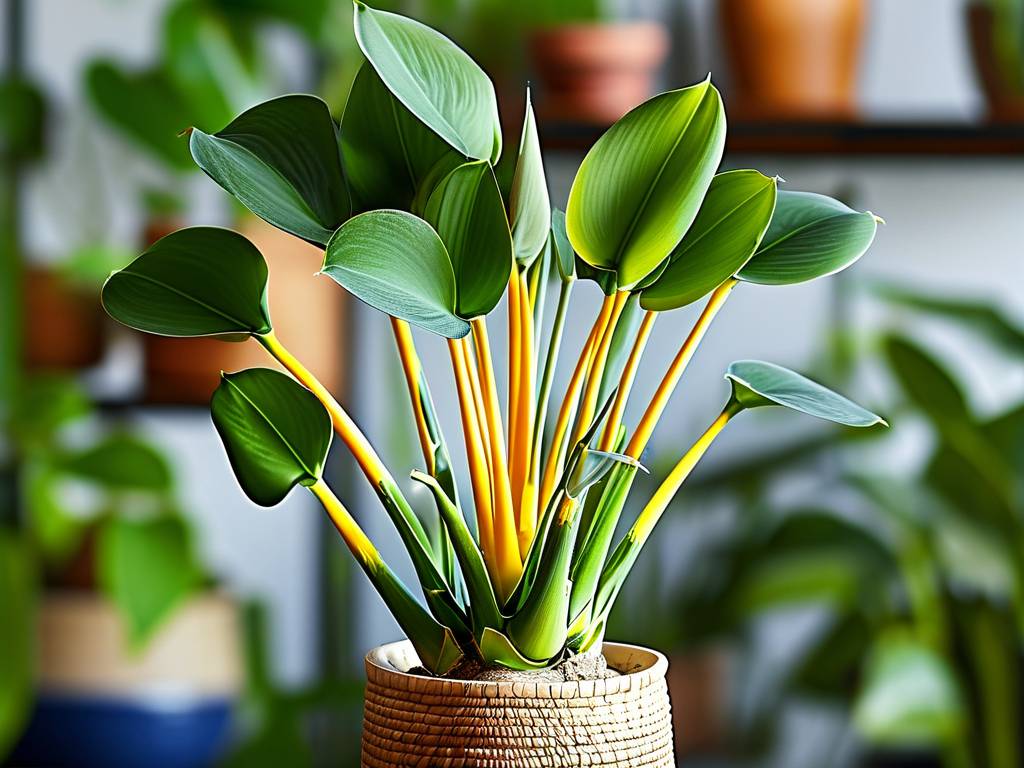
Winter doesn't have to spell disaster for your lucky bamboo. By shifting your focus to providing consistent warmth, adjusting your watering habits to match the plant's slower pace, and boosting ambient humidity, you create a sanctuary that buffers against the season's harshness. Remember, the goal is prevention through understanding and mimicking the plant's natural preferences. With these mindful adjustments, you can effectively stop yellow leaves in their tracks and ensure your symbol of luck and resilience remains vibrant and healthy, adding a touch of enduring green life to your home throughout the year.