 bluename
 How to Care for Aloe Vera: Winter Water Control to Avoid Frost Damage
You’ve nurtured your aloe vera plant all year, enjoying its sculptural beauty and handy gel. But as temperatures drop, a silent threat emerges: frost damage. The most common killer of aloe vera in winter isn’t always the cold itself, but a fundamental mistake in how we water. Overwatering during the dormant, chilly months can lead to mushy, blackened leaves and root rot, turning your resilient succulent into a casualty of the season. Mastering winter water control is the single most important skill for keeping your aloe vera alive and thriving until spring.
Understanding Your Aloe Vera’s Winter Dormancy
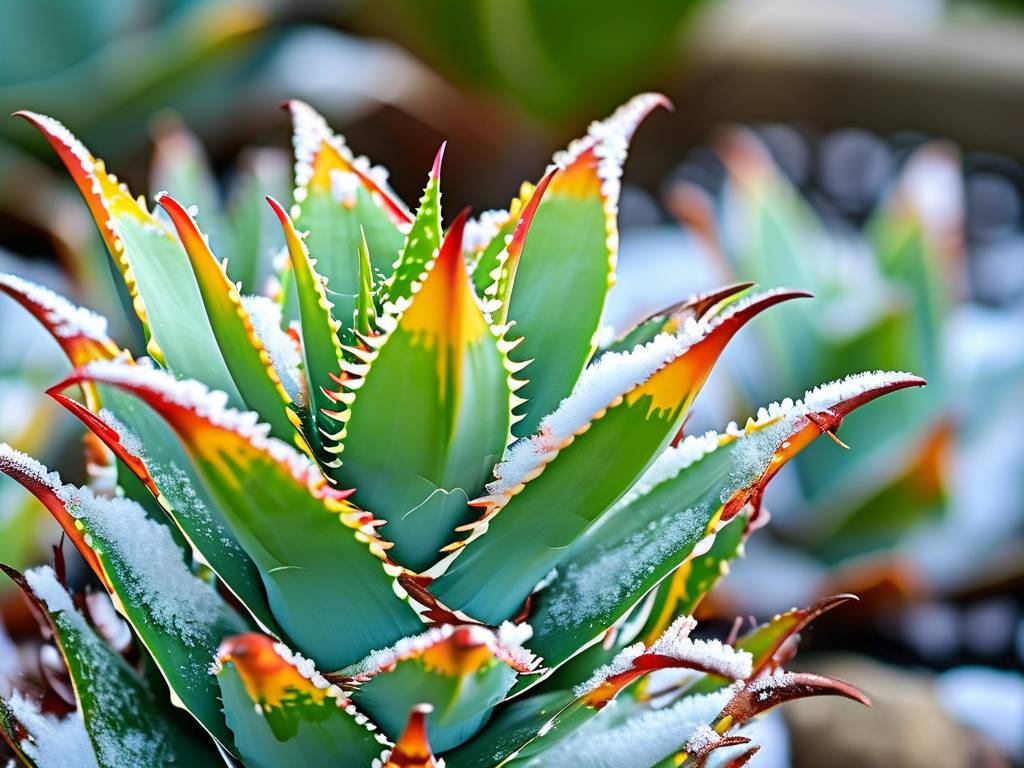
Aloe vera, like many succulents, enters a state of dormancy when daylight hours shorten and temperatures cool. This isn’t a period of death, but of rest. Its growth slows dramatically or stops altogether. The plant’s metabolic processes, including water uptake, slow down significantly.
During this time, its water requirements plummet. Continuing a summer watering schedule is akin to forcing a hibernating bear to run a marathon—it places immense, unnatural stress on the system. The soil stays wet for far too long in cool conditions, creating the perfect environment for fungal pathogens that attack the roots and stem. The Royal Horticultural Society (RHS) explicitly notes that for succulents like aloe vera, “overwatering, especially in winter, is the most common cause of plant death.”
The Golden Rule: When to Water (and When Not To)
Forget the calendar. The key to winter watering is to respond to the plant’s needs and environment, not a fixed schedule.
The primary signal is completely dry soil. Before you even consider reaching for your watering can, you must check the soil moisture. Do not rely on the surface appearance. Insert your finger or a wooden skewer at least two inches into the potting mix. If you feel any moisture or soil sticks to the skewer, wait. Water only when the soil is bone-dry throughout the entire root zone.
The “soak and dry” method used in summer transforms into the “light sip” method in winter. When it’s finally time to water, do so sparingly. Provide just enough water to lightly moisten the soil, avoiding a deep, drenching soak. Your goal is to prevent the roots from completely desiccating, not to promote growth.
Temperature is your guide. Water only on days when temperatures are milder, ideally above 50°F (10°C). Never water in the evening or on a freezing day. Watering in the cold, especially at night, guarantees the soil will stay cold and wet for hours, dramatically increasing rot risk. Morning watering on a slightly warmer day allows some excess moisture to evaporate.
Signs You’re Overwatering: What Frost Damage Really Looks Like
It’s crucial to distinguish between true frost damage and damage from overwatering, as they often look similar and are frequently intertwined.
- Soft, Mushy, Translucent Leaves: This is the hallmark of overwatering. The water-storing cells burst, turning the normally firm, plump leaves soft and jelly-like. They may appear darker green or brownish and feel cold and wet.
- Black or Brown Basal Rot: If the base of the plant or the lower leaves turn black and mushy, root or stem rot has set in. This is often fatal if not addressed immediately.
- Leaves Lying Flat or Drooping Excessively: While some mild droop can signal thirst, a severely overwatered plant will have a general collapse of its structure.
True frost damage from a sudden, hard freeze often appears as sunken, dry, and papery scars on the leaf surfaces, particularly at the tips. However, a plant weakened by wet soil is infinitely more susceptible to cold injury. The American Horticultural Society’s (AHS) plant heat-zone map is a useful tool, but remember, aloe vera’s cold hardiness is severely compromised by wet conditions.
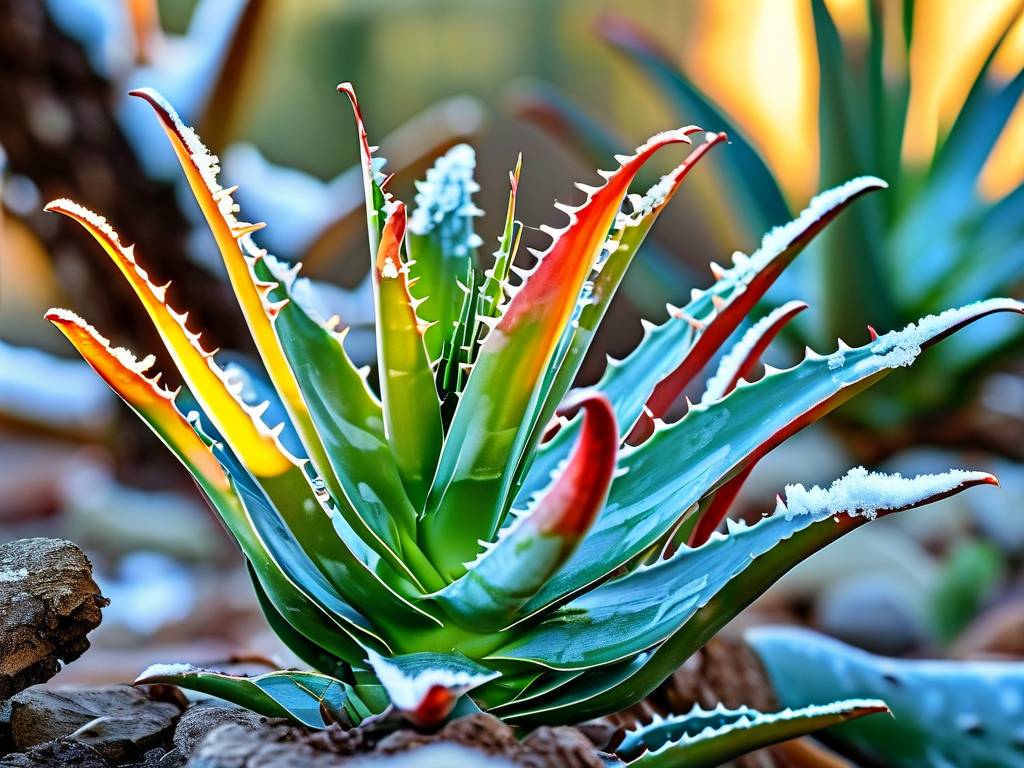
Creating the Ideal Winter Environment
Water control is the star, but it’s supported by a cast of other critical factors.
- Light: Provide the brightest light possible. A south-facing window is ideal. Insufficient light exacerbates damp soil problems by further slowing the plant’s activity.
- Temperature: Keep your aloe vera in a cool but frost-free location, ideally between 50-60°F (10-15°C). Avoid placing it near drafty windows or hot radiators, as both cause stress.
- Soil and Pot: Ensure you’re using a very well-draining cactus or succulent mix. The pot must have a drainage hole. A terracotta pot is excellent for winter as it breathes, helping soil dry out more evenly.
Emergency Care for a Water-Damaged Aloe Vera
If you suspect overwatering, act fast. Remove the plant from its pot and inspect the roots. Healthy roots are firm and light-colored. Trim away any black, brown, or mushy roots and leaves with a sterile knife. Let the plant and its root system air dry for 24-48 hours. Repot in fresh, dry succulent mix and do not water for at least a week. This gives the plant a chance to callous over and reset.
My aloe vera’s leaves are thin and curling inwards. Is it thirsty? This can be tricky. While inward curling can indicate thirst in summer, in winter it’s more likely a sign of dormancy or insufficient light. Check the soil first. If it’s damp, do not water—increase light exposure instead. Only water if the soil is completely dry and the leaves feel papery, not mushy.
Can I use a moisture meter for my aloe vera in winter? Yes, a moisture meter can be a helpful tool to eliminate guesswork, especially for deep pots. Ensure you probe near the root zone. However, the physical finger test remains a reliable and immediate method. Calibrate your meter by checking it against the dry-skewer test a few times.
Should I fertilize my aloe vera in winter? Absolutely not. Fertilizing during dormancy forces growth the plant cannot support with its slowed-down systems. This leads to weak, leggy growth and makes the plant more vulnerable to pests and rot. Resume fertilizing only in late spring or early summer with a diluted, balanced formula.
Mastering aloe vera care through the winter hinges on a profound shift in mindset: from active cultivation to protective stewardship. By dramatically reducing water, respecting dormancy, and providing a stable, bright environment, you work with your plant’s natural cycle, not against it. Vigilance against overwatering is your strongest defense, preventing the root rot that so often masquerades as frost damage. With these focused practices, your aloe vera will not just survive the winter but enter spring poised for robust, healthy growth.





