bluename
 How to Care for Snake Plant - Winter Warmth to Prevent Yellow Leaves
Seeing your snake plant’s normally vibrant, upright leaves turning a sickly yellow can be alarming, especially during the colder months. This common winter woe is often a distress signal from your resilient houseplant, triggered by the unique challenges of the season. Understanding how to care for snake plant through winter is crucial to prevent this discoloration and maintain its architectural beauty. This guide will walk you through the essential steps, focusing on providing the right winter warmth and care to keep your Sansevieria thriving when temperatures drop.
Understanding Why Snake Plant Leaves Turn Yellow in Winter
Before we dive into solutions, it's important to understand the "why." Yellow leaves are rarely a standalone issue; they're a symptom. In winter, several environmental factors converge to stress the plant.
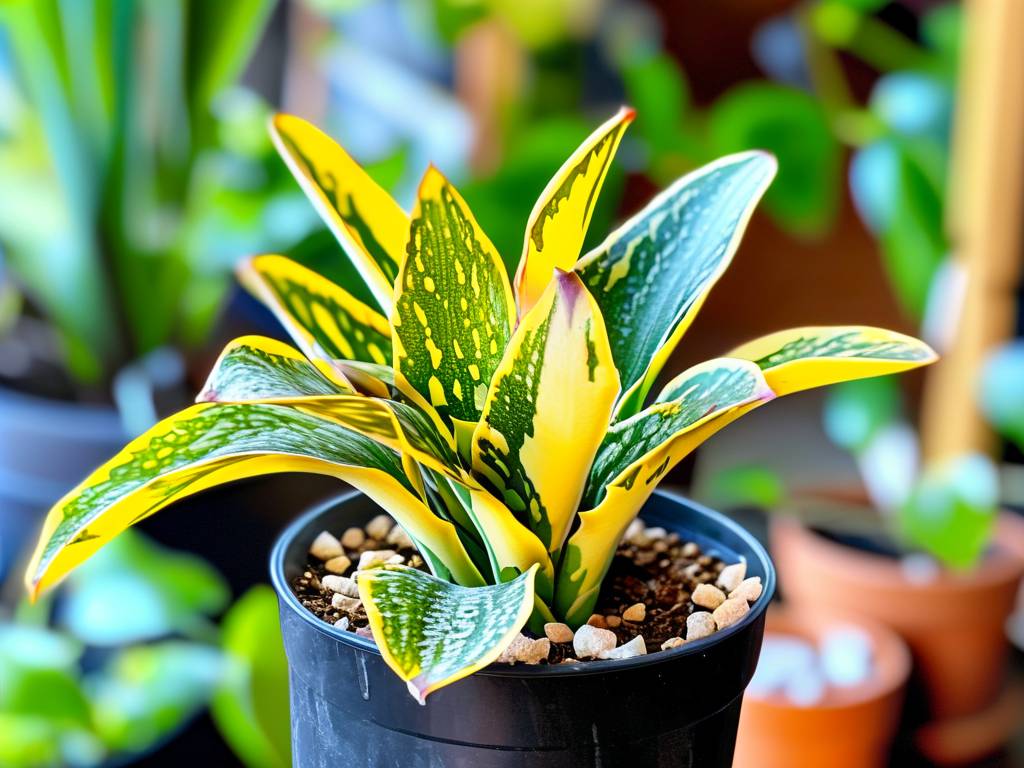
The primary culprit is often overwatering combined with cooler temperatures and reduced light. Snake plants enter a state of dormancy or significantly slowed growth in winter. Their water requirements plummet. Continuing a summer watering schedule leads to waterlogged soil. Cold, wet roots cannot function properly, leading to root rot, which manifests as soft, yellowing leaves starting at the base.
Secondly, temperature stress plays a major role. Snake plants prefer warmth and suffer in drafts or near cold windows. Exposure to temperatures below 50°F (10°C) can cause chilling injury, damaging cell tissues and leading to yellow, mushy spots on the leaves. A study on tropical foliage plants by the University of Florida IFAS Extension highlights that temperatures below a plant's optimum range severely inhibit physiological processes, making them more susceptible to other issues.
Finally, light reduction is a key factor. While tolerant of low light, the significantly shorter days mean your plant produces less energy. This weakened state makes it less able to cope with other stresses like overwatering or cold drafts.
Your Winter Care Blueprint: Warmth, Water, and Light
Successfully navigating winter with a snake plant hinges on adjusting your care routine to match its dormant state. The goal is to support it with minimal intervention.
Adjusting Your Watering Routine for Dormancy
This is the most critical adjustment. The mantra for winter snake plant watering is "less is more."
- Frequency: Instead of watering on a schedule, water only when the soil is completely dry. For most home environments in winter, this may mean watering only once every 4-8 weeks. Always check first.
- Method: Insert your finger or a wooden skewer 2-3 inches into the soil. If it comes out clean and dry, it's time to water. Water thoroughly until it runs out of the drainage hole, then immediately empty the saucer. Never let the plant sit in standing water.
- Water Temperature: Use room-temperature water. Icy cold water from the tap can shock the roots, adding to the plant's stress.
Providing Optimal Winter Warmth and Light
Creating a stable, warm microclimate is your best defense against yellow leaves.
- Ideal Temperature Range: Maintain ambient room temperatures between 60-80°F (15-27°C). Avoid placing your plant near frequently opened doors, drafty windows, or heat vents, which create damaging hot or cold blasts.
- The Window Dilemma: A bright window seems ideal, but at night, glass becomes very cold. If leaves are touching a freezing windowpane, move the plant a few feet back or use a insulating curtain as a buffer at night.
- Light Requirements: Place your snake plant in the brightest indirect light available. A south or east-facing window is perfect. While it won't grow much, adequate light helps it maintain strength. Rotate the pot occasionally for even exposure.
Addressing Humidity and Soil Health
Winter indoor air can be extremely dry due to heating systems, but snake plants are adapted to arid conditions and rarely need added humidity. Focus instead on soil and airflow.
- Soil and Drainage: Ensure your pot has an excellent drainage hole. The soil mix should be fast-draining, such as a cactus/succulent blend. A heavy, moisture-retentive soil holds too much water in winter. The Royal Horticultural Society (RHS) advises using "well-drained, soil-based potting compost" for succulents like Sansevieria to prevent waterlogging.
- Air Circulation: Gentle air movement helps soil dry evenly and prevents fungal issues. Ensure the plant isn't in a completely stagnant corner.
Step-by-Step Rescue for a Yellowing Snake Plant
If you're already facing yellow leaves, don't panic. Immediate action can often save the plant.
- Isolate and Inspect: Move the plant to a warm, bright area away from drafts.
- Check the Roots: This is the most important step. Gently remove the plant from its pot and inspect the roots. Healthy roots are firm and orange or white. Rotten roots are brown, black, mushy, and may smell foul.
- Perform Root Surgery: Using sterile scissors or pruners, cut away all soft, rotten roots. Be ruthless; any rot left behind will spread.
- Repot: If significant rot was present, repot the plant into fresh, dry, well-draining succulent soil. Choose a pot that is only slightly larger than the remaining root ball; too much soil holds excess moisture.
- Prune the Damage: Cut off the completely yellow leaves at the soil line. They will not recover. If only the tip is yellow, you can trim the brown/yellow part off at an angle to mimic the leaf's natural point.
- Hold the Water: Do not water immediately after repotting if you dealt with rot. Wait at least a week to allow any damaged roots to callous over, then resume your sparse winter watering schedule.
Proactive Measures and Long-Term Health
Prevention is always easier than cure. To ensure your snake plant remains resilient year after year, consider these expert-backed practices.
- Seasonal Fertilization Pause: Do not fertilize your snake plant in fall and winter. Fertilizer encourages growth, which the plant cannot support in low light, leading to weak, susceptible tissue. The American Horticultural Society (AHA) recommends feeding houseplants only during their active growing season (spring and summer).
- Cleaning the Leaves: Use a soft, damp cloth to gently wipe dust off the leaves. This maximizes the light they can absorb during the dim winter months, boosting their energy production.
- Pest Vigilance: Stressed plants are more prone to pests like mealybugs or spider mites. Inspect leaves periodically, especially the undersides and tight crevices.
Why is the tip of my snake plant turning yellow and brown? This is often a sign of inconsistent watering or low humidity combined with mineral buildup from tap water. While snake plants are tough, fluoride or chlorine sensitivity can cause tip burn. Ensure you're letting the soil dry fully between waterings, and consider using filtered or distilled water if your tap water is heavily treated.
Can a yellow snake plant leaf turn green again? No, once a leaf has turned yellow, the chlorophyll (the green pigment) is gone and that section of the leaf cannot recover. The best course is to remove fully yellow leaves to direct the plant's energy to healthy growth. Partially yellow leaves can be trimmed.
Is it normal for snake plants to not grow in winter? Absolutely. It is completely normal and expected for snake plants to show little to no new growth during the shorter, cooler days of winter. This dormancy is a natural rest period. Your focus should be on maintaining health, not encouraging growth. Resume regular care and fertilization when you see new growth emerge in the spring.
By mastering the art of providing winter warmth for snake plants, you transform winter from a season of risk into a period of simple maintenance. The key lies in respecting its dormant state: water sparingly, protect it from cold, and give it as much light as possible. With these mindful adjustments, you’ll not only prevent those worrying yellow leaves but also set the stage for vigorous, healthy growth when the warmer days return. Your resilient snake plant will thank you with years of striking, architectural beauty.