bluename
 How to Care for Jade Plant: Winter Warmth to Avoid Frost & Form Old Stalks
You’ve nurtured your jade plant through the sunny months, watching its plump, jade-green leaves thrive. But as the temperature drops, a silent threat emerges. One cold night near a drafty window can lead to devastating frost damage, turning those resilient leaves soft and black. Even if it survives the chill, you might wonder why its stems remain thin and young-looking, never achieving that prized, sturdy, tree-like form with old stalks. This winter, don't just hope for the best. With a focused strategy on providing essential winter warmth to avoid frost and encouraging the development of those classic old stalks, you can guide your jade plant not only to survive but to mature into a magnificent, sculptural specimen.
Understanding the Jade Plant's Winter Needs
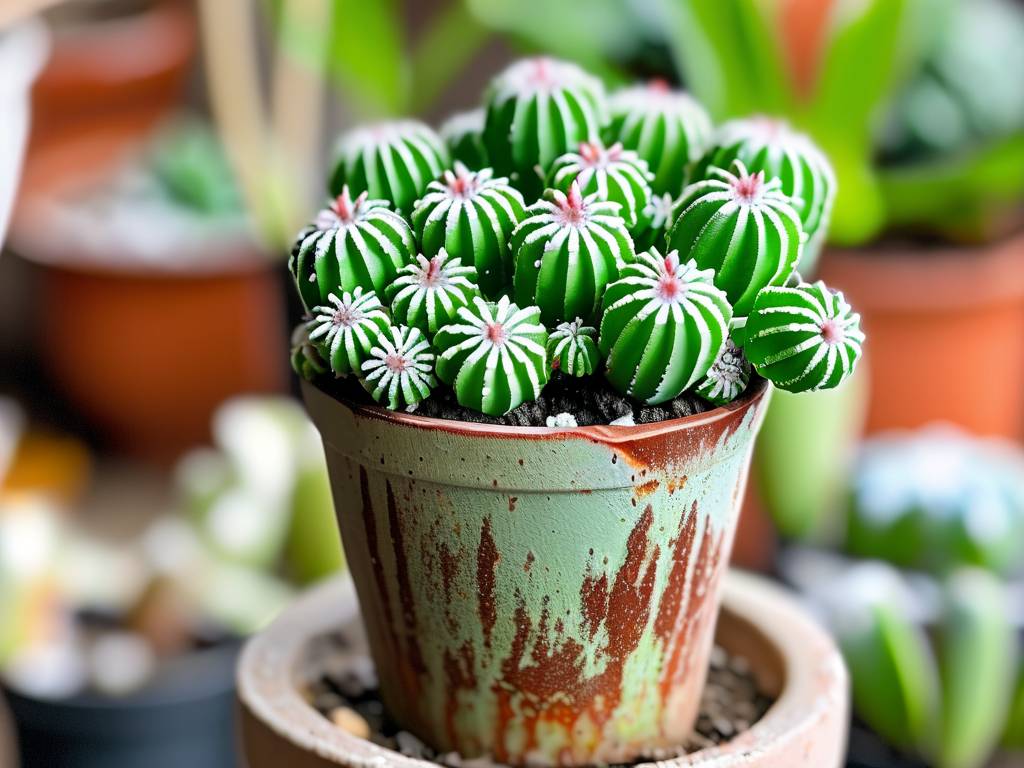
Jade plants (Crassula ovata) are succulents native to South Africa, built for dry, mild climates. They enter a period of slowed growth, or dormancy, during the shorter, cooler days of winter. This is a natural rest period, not a sign of poor health. However, our modern homes present unique challenges that differ drastically from their native habitat.
The primary winter enemy is cold stress, which can quickly escalate into fatal frost damage. According to the Royal Horticultural Society (RHS), most succulents, including jade plants, cannot tolerate temperatures below 50°F (10°C) for extended periods. Brief exposure to colder drafts or proximity to single-pane windows can cause cellular damage.
Simultaneously, winter is an excellent time to influence your plant's structure. The slowed growth allows you to manage its energy and form the thick, woody trunks—often called old stalks—that are hallmarks of a mature, well-cared-for jade.
Providing Essential Winter Warmth to Avoid Frost Damage
Your first and most critical mission is to shield your plant from the cold. Frost damage is often irreversible, so prevention is everything.
Identify and Eliminate Cold Drafts Start by scouting your plant's location. Feel for drafts near windows, doors, and air vents. A consistently cold spot you might not notice can be deadly for your jade. Move the plant to a more protected interior location, away from direct paths of cold air. Even a few feet away from a window can make a significant temperature difference.
Optimize Indoor Placement for Consistent Temperatures The ideal winter spot for a jade plant is in a bright room where temperatures remain consistently between 55-65°F (13-18°C). A south or west-facing window inside the home is typically perfect. The glass provides light while the interior warmth buffers the cold. Avoid placing the plant directly against the windowpane at night, as this glass surface can become much colder than the room air.
Utilize Protective Measures During Extreme Cold During severe cold snaps, take extra precautions. If you have sheer curtains, draw them at night to create an insulating layer of air between the plant and the window. For plants in particularly cold rooms, consider using a plant heat mat designed for seed starting. Placed under the pot, it provides gentle, root-zone warmth. The American Horticultural Society (AHA) notes that protecting roots from chill is as important as protecting foliage, as cold soil can shock the entire plant.
Recognize and Respond to Early Frost Damage Signs Vigilance is key. Early signs of cold stress include leaves that become slightly soft or develop red edges (a sign of anthocyanin production, a plant stress response). If you see this, move the plant to a warmer location immediately. Advanced frost damage manifests as black, mushy, or translucent leaves. If this occurs, prune all damaged tissue back to healthy growth with a sterile tool to prevent rot from spreading.
Mastering Winter Watering for Health and Resilience
Watering is the most common cause of jade plant failure in winter, intricately linked to temperature. The goal is to prevent root rot while supporting the plant's minimal needs.
Drastically Reduce Watering Frequency When growth slows, water needs plummet. Where you might water every 7-10 days in summer, you may only need to water every 3-4 weeks in winter. The key is to always check the soil first. The top inch or two should be completely dry, and the pot should feel very light when lifted.
Employ the "Soak and Dry" Method Thoroughly When you do water, do it properly. Take the plant to a sink and water slowly until excess water flows freely from the drainage holes. This ensures the entire root ball is moistened. Let it drain completely before returning it to its saucer. Never let the plant sit in standing water, especially in cool conditions, as this suffocates roots and invites rot.
Adjust Watering Based on Specific Home Conditions Your home's environment dictates the schedule. A jade plant in a cooler, dimmer room will need far less water than one in a warm, sunny sunroom. Plants under grow lights or near heat vents may dry out slightly faster. Always let the plant's soil dryness, not the calendar, be your guide.
Strategic Techniques to Form Thick, Old Stalks
Forming those rugged, old stalks is a process of patient guidance. It involves managing light, making strategic cuts, and understanding plant energy.
Maximize Available Light for Strong Growth Light is the energy source for thick growth. Ensure your plant receives the brightest possible indirect light during winter. A south-facing window is ideal. If natural light is weak due to your climate, supplement with a grow light for 12-14 hours a day. Strong light prevents etiolation—the stretching and weakening of stems—and encourages compact, sturdy growth.
Practice Strategic Pruning and Pinching Pruning is how you sculpt the plant and direct its energy. To encourage a thicker main trunk, prune back long, leggy branches in early winter. Make clean cuts just above a leaf node (where leaves emerge). The plant will redirect energy to the remaining stem, thickening it, and will often produce two new branches from the node below the cut, creating a fuller shape. Pinching off the tiny new leaves at the tips of branches can also promote bushier growth lower down.
Manage Fertilization to Support Steady Development Fertilizer has a role in stalk development, but timing is crucial. Do not fertilize during the deep winter dormancy. Instead, apply a balanced, water-soluble fertilizer diluted to half-strength in the late winter or very early spring, as daylight increases. This gentle nutrient boost supports the initial spring growth surge, contributing to stronger cell development in the stalks.
The Role of Time and Patience in Trunk Development It's vital to set realistic expectations. Developing a thick, woody trunk takes years, not weeks. Each growing season adds a layer of girth. Your consistent care across seasons—providing good light in summer, careful watering in winter, and occasional pruning—compounds over time to create that ancient, bonsai-like appearance.
Troubleshooting Common Winter Jade Plant Issues
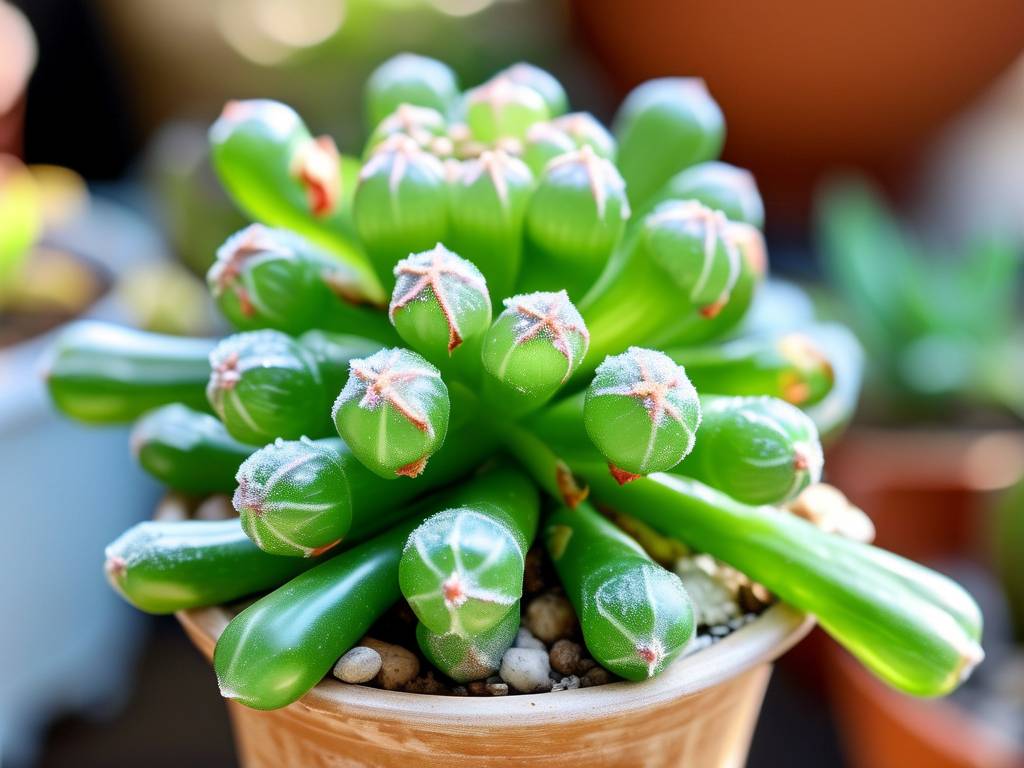
Even with good care, issues can arise. Here’s how to address them.
Addressing Leaf Drop in Winter Some leaf drop is normal, especially of older leaves. However, sudden, significant leaf drop is a distress signal. The most common winter causes are overwatering (leading to soft, yellowing leaves that drop) or exposure to a cold draft (leading to sudden leaf loss). Diagnose the cause by checking soil moisture and plant location, and adjust accordingly.
Combating Pests Like Mealybugs Stressed plants are more susceptible to pests. Mealybugs, appearing as small, white, cottony masses in leaf axils, are common. Isolate the affected plant. Wipe them off with a cotton swab dipped in rubbing alcohol, or apply insecticidal soap or neem oil, ensuring to cover all crevices. Check weekly for recurrence.
Correcting Etiolation (Stretching) from Low Light If your plant's stems are growing long spaces between leaves, stretching weakly toward the light, it is etiolated. While you can't reverse the stretching, you can stop it. Move the plant to a much brighter location or add a grow light. You can then prune back the elongated stems in spring to encourage a more compact form.
My jade plant's leaves are wrinkly and soft in winter. Am I under-watering? Wrinkled, slightly soft leaves can indeed indicate thirst. However, in winter, first confirm the soil is bone dry before watering. Cold soil can also make roots less efficient at uptake, sometimes causing wrinkles even if the soil is moist. Ensure the plant is warm, then if the soil is dry, water thoroughly. If the soil is damp and leaves are mushy, it's likely overwatering/root rot.
Can I repot my jade plant in the middle of winter? It is generally not advised. Repotting causes root disturbance, and a plant in dormancy will struggle to recover in suboptimal conditions. The best time to repot is in the spring or early summer when the plant is actively growing and can quickly establish itself in fresh soil.
How cold is too cold for a jade plant left outside? Jade plants are not frost-hardy. Temperatures at or below 40°F (4°C) pose a significant risk of damage. If you summer your plant outdoors, it is crucial to bring it inside well before your area's first expected frost. A sudden drop to freezing temperatures (32°F / 0°C) will almost certainly kill the plant.
Success with your jade plant in winter hinges on a simple but mindful shift in care. Prioritize consistent warmth to protect it from the silent threat of frost, and adjust your watering to match its sleepy pace. Embrace the season as an opportunity to assess its shape, provide the brightest light possible, and make a few strategic cuts to guide its future form. This attentive, seasonal approach does more than just help your plant survive the colder months. It builds the resilience and directs the energy needed to gradually transform it from a simple succulent into a living heirloom, characterized by those beautiful, sturdy old stalks that tell a story of years of dedicated care.