bluename
 How to Care for Schefflera Arboricola - Winter Warmth to Prevent Yellow Leaves
Seeing your vibrant Schefflera arboricola, or dwarf umbrella tree, develop yellow leaves as temperatures drop is a common and frustrating experience for plant owners. This discoloration is often a direct cry for help, signaling that your tropical houseplant is struggling with the environmental shifts winter brings. The key to maintaining its lush, green foliage lies in understanding and providing consistent winter warmth to prevent yellow leaves. This guide will walk you through a comprehensive, step-by-step care routine tailored for the colder months, ensuring your Schefflera not only survives but thrives.
Understanding Why Your Schefflera Turns Yellow in Winter
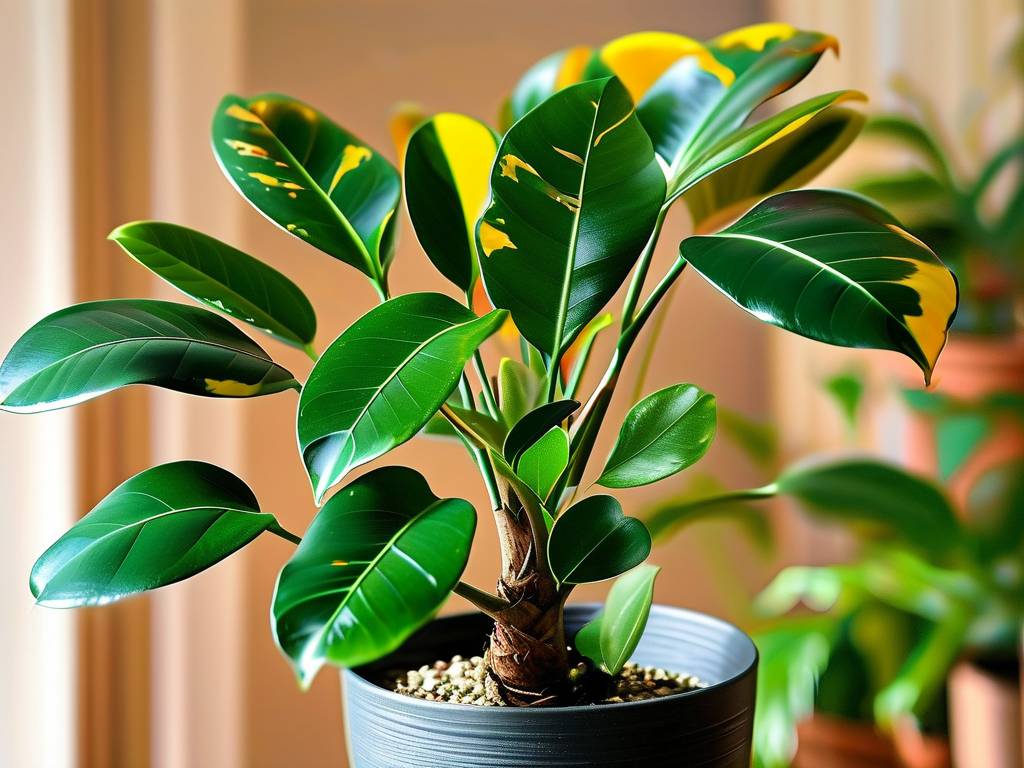
Before diving into solutions, it's crucial to diagnose the problem correctly. Yellow leaves on a Schefflera arboricola in winter are rarely due to a single issue. Instead, they result from a combination of stress factors.
The primary culprit is the drop in temperature and the accompanying dry air from indoor heating systems. Schefflera arboricola is a tropical plant native to warm, humid environments. When exposed to drafts, cold windowsills, or temperatures consistently below 60°F (15°C), its metabolic processes slow down. This chill stress damages plant cells and inhibits the roots' ability to uptake water and nutrients, leading to chlorosis (yellowing).
Furthermore, indoor heating drastically reduces humidity levels, often to a desert-like 10-20%, while Schefflera prefers levels around 40-50%. This dry air saps moisture from the leaves faster than the chilled roots can replace it, causing stress and yellowing, often starting at the leaf tips or margins.
Other contributing factors exacerbated in winter include overwatering in low-light conditions and reduced light intensity. A holistic approach addressing all these elements is essential for effective Schefflera arboricola winter care.
Creating the Ideal Warm and Stable Environment
Your first line of defense is to safeguard your plant from cold and drafts. This is the most critical step in providing winter warmth for houseplants like the Schefflera.
Identify and relocate your plant away from danger zones. These include drafty doors, single-pane windows, and air vents for heating or cooling. Even a brief blast of cold air can cause significant shock. Feel the window glass at night; if it's cold to the touch, your plant is too close. Move it to a stable, interior location where temperatures remain consistently between 65-75°F (18-24°C) during the day and do not fall below 60°F (15°C) at night.
Invest in a basic digital thermometer and hygrometer to monitor conditions around your plant. This takes the guesswork out of care. According to the Royal Horticultural Society (RHS), avoiding sudden temperature fluctuations is as important as maintaining the minimum temperature itself. Stability prevents repeated stress cycles that weaken the plant.
For an extra layer of protection, especially in very cold climates, consider using a plant heat mat. Placed under the pot, these mats provide gentle, bottom-up warmth that keeps the root zone temperature a few degrees above the ambient room air, promoting healthier root function.
Mastering Winter Watering and Humidity
With lower light and cooler temperatures, your Schefflera's growth slows, meaning its water requirements plummet. Overwatering is the fastest way to induce root rot and yellow leaves during this dormant period.
Adopt the "soak and dry" method with extra caution. Before watering, always check the soil moisture. Insert your finger about 2 inches into the potting mix. If it feels dry at that depth, it's time to water. If it still feels moist, wait. In winter, you may find your Schefflera only needs water every 3-4 weeks, compared to weekly in summer. Ensure your pot has excellent drainage and never let the plant sit in a saucer of standing water.
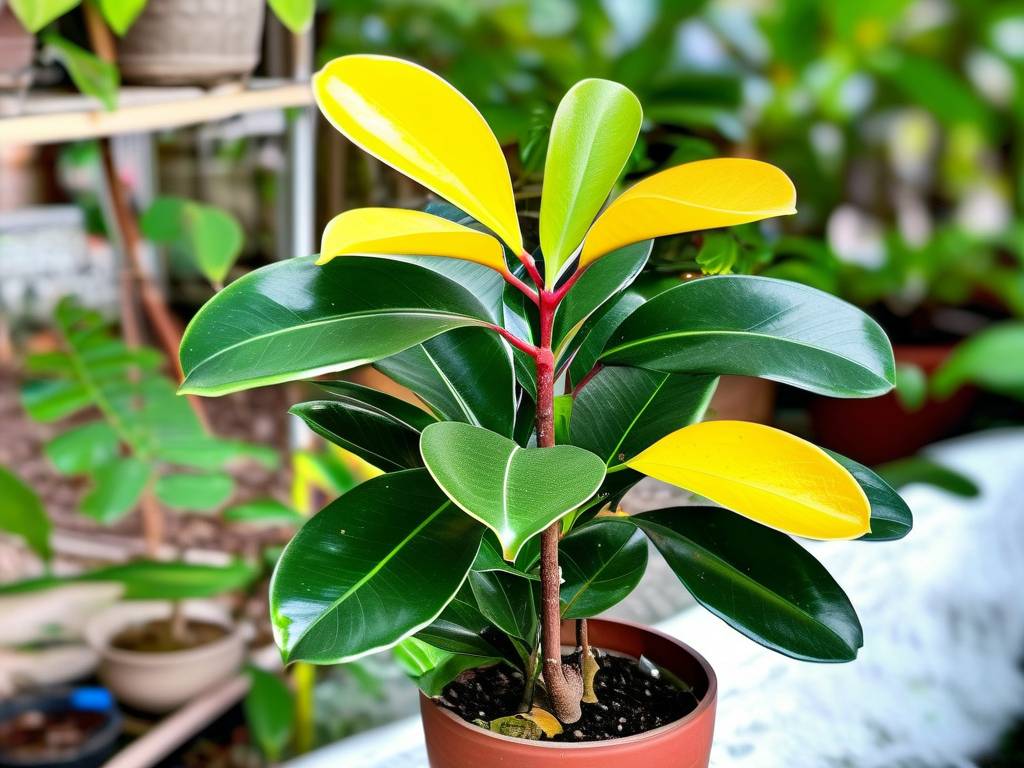
Boosting humidity is non-negotiable. Grouping several houseplants together creates a beneficial microclimate of transpired moisture. Placing the pot on a pebble tray filled with water (ensuring the pot sits above the waterline) is a highly effective, low-tech solution. For the best results, especially in large or dry rooms, use a room humidifier. The American Horticultural Society (AHS) highlights that maintaining adequate humidity is a key factor in preventing leaf drop and tip burn in tropical foliage plants during winter.
A light, lukewarm shower every month or so can also rinse dust from the leaves, improving photosynthesis, and provide a humidity boost. Just let the plant drain thoroughly afterward.
Optimizing Light and Holding Off on Fertilizer
Sunlight is scarce in winter, but it's still your plant's energy source. Maximize available light without exposing the plant to cold.
Place your Schefflera in the brightest spot possible, ideally near an east or south-facing window (in the Northern Hemisphere). Rotate the plant a quarter turn each time you water to ensure all sides receive even light and prevent lopsided growth. If natural light is very poor, supplement with a grow light. LED full-spectrum bulbs placed 12-18 inches above the plant for 6-8 hours a day can make a dramatic difference in maintaining leaf color and plant vigor.
Resist the urge to fertilize. Feeding a semi-dormant plant can lead to a harmful buildup of salts in the soil, which can burn roots and contribute to yellowing. As advised by horticultural experts, a complete pause on fertilization from late fall until early spring is standard practice. Resume feeding only when you see signs of new growth as daylight increases in spring.
Routine Inspection and Proactive Care
Weekly check-ups are more valuable in winter than in any other season. Look beyond the leaves. Inspect the undersides of leaves and stems for early signs of pests like spider mites, which thrive in dry, indoor air. Catching them early makes treatment much easier.
Gently wipe the leaves with a damp cloth every few weeks. This removes dust that blocks sunlight and improves the plant's ability to breathe and photosynthesize efficiently. Keep the area around the plant clean of fallen leaves to discourage mold and pests.
What should I do with the yellow leaves once they appear? Once a leaf has turned completely yellow, it will not regain its green color. It's best to prune it off. Use clean, sharp scissors to cut the leaf off at the stem. This allows the plant to redirect its energy to healthy growth rather than trying to sustain a non-productive leaf.
Can I use a space heater to warm my plant? Use extreme caution. Space heaters can create very hot, dry, and uneven conditions. They can easily overheat and desiccate your plant if placed too close. If you must use one to warm a room, keep the Schefflera at a safe distance and monitor humidity levels closely, as the heater will further dry the air.
My home is very dark in winter. What are my options? If increasing natural light isn't possible, a grow light is an excellent investment. Modern LED grow lights are energy-efficient and effective. Set them on a timer to provide 6-8 hours of consistent, supplemental light daily. This artificial sunlight can be the key factor in preventing leggy growth and leaf loss during the dark months.
Successfully caring for your Schefflera arboricola through winter hinges on replicating the stability of its native habitat. By prioritizing consistent warmth, adjusting your watering habits to the season, combating dry air, and maximizing light, you create a sanctuary where yellow leaves become a rarity, not the norm. Patience and observation are your greatest tools. With this tailored approach, you’ll be rewarded with a resilient, green companion that emerges from winter ready for a vibrant spring.