bluename
 How to Care for Areca Palm - Winter Warmth to Prevent Leaf Wilt
Watching your lush, feathery areca palm develop dry, wilted, or yellowing leaves as temperatures drop is a heart-sinking experience for any plant lover. This common winter struggle stems from one primary challenge: providing consistent warmth and adjusting care to mimic the palm's preferred tropical conditions. This guide will walk you through a complete winter care strategy, focusing on maintaining essential warmth to keep your areca palm vibrant and prevent the dreaded leaf wilt.
Understanding Your Areca Palm's Winter Needs
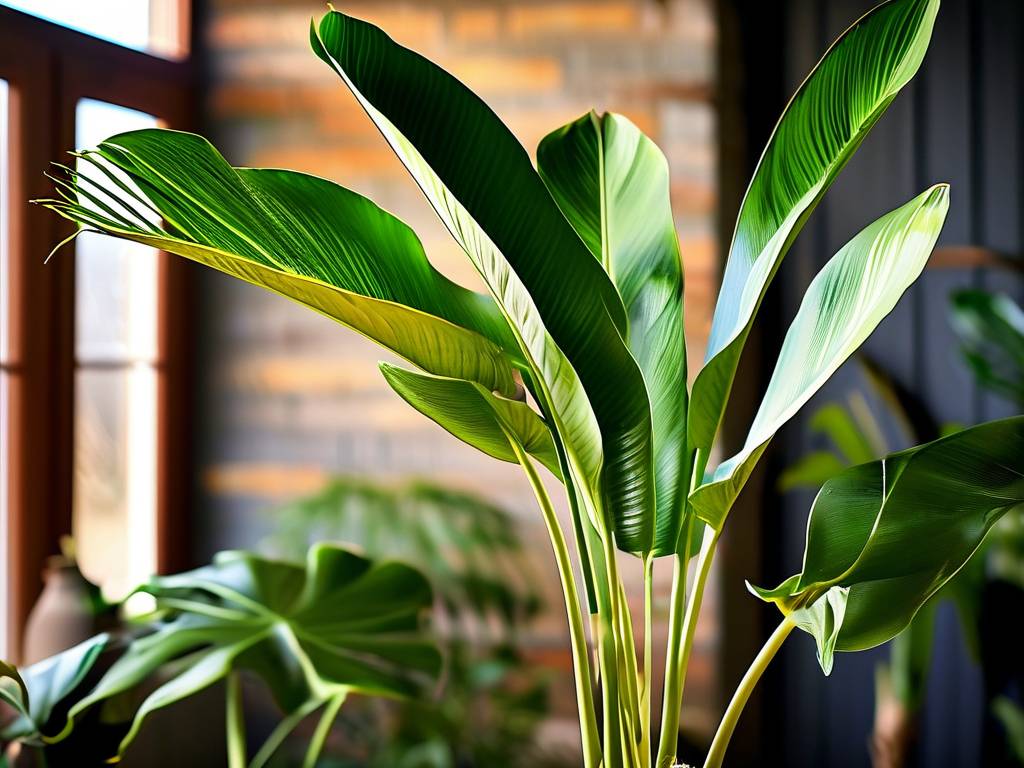
The areca palm, scientifically known as Dypsis lutescens, is native to the humid, warm climates of Madagascar. In its natural habitat, it never experiences the dry air and cold drafts common in temperate-region homes during winter. When indoor temperatures dip and heating systems run, it creates a double threat—lower ambient warmth and significantly reduced humidity. Your palm isn't just being fussy; it's responding to stressful environmental changes that can weaken it, making it susceptible to pests and disease.
The cornerstone of winter care is prevention. Proactive adjustments are far more effective than trying to revive a severely stressed plant. By understanding the interplay between temperature, humidity, light, and watering, you can create a stable microclimate for your palm.
Creating the Ideal Warm Environment
The single most important factor in preventing leaf wilt in winter is maintaining a stable, warm temperature. Areca palms thrive in temperatures between 65°F and 75°F (18°C - 24°C). Crucially, they are highly sensitive to cold drafts and sudden temperature fluctuations.
First, identify and eliminate cold drafts. Common sources include leaky windows, exterior doors, and poorly insulated walls. Use a thermal curtain or move the plant away from the window at night when temperatures plummet. Even a few hours in a cold draft can cause chilling injury, leading to blackened leaf tips and overall wilt.
Second, avoid placing your palm near direct heat sources. While it needs warmth, positioning it right next to a radiator, fireplace, or heating vent is disastrous. This direct, dry heat will rapidly parch the leaves, accelerating moisture loss and causing them to crisp and wilt. Aim for a spot with consistent, ambient warmth.
Supplemental heating can be necessary in very cold rooms. Consider using a small, thermostatically controlled space heater set to a low, steady temperature. Avoid blasting the plant with hot air; the goal is to gently warm the surrounding environment. The Royal Horticultural Society (RHS) advises that most indoor tropical plants require a minimum winter temperature of 15°C (59°F) to survive, but for healthy growth, the areca palm's higher preferred range should be your target.
Mastering Winter Watering to Avoid Root Rot
Watering habits must change dramatically in winter. The plant's growth slows, and evaporation from the soil decreases, meaning it uses far less water. Continuing your summer watering schedule is a leading cause of root rot, which manifests as yellowing, wilting leaves—symptoms often mistaken for underwatering.
The golden rule is to water deeply but infrequently. Always check the soil moisture before reaching for the watering can. Insert your finger about 2 inches into the soil. If it feels dry at that depth, it's time to water. If it's still moist, wait a few more days. Ensure your pot has excellent drainage and never let the plant sit in a saucer of standing water.
Use lukewarm water. Shocking the roots with icy cold tap water can stress the plant. Allowing the water to sit for a day to reach room temperature is ideal. The American Horticultural Society (AHS) emphasizes that overwatering in low-light, cool conditions is the most common killer of houseplants in winter. Adjusting your routine to the plant's slowed metabolism is key to preventing wilt from the roots up.
Combating Dry Air with Strategic Humidity
Indoor heating strips moisture from the air, creating a desert-like environment for your tropical palm. Low humidity causes the leaf tips and edges to turn brown and dry, giving the entire frond a wilted, crispy appearance. Boosting humidity is non-negotiable for preventing areca palm leaf wilt.
Grouping plants together is a simple and effective method. As plants transpire, they collectively raise the humidity in their immediate vicinity. Placing your areca palm near other humidity-loving plants like peace lilies or ferns creates a beneficial microclimate.
Using a humidifier is the most reliable solution. A cool-mist humidifier placed near your plant group can maintain the ideal 40-50% humidity range. For a lower-tech approach, employ a pebble tray. Fill a shallow tray with pebbles and water, and set the pot on top (ensuring the pot's base is not submerged). As the water evaporates, it increases humidity around the foliage. Lightly misting the leaves can offer a temporary boost, but it is not a substitute for sustained ambient humidity, especially in very dry homes.
Optimizing Light for Weak Winter Sun
Sunlight is weaker and days are shorter in winter. Your areca palm still needs bright, indirect light to maintain its health, but the intense direct summer sun is no longer a threat. Move the plant closer to a bright window, such as an east or south-facing exposure, to maximize available light. This helps fuel its basic processes even in its slower growth phase.
Regularly rotate the pot—a quarter turn each time you water—to ensure all sides of the plant receive even light exposure and grow symmetrically. Avoid the temptation to place it in direct, hot sun just for warmth, as this can scorch the leaves. Clean the leaves gently with a damp cloth to remove dust, allowing them to absorb all available light efficiently.
Nutrition and Maintenance in Dormancy
Fertilizing should be halted completely from late fall through winter. The plant is not actively growing and cannot use the nutrients, which will instead build up in the soil and potentially harm the roots. Resume feeding with a balanced, diluted liquid fertilizer only in early spring when you notice new growth emerging.
Continue to monitor for pests like spider mites, which thrive in warm, dry indoor air. Wilting or speckled leaves can sometimes indicate an infestation. Wipe leaves down periodically and inspect the undersides. Early intervention with insecticidal soap or neem oil is most effective.
What should I do if my areca palm's leaves have already wilted or turned brown? First, diagnose the cause. If the leaves are yellow and wilted, feel the soil. Soggy soil points to overwatering/root rot. Dry soil and crispy tips point to low humidity or underwatering. Trim away only the completely brown or dead parts of the fronds with clean shears. Do not remove entire green fronds, as they can still photosynthesize. Address the underlying environmental issue—adjust temperature, watering, or humidity—and the plant will focus energy on new, healthy growth.
Can I use a heat lamp or grow light for warmth and light in winter? While grow lights are excellent for supplementing low light, they are not designed primarily as heat sources. An LED grow light will provide essential light without emitting much heat. For warmth, a thermostatically controlled space heater is safer and more effective than a heat lamp, which can create an overly hot, drying spot and pose a fire risk if placed too close to foliage. The goal is ambient warmth, not directed heat.
Is it normal for my areca palm to drop a few lower leaves in winter? A small amount of older, lower leaf shedding can be normal as the plant conserves resources. However, significant leaf drop or wilting across the plant is a clear distress signal. This typically indicates the plant is too cold, has experienced a severe draft, or is sitting in waterlogged soil. Assess its position and care routine immediately to stabilize its conditions.
Successfully nurturing an areca palm through winter hinges on replicating the steady warmth and humidity of its origins. By vigilantly guarding against cold drafts, recalibrating your watering to the season, and actively combating dry air, you create a sanctuary where wilt is prevented before it starts. Observe your plant closely; its leaves are the best indicators of its comfort. With these focused adjustments, your areca palm will not just survive the winter but remain a thriving, graceful centerpiece in your home until the growing season returns.