bluename
 How to Care for Hawaii Palm - Winter Warmth to Prevent Yellow Leaves
Seeing your beloved Hawaii Palm (Brighamia insignis) develop yellow leaves as temperatures drop is a heart-sinking experience for any plant enthusiast. This unique succulent, native to the coastal cliffs of Hawaii, is particularly vulnerable to environmental stress, with improper winter care being a primary culprit for leaf discoloration and decline. Mastering the art of providing consistent winter warmth to prevent yellow leaves is not just a tip; it's essential for the survival of this endangered species in your home. This guide will walk you through a comprehensive, step-by-step approach to winter care, ensuring your Hawaii Palm remains vibrant and healthy through the colder months.
Understanding the Hawaii Palm's Winter Crisis
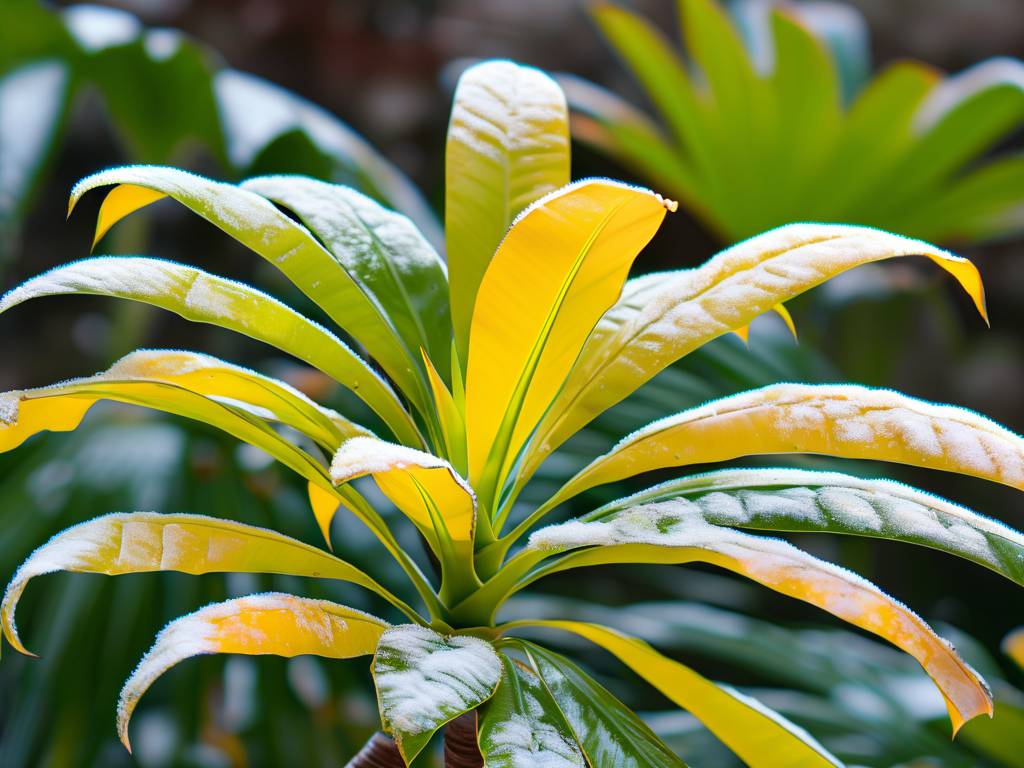
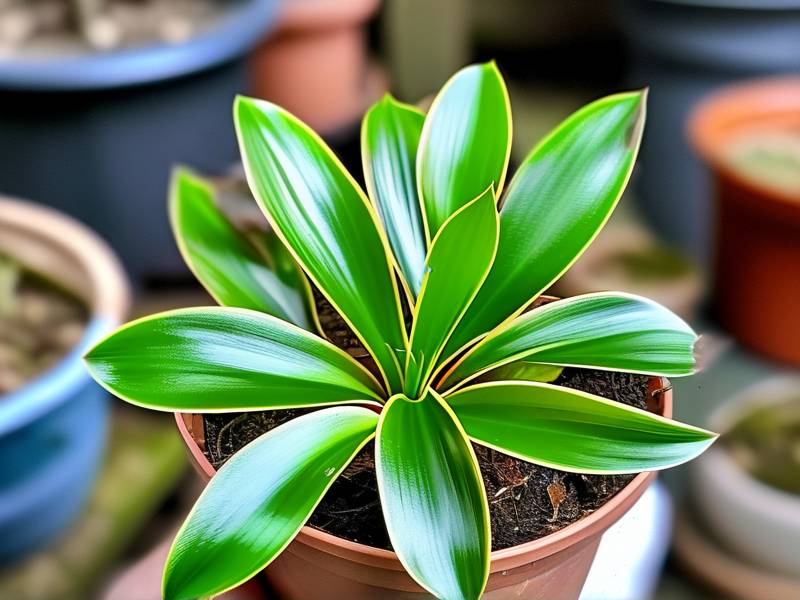
The Hawaii Palm isn't a true palm but a remarkable succulent. In its native habitat, it enjoys consistent, warm temperatures, bright light, and oceanic humidity. Winter indoors presents a triple threat: cold drafts, reduced sunlight, and dry air from heating systems. This combination shocks the plant, disrupting its physiological processes.
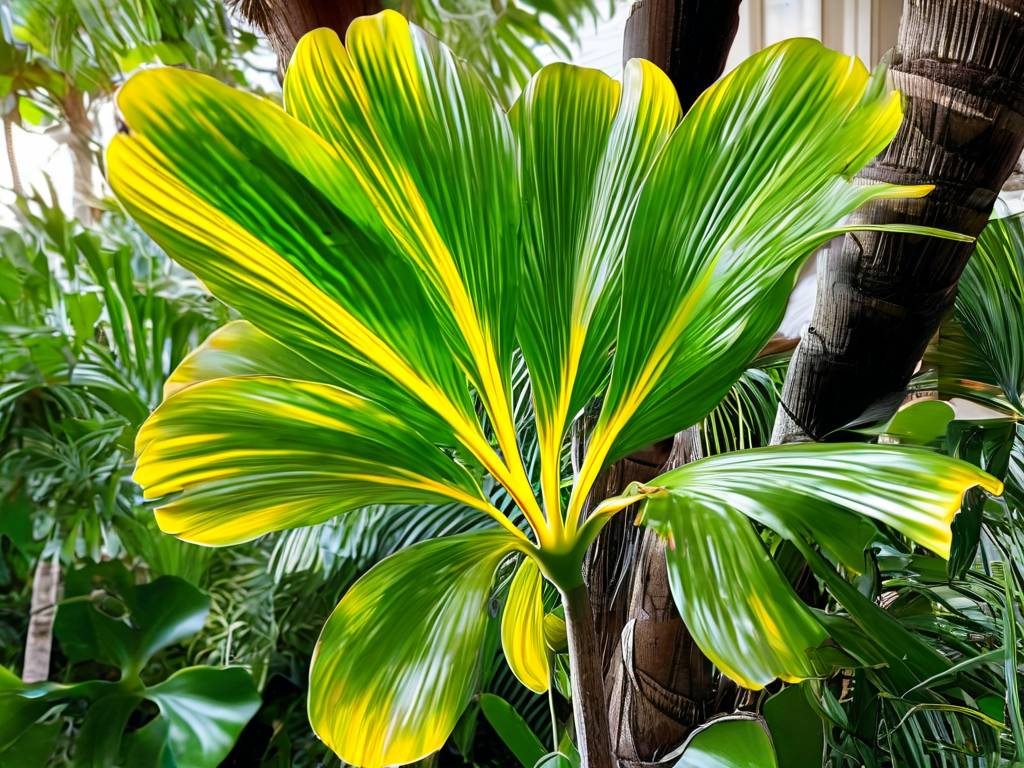
When exposed to temperatures below 60°F (15°C), the plant's cellular activity slows. Nutrient and water uptake through the roots becomes inefficient. The leaves, unable to sustain themselves, begin to break down chlorophyll, leading to the telltale yellowing. This is often the first sign of cold stress, which can progress to leaf drop, stem rot, and if unaddressed, the loss of the plant.
Creating the Ideal Warm Winter Microclimate
Your primary mission is to replicate a stable, warm Hawaiian coast environment. This goes beyond just turning up the thermostat.
Temperature: The Non-Negotiable Foundation Consistency is key. Maintain an ambient temperature between 65°F and 75°F (18°C - 24°C) at all times. Avoid placing the plant near frequently opened doors, single-pane windows, or air vents. A sudden blast of cold air can cause significant shock. Consider using a digital thermometer near the plant to monitor conditions. As noted by horticulturists from the American Horticultural Society (AHS), tropical succulents like Brighamia insignis enter a state of suspended growth when chilled, making them susceptible to opportunistic root diseases.
Strategic Placement for Light and Heat Place your Hawaii Palm in the brightest spot possible—a south or west-facing window is ideal. The sunlight provides natural warmth. If your windows are drafty, create a buffer by moving the plant a few feet away or using a insulating curtain at night. For homes with radiant floor heating, ensure the pot is not in direct contact with an overly hot floor, which can bake the roots.
Employing Supplemental Warmth Safely If your room is naturally cool, supplemental heat may be necessary. Avoid placing space heaters directly next to the plant, as the dry, intense heat can desiccate leaves. Instead, use a gentle heat mat designed for seed starting placed under the pot. This provides bottom warmth to the root zone, which is often more effective than warming the air. Always use a thermostat with the heat mat to prevent overheating.
The Critical Role of Humidity Warm winter air is often dry air. Low humidity stresses the Hawaii Palm, causing leaf tips to brown and curl, compounding yellowing problems. Aim for 50-60% humidity. You can achieve this by:
- Using a room humidifier placed nearby.
- Setting the pot on a wide pebble tray filled with water (ensure the pot sits above the waterline).
- Grouping it with other humidity-loving plants to create a microclimate.
Adjusting Water and Nutrition for Dormancy
A major mistake in Hawaii Palm winter care is maintaining a summer watering schedule. The plant's water needs plummet in lower light and cooler conditions.
The Winter Watering Protocol The "soak and dry" method remains crucial but with extended dry periods. Before watering, always check the soil moisture. Insert your finger 2-3 inches into the potting mix. Water thoroughly only when the soil is completely dry at that depth. This may mean watering only once every 3-4 weeks, or even longer. Overwatering in winter is the fastest route to root rot, which manifests as widespread yellowing and a soft, unstable caudex (swollen trunk).
Feeding: A Complete Pause Fertilizer application should cease entirely from late fall through early spring. The plant is not actively growing and cannot utilize the nutrients, which will instead accumulate in the soil and potentially harm the sensitive roots. Resume feeding with a balanced, diluted fertilizer only when you observe new growth in the spring.
Proactive Monitoring and Pest Prevention
Winter stress weakens the Hawaii Palm, making it a target for pests like spider mites, which thrive in dry conditions.
Regular Leaf Inspections Weekly, inspect the undersides of leaves and the stem for signs of pests. Look for fine webbing, tiny moving dots, or sticky residue. The increased humidity from your efforts will help deter mites, but vigilance is key.
Early Intervention If pests are spotted, isolate the plant immediately. Wipe leaves with a soft cloth dampened with a solution of mild soap and water, or use an insecticidal soap or neem oil spray, applying it in the evening to prevent leaf burn.
Troubleshooting Yellow Leaves: A Diagnostic Guide
Not all yellow leaves have the same cause. Here’s how to diagnose and act:
- Lower, Older Leaves Yellowing Slowly: This can be a natural process of senescence, especially if it's one leaf at a time. Ensure your care is optimal and remove the leaf once it's fully yellow.
- Multiple Leaves Yellowing, Often with Drooping: This is classic overwatering or cold root stress. Check soil moisture and temperature immediately. Improve drainage and warmth.
- Yellow Leaves with Brown, Crispy Edges: This signals low humidity or underwatering. Check your humidity levels and review your watering schedule.
- Sudden, Widespread Yellowing: This is often due to a severe cold draft or acute overwatering. Assess the plant's location and soil condition urgently.
My Hawaii Palm has several yellow leaves. Should I remove them? Yes, carefully prune away fully yellowed or dying leaves. This helps the plant redirect energy to healthy growth and prevents potential sites for disease. Use clean, sharp scissors and cut close to the stem.
What is the absolute minimum temperature a Hawaii Palm can tolerate? Brief exposure to 55°F (13°C) may be survivable, but it is a serious risk. Sustained temperatures below 60°F (15°C) will induce stress and likely cause yellowing and leaf drop. The goal is to avoid the minimum, not test it.
Can I use a grow light to provide both light and warmth? Yes, a quality LED or fluorescent grow light is an excellent solution for providing winter warmth and preventing yellow leaves. It compensates for low sunlight and emits a gentle warmth. Keep the light on for 10-12 hours a day, positioned 6-12 inches above the plant to prevent etiolation (stretching). This combination of light and mild heat is one of the most effective strategies for indoor winter care.
Caring for a Hawaii Palm in winter is an exercise in proactive stewardship. By prioritizing stable, warm temperatures, adjusting your watering habits, and boosting humidity, you create a sanctuary that shields this special plant from seasonal stress. The reward is a thriving, green Brighamia insignis that not only avoids yellow leaves but continues to be a stunning, living piece of the tropics in your home. Remember, its resilience is bolstered by your consistent and informed care.