bluename
 How to Care for Curly Bamboo (Hydroponic): A Complete Guide to Thriving Lucky Bamboo
You’ve brought home a beautiful curly bamboo plant, its spiraling stalks promising good fortune and a touch of serene greenery. But now, you’re staring at the vase, wondering how to keep it alive without soil. Is tap water okay? Why are the leaves turning yellow? Hydroponic curly bamboo, often sold as lucky bamboo, is famously resilient, but it still has specific needs to flourish. Neglecting these can lead to a slow decline. This guide will walk you through every step, from water quality to light placement, ensuring your plant not only survives but thrives in its water-based home.
Understanding Your Curly Bamboo Plant
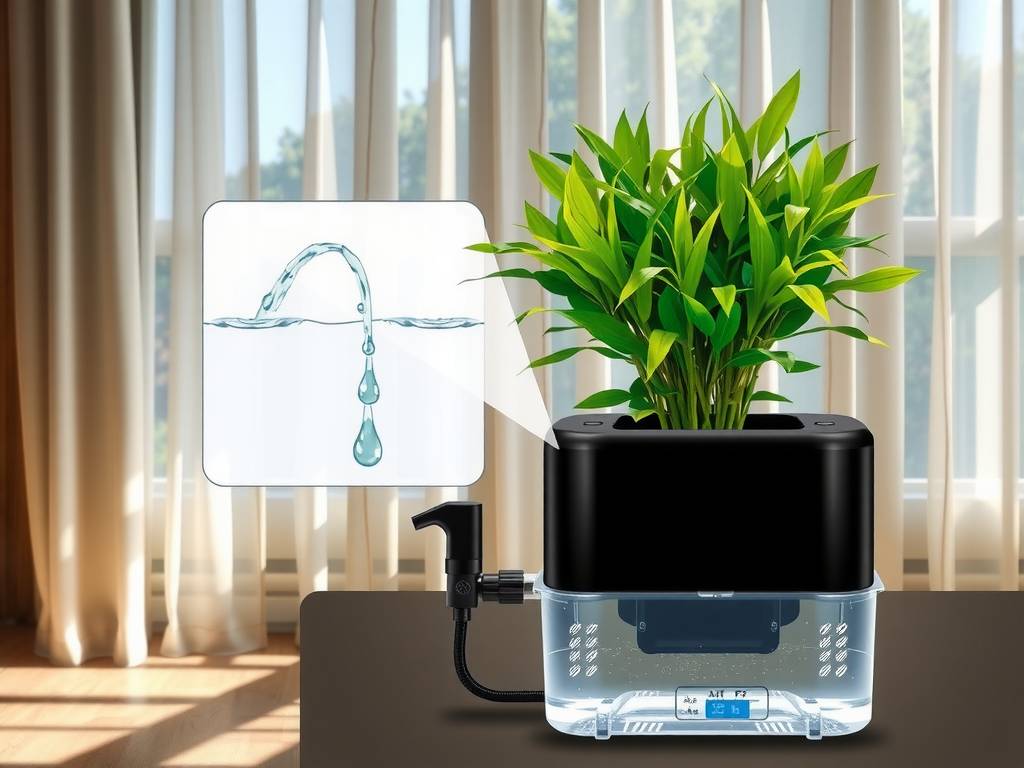
First, let’s clarify what we’re growing. The plant commonly known as curly bamboo or lucky bamboo isn’t a true bamboo at all. Its botanical name is Dracaena sanderiana. This distinction is important because it explains its care needs. Unlike true bamboos, which are vigorous grasses, Dracaena sanderiana is a tropical understory plant adapted to gentle, filtered light and consistent moisture. Its ability to grow in water makes it a perfect hydroponic candidate for homes and offices.
The Three Pillars of Hydroponic Curly Bamboo Care
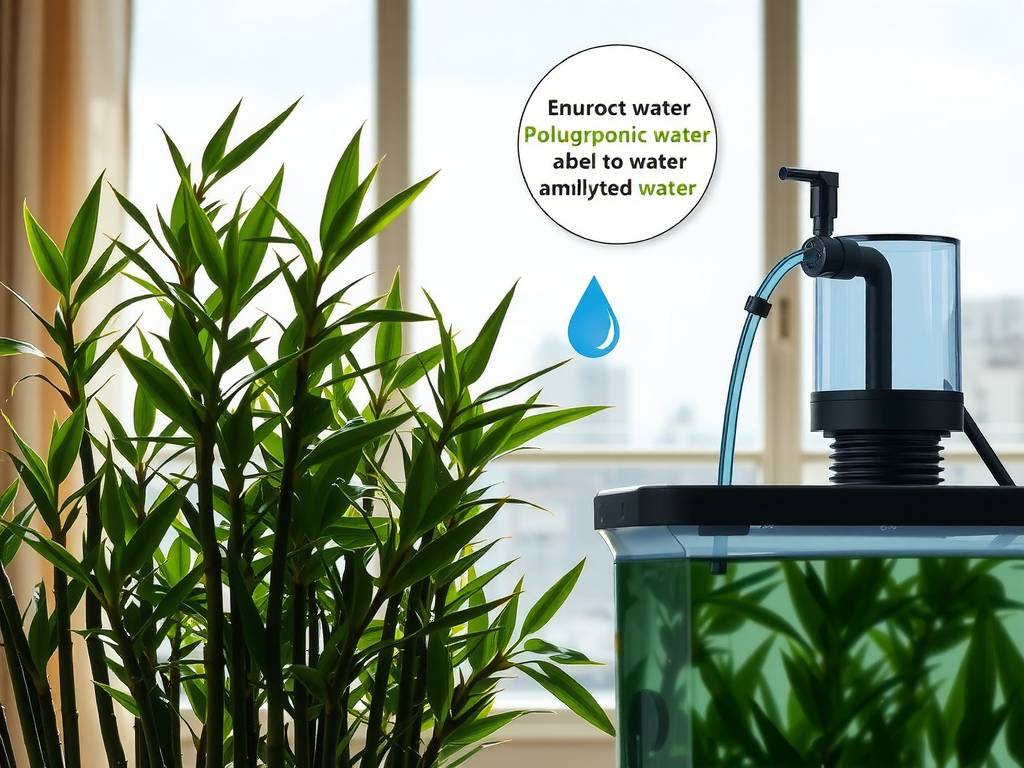
Success with your plant rests on three non-negotiable pillars: the right light, the purest water possible, and simple, consistent maintenance. Get these right, and you’ll have a companion for years.
Providing the Perfect Partial Shade Environment
The single most common mistake is placing curly bamboo in direct, harsh sunlight. Remember its origins as a forest floor plant.
Direct sun will scorch the leaves, causing unsightly brown or yellow patches. The ideal spot is in bright, indirect light or partial shade. A north or east-facing windowsill is often perfect. A spot a few feet back from a south or west window, filtered by a sheer curtain, also works beautifully.
If you only have a low-light area, don’t worry. Curly bamboo is tolerant and will grow slower. Rotate the vase a quarter turn each week to ensure all sides receive even light and prevent the plant from leaning toward the light source. Artificial office or home lighting is usually sufficient to maintain the plant, though growth may be minimal.
The Critical Rule: Always Avoid Polluted Water
This is the cornerstone of hydroponic health. Your plant’s roots are directly immersed in its water source, making quality paramount.
Never use tap water without treatment. Tap water typically contains chlorine, chloramines, and fluoride. These chemicals, safe for us, are toxic to curly bamboo over time, leading to brown leaf tips and stunted growth. Letting water sit for 24 hours allows chlorine to evaporate, but it won’t remove chloramines or fluoride.
The best practice is to use filtered water, distilled water, or collected rainwater. These options are free of harmful additives. As noted by horticulturist Dr. Linda Chalker-Scott, “Many houseplants, including Dracaena species, are sensitive to mineral buildup and chemicals in tap water. Using purified water can prevent a host of leaf-quality issues.”
Change the water completely every one to two weeks. Stagnant water becomes a breeding ground for bacteria and algae, which will rot the stalks. When changing, gently rinse the roots and the container to remove any slimy film. Refill with fresh, clean water of your chosen type.
Your Easy Hydroponic Care Routine
With light and water mastered, maintenance is straightforward. Here’s your simple weekly and monthly routine.
Weekly Check: Observe the water level. It should always cover the roots by an inch or two. Top up with clean water if it gets low between full changes. Check the leaves for dust and gently wipe them with a damp cloth to keep them breathing and photosynthesizing efficiently.
Monthly Care: During your full water change, this is the time for a mini health inspection. Look for any soft, mushy, or discolored stalks—a sign of rot. If found, remove them immediately to protect the healthy ones. Trim any yellowing leaves at the stem with clean scissors.
Feeding: Hydroponic plants need nutrients since they aren’t getting them from soil. Use a single drop of a very mild, water-soluble liquid fertilizer every other month. A formula for hydroponics or a general houseplant fertilizer diluted to a quarter strength is perfect. Over-fertilizing is a major risk, so less is absolutely more.
Advanced Tips for Lush Growth and Troubleshooting
Want to encourage more curls or handle common problems? These pro tips will help.
To maintain or encourage the iconic curly shape, you need to control the light source directionally. Growers achieve this by rotating the plant and using specialized light boxes. At home, you can try placing it in a spot where light comes consistently from one side; the plant will gradually bend toward it. Rotate it slowly over time to create a gentle spiral.
Troubleshooting Common Issues:
- Yellow Leaves: This is the most common alarm. Lower, older leaves yellowing naturally is normal. If many leaves or new growth is yellowing, the causes are usually over-fertilization, too much direct sun, or, most frequently, poor water quality.
- Brown Leaf Tips: Almost exclusively a sign of chemicals (fluoride/chlorine) or salts in the water. Switch to distilled or filtered water immediately.
- Soft, Mushy Stalks: This is root or stalk rot, caused by bacteria in stagnant water or a contaminated container. Remove the affected stalk, clean the vase thoroughly, and change to a fresh water regimen.
- Algae Growth: Algae in the vase isn’t immediately harmful but competes for resources. It indicates too much light on the water and infrequent changes. Use an opaque container or keep the vase out of direct light, and stick to your bi-weekly cleaning schedule.
Can I plant my hydroponic curly bamboo in soil? Yes, you can transition it to a well-draining potting mix. Keep the soil consistently moist for the first few months as the roots adapt from water to soil. However, it thrives perfectly well in water indefinitely if cared for properly.
Why are the stems of my curly bamboo turning yellow? A yellowing stem is a serious sign, often indicating rot from contaminated water or a dead stem. Check for mushiness. If the stem is firm, review your water source and fertilizer use. If soft, it’s best to remove that stalk to save the others.
How fast does hydroponic curly bamboo grow? In ideal conditions with good light and clean water, you can expect modest growth. It might produce a few new leaves and gain a couple of inches in height over a growing season. Its growth in water is generally slower and more controlled than in soil, which is often desirable for its decorative role.
Caring for curly bamboo hydroponically is a practice in simplicity and consistency. By providing the gentle embrace of partial shade, vigilantly avoiding polluted water, and sticking to an easy care routine, you create the perfect environment for this graceful plant. It asks for so little yet adds so much life and calm to a space. Watch it closely, respond to its subtle cues, and you’ll be rewarded with a long-lasting symbol of resilience and good fortune.