bluename
 How to Care for Lucky Bamboo (Hydroponic): A Complete Guide for Thriving Plants
You’ve brought home a beautiful stalk of Lucky Bamboo, drawn to its elegant simplicity and promise of good fortune. But after a few weeks, you might notice the leaves turning yellow, the water getting cloudy, or growth stalling. Don’t worry—you’re not alone. Many plant lovers struggle with keeping their hydroponic Lucky Bamboo vibrant. The good news? With a few simple, consistent care steps focused on light, water, and nutrients, you can easily master how to care for Lucky Bamboo (hydroponic) and enjoy its serene beauty for years.
This guide cuts through the confusion, providing clear, actionable advice to transform you from a concerned plant owner into a confident Lucky Bamboo expert.

Understanding Your Hydroponic Lucky Bamboo
First, let’s clarify: Lucky Bamboo (Dracaena sanderiana) isn’t true bamboo. It’s a resilient member of the Dracaena family, perfectly adapted to growing in water rather than soil. Its hydroponic nature is what makes it so popular for homes and offices—it’s clean, modern, and low-maintenance when you understand its needs. The key to success lies in mimicking its ideal conditions: stable, clean water and gentle, filtered light.
The Golden Rule: Perfect Water for Hydroponic Growth
The water is your plant’s lifeline. Getting this right solves most common problems.
Choose and Prepare Your Water Tap water is the most common culprit for unhappy Lucky Bamboo. Chemicals like chlorine, chloramine, and fluoride, added for public health, can burn the leaf tips and cause yellowing. For the healthiest plant, use filtered, distilled, or rainwater. If you must use tap water, let it sit uncovered for 24 hours to allow some chemicals to evaporate. Always use water at room temperature to avoid shocking the delicate roots.
Maintain Water Clarity and Level Avoid turbid water at all costs. Murky water is a sign of bacterial or algal growth, which can rot the stems. To prevent this:
- Change the water completely every two weeks.
- Rinse the vase and the plant’s roots gently under lukewarm water during each change.
- Clean any decorative rocks or pebbles to remove biofilm.
- Maintain the water level to cover just 1-3 inches of the roots. Submerging too much of the stem can lead to rot.
Provide Essential Nutrients In a hydroponic setup, your plant relies entirely on you for food. A single drop of liquid houseplant fertilizer every month is sufficient. Use a diluted, balanced fertilizer. Over-fertilizing is a fast track to burned, yellow leaves—less is truly more.
The Ideal Environment: Light and Placement
Prefer Partial Shade Conditions Lucky Bamboo thrives in partial shade. This means bright, indirect light. Think of the dappled light under a tree canopy.
- Ideal Spot: Place it near an east-facing window or a few feet back from a south- or west-facing window with a sheer curtain.
- Signs of Too Much Light: If the leaves look faded, scorched, or are turning brown at the edges, the light is too harsh. Move the plant further from the window.
- Signs of Too Little Light: Slowed growth and a loss of the rich green color indicate insufficient light. Move it to a brighter room, but still avoid direct sun.
Stable Temperature is Key Keep your plant in a room between 65°F and 90°F (18°C-32°C). Avoid placing it near drafty windows, air conditioning vents, or heating radiators, as sudden temperature swings cause stress.
Advanced Care for Long-Term Health
Pruning and Shaping To maintain a tidy appearance, trim any yellowing stems or leaves at the base with clean, sharp scissors. To encourage bushier growth, you can trim the main stalk just above a node (the raised ring on the stalk). New shoots will emerge from just below the cut.
Propagating New Plants One of the joys of Lucky Bamboo is easy hydroponic growth. You can grow new plants from cuttings:
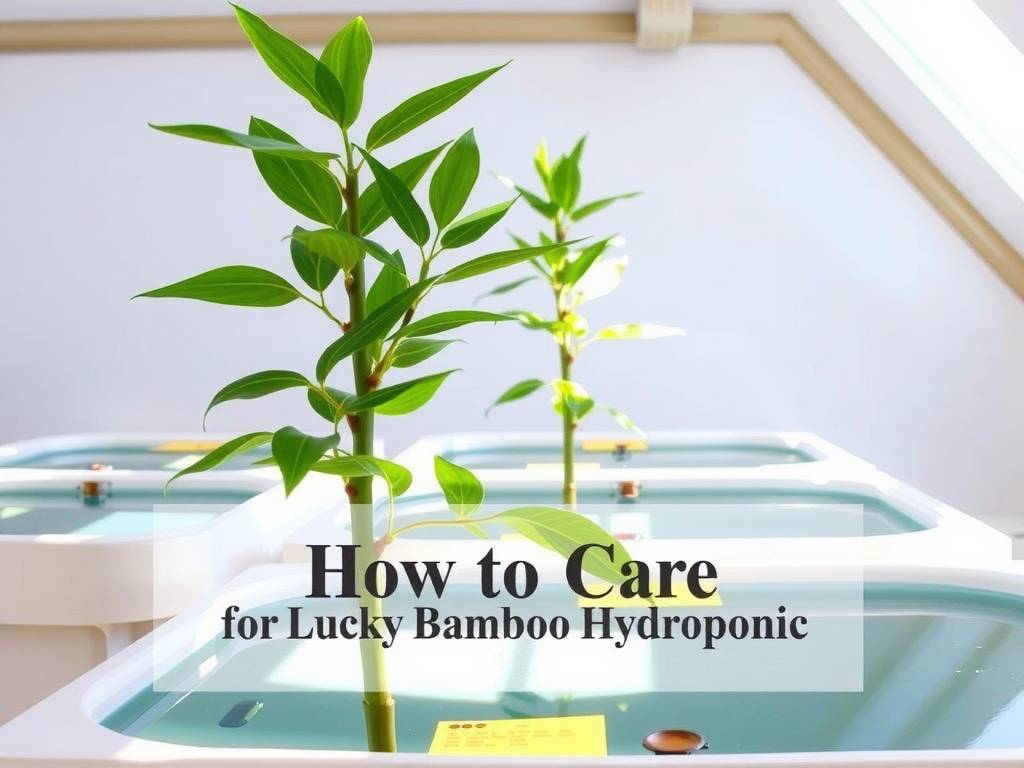
- Select a healthy green stalk and, using sterile shears, cut a section that includes at least one node.
- Place this cutting in a small vase of fresh water.
- New roots will typically emerge from the node within a few weeks. Once the roots are established, care for it as you would a mature plant.
Troubleshooting Common Issues
- Yellow Leaves: This is the most common alarm. Causes include too much direct sun, chemical-laden water, or over-fertilization. Diagnose by checking your plant’s location and your recent care routine.
- Brown Leaf Tips: Usually a sign of chemicals in the water or low humidity. Switch to filtered water and consider misting the leaves occasionally.
- Slow or No Growth: Often due to low light or insufficient nutrients. Move to a brighter location (indirect light only) and ensure you’re providing a monthly diluted fertilizer.
- Mushy or Smelly Stems: This indicates stem rot, usually from contaminated water or the stem being submerged too deeply. Immediately cut away the mushy part above a healthy node, change the water, and clean the container thoroughly.
Why are the leaves on my Lucky Bamboo turning yellow? Yellow leaves are typically a stress signal. The most frequent causes are exposure to direct sunlight, which scorches the leaves, or the presence of chlorine and fluoride in tap water. Check your plant’s placement and switch to filtered water. Also, ensure you are not over-fertilizing, as this can chemically burn the roots.
Can I use tap water for my hydroponic Lucky Bamboo? You can, but it’s not ideal. If tap water is your only option, let it sit in an open container for 24 hours before using it. This allows some chlorine to dissipate. However, fluoride does not evaporate and can still cause damage over time. For the healthiest plant, filtered or distilled water is the best choice to avoid turbid water and chemical buildup.
How often should I fertilize my plant in water? Fertilize very sparingly. Adding just one drop of a mild liquid fertilizer to the water once a month during the growing season (spring and summer) is sufficient. In fall and winter, you can reduce or skip fertilizing altogether as the plant’s growth naturally slows. Over-fertilization is a common mistake that leads to yellowing.
Caring for Lucky Bamboo hydroponically is a simple, rewarding practice once you master the fundamentals. By providing clean, chemical-free water, placing it in gentle partial shade, and offering minimal nutrients, you support its natural easy hydroponic growth. This resilient plant asks for so little yet adds a profound sense of calm and vitality to any space. With consistent care, your Lucky Bamboo will not only survive but thrive, becoming a long-lasting symbol of prosperity and peace in your home.