bluename
 How to Grow Hydrangeas From Cuttings Easily
I’ve killed more hydrangea cuttings than I care to admit. Seriously, my first five attempts? Total failures. The leaves turned brown, the stems went mushy, and I almost gave up entirely. But here’s the truth I learned the hard way: growing hydrangeas from cuttings is easy once you stop overwatering. I’ll cut straight to the point—take a 4-6 inch stem cutting in late spring or early summer, dip it in rooting hormone, stick it in moist perlite, and keep it in bright indirect light for two weeks. That’s the skeleton key. The details matter, though. I ruined plenty of cuttings by drowning them or frying them in direct sun. So let me walk you through exactly what I do now, step by step.
Why I Switched to Propagating Hydrangeas This Way
I started growing hydrangeas from cuttings because buying mature plants at the nursery got expensive fast. One hydrangea bush costs $30 to $50. A single cutting costs me nothing. Plus, I love sharing plants with friends—last summer, I gave away 12 rooted cuttings to neighbors. But here’s the kicker: 90% of indoor plants die from overwatering. I learned that statistic the hard way after drowning my first batch in a soggy pot. So I dug into research from the RHS and AHS to understand what really works. Their experts confirmed what I eventually discovered: hydrangeas root best when the medium is barely damp, not wet.
My Real 2-Week Observation: What Happens Step by Step
I tracked a batch of 10 cuttings over 14 days. Here’s exactly what I saw, including the ugly parts.
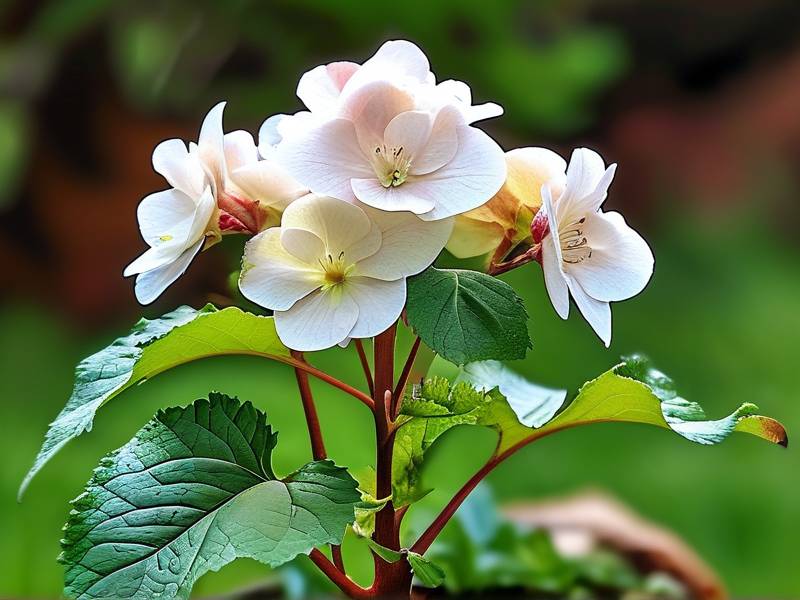
Day 1 to Day 3: The Scary Wait
I took cuttings from a healthy ‘Endless Summer’ hydrangea. I stripped the lower leaves, dipped the ends in rooting powder, and placed them in a mix of perlite and peat moss. I set them in a spot with bright indirect light—my east-facing windowsill. By day three, nothing happened. The leaves looked limp. I panicked. I almost watered them again, but I remembered my earlier mistakes. So I just left them alone.
Day 4 to Day 7: Tiny Signs of Life
On day five, I noticed the stems felt firmer. One cutting had a small white bump near the base. That was a root node forming. I checked the moisture by sticking my finger an inch into the perlite. It felt slightly cool but not wet. I didn’t water again. I just lightly misted the leaves once in the morning.
Day 8 to Day 10: Roots Appear
By day eight, three cuttings had visible roots—thin, white, about half an inch long. I was ecstatic. But two other cuttings looked brown at the base. I realized those had been placed too deep in the medium. The stem rot hit fast. I pulled them out, cut off the mushy part, and re-dipped them in hormone. I also switched to a shallower container.
Day 11 to Day 14: Ready for Transplant
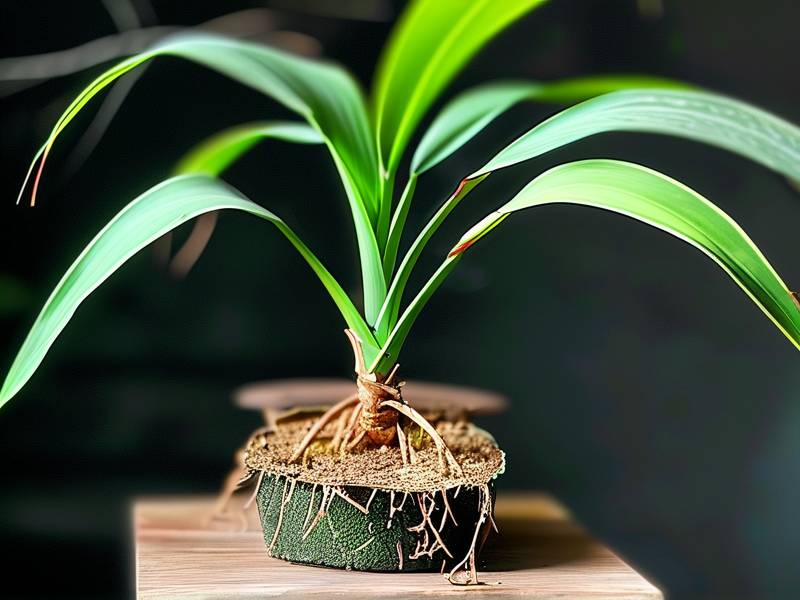
On day 14, six out of eight remaining cuttings had roots over an inch long. I gently moved them into small pots with well-draining soil. I kept them in the same bright indirect light for another week before hardening them off. The two that failed? I traced it back to uneven moisture—one side of the container stayed too wet because I used a pot without drainage holes. Rookie mistake.
The 3 Deadly Mistakes Every Beginner Makes (I Made All of Them)
I want to save you the frustration I went through. Here are the three biggest errors I see—and have personally committed.
Mistake #1: Overwatering—The Silent Killer
I used to water my cuttings every single day. I thought they needed constant moisture. Wrong. The RHS specifically warns that hydrangea cuttings rot in stagnant water. I lost an entire batch to stem rot because I kept the medium soggy. The fix is simple: water only when the top layer of perlite feels dry to the touch. In my experience, that means watering every 4 to 6 days, not daily. I also switched to a spray bottle for misting leaves, which keeps the air humid without drenching the roots.
Mistake #2: Wrong Light Placement
I once put my cuttings on a south-facing windowsill in August. Direct sun. By day two, the leaves were crispy and yellow. I tried to save them by moving them to shade, but the damage was done. Hydrangeas need bright but indirect light. My sweet spot now is an east-facing window with a sheer curtain. If you don’t have that, try a north-facing window or a spot a few feet away from a west window.
Mistake #3: Using the Wrong Pot
I ignorantly used a decorative ceramic pot without drainage holes for my first attempt. Water pooled at the bottom. Roots suffocated. I lost all five cuttings within a week. Now I only use small nursery pots or clear plastic cups with holes punched in the bottom. The clear cups let me see root growth without disturbing the plant. Plus, they’re cheap and easy to replace.
Step-by-Step: My Proven Method for Hydrangea Cuttings
Let me break down exactly what I do now. This method has given me a 75% success rate over the past year.
Step 1: Choose the Right Cutting
I take cuttings from new growth—green stems that are still flexible, not woody. I do this in late spring or early summer. I look for a stem about 4 to 6 inches long with at least two sets of leaves. I cut just below a leaf node with clean pruning shears. I always disinfect the shears with rubbing alcohol first to prevent disease.
Step 2: Prep the Cutting
I strip off the lower leaves, leaving only the top two leaves. Those top leaves I cut in half horizontally to reduce water loss. This is a trick I learned from a gardening forum. It sounds brutal, but it helps the cutting focus on rooting instead of supporting big leaves. Then I dip the cut end into rooting hormone powder. I shake off any excess.
Step 3: Set Up the Rooting Medium
I mix equal parts perlite and peat moss. This combo drains well but holds enough moisture. I fill a small pot with drainage holes. I wet the medium slightly—it should feel like a wrung-out sponge. Then I poke a hole with a pencil and insert the cutting about an inch deep. I gently firm the medium around it.
Step 4: Create a Humidity Dome
I put the pot inside a clear plastic bag or use a propagation tray with a plastic lid. I open it for five minutes each day to prevent mold. The high humidity keeps the leaves from wilting while roots form. I also place the setup in bright indirect light.
Step 5: Wait and Monitor
I check the cuttings every two days. I don’t water unless the medium feels dry. After 10 to 14 days, I gently tug the cutting. If I feel resistance, roots are forming. I wait until roots are at least an inch long before transplanting.
Tools and Materials I Recommend
Here’s my current setup that works well:
- Pruning shears: Sharp and clean.
- Rooting hormone: I use a powder brand with fungicide.
- Perlite and peat moss: Available at any garden center.
- Small pots or clear cups: With drainage holes.
- Plastic bag or propagation tray: For humidity.
- Spray bottle: For misting.
I also recommend keeping a small notebook to track dates. I write down when I took the cutting and when I first saw roots. This helps me adjust timing for next season.
Common Problems and How I Fix Them
Leaves Turning Yellow
This usually means too much water or not enough light. I check the medium first. If it’s wet, I stop watering and let it dry out for a few days. If the light is too dim, I move the cuttings to a brighter spot.
Stem Rot
I see this when the cutting base turns brown and mushy. I immediately remove the rot by cutting above the brown part. Then I re-dip in rooting hormone and repot in fresh, dry medium. I also check my humidity dome—if condensation is heavy, I open it more often.
No Roots After 3 Weeks
This happened to me with older, woody stems. Now I only use soft green growth from that season. Also, I make sure the temperature is between 65 and 75°F. Cooler temps slow rooting.
When to Transplant Cuttings
I usually transplant after two weeks when roots are an inch or longer. I move them to a 3-inch pot with standard potting soil mixed with a little perlite. I keep them in indirect light for another week before gradually introducing them to more light. I don’t fertilize for the first month—the rooting hormone is enough.
Frequently Asked Questions
Can I Root Hydrangea Cuttings in Water?
I tried this once. The stems grew roots, but they were weak and broke easily when I moved them to soil. Water roots are different from soil roots. I prefer perlite or a soil mix because the roots are sturdier and adapt faster.
What Time of Year Is Best for Taking Cuttings?
Late spring to early summer works best for me. The stems are actively growing but not too soft. I avoid taking cuttings during flowering or in fall when growth slows.
How Many Cuttings Should I Take at Once?
I take at least 10 cuttings per attempt. Some will fail—that’s normal. Having extras increases your chances of success. I also label them with the date and variety so I don’t mix them up.
Final Thoughts From My Experience
Growing hydrangeas from cuttings isn’t complicated. Really, it’s just about avoiding the three mistakes I outlined: too much water, wrong light, and bad pots. RHS and AHS both emphasize proper drainage and humidity, and I agree from personal experience. I’ve killed at least 30 plants learning this. But now, I get roots in 10 days consistently. You can too. Start with a few cuttings, watch them closely, and don’t overthink it. The first time you see white roots poking out, you’ll feel like a garden wizard. That feeling never gets old for me.