bluename
 Best Fertilizer for Hydrangeas to Bloom Big
I killed my first hydrangea by feeding it the wrong stuff. Seriously. That plant looked pitiful. Small blooms. Pale leaves. It was a total mess. I learned the hard way that the best fertilizer for hydrangeas to bloom big isn't just any bag from the garden center. You need the right balance. After two weeks of testing a new routine, I saw buds double in size. The color deepened. My neighbors started asking questions. So let me save you the trouble I went through. Here’s the straight answer: use a slow-release fertilizer with a ratio around 10-30-10 (low nitrogen, high phosphorus). That’s it. Stick with that. Everything else comes second.
I’ll walk you through my exact steps. The mistakes I made. And what happens when you fix them.
My Hydrangea Was a Disaster Before I Fixed This
I remember buying my first bigleaf hydrangea. It was gorgeous at the nursery. I brought it home all excited. Within a month, the leaves turned yellow. The blossoms were the size of golf balls. I was so frustrated. I tried everything. More water. Less water. Some random blue powder from a friend. Nothing worked.
Then I started reading. I dug into advice from the RHS and AHS. I realized I was making classic rookie mistakes. The kind that kill blooms before they even start. Let me break down the three biggest ones I see all the time.
The First Deadly Mistake: Overwatering
Honestly, this is the number one killer. 90% of indoor plants die from overwatering. But outdoor hydrangeas suffer the same fate. I used to water mine every day. I thought I was being helpful. Instead, I drowned the roots. Wet roots can’t absorb nutrients. So even the best fertilizer in the world won’t help if your soil is a swamp.
I learned to check the top inch of soil first. If it’s dry, water. If it’s damp, walk away. Simple. I also started using pots with drainage holes. That changed everything.
The Second Deadly Mistake: Wrong Light Exposure
My second hydrangea went into full sun. I figured more sun equals more flowers. Wrong. The leaves got scorched. The blooms faded to a washed-out pink. It looked sad. I later found out hydrangeas love morning sun and afternoon shade. They need bright light. But direct afternoon rays fry them.
I moved mine to a spot that gets sun from 7 AM to noon. Then shade the rest of the day. Within a week, new leaves appeared. The buds looked healthier. Don’t skip this step.
The Third Deadly Mistake: Using the Wrong Pot
I had my hydrangea in a tiny plastic pot. It was root-bound within months. The roots had nowhere to go. The plant couldn’t take up water or food properly. I killed my third plant before I figured this out.
Now I use a container that’s at least 18 inches wide. I ensure it has good drainage. I also add a layer of gravel at the bottom. That keeps the roots from sitting in water. This alone made a huge difference in bloom size.
My Step-by-Step Fertilizer Routine for Big Blooms
Alright. Here’s the plan I used. I followed it for exactly two weeks. The results were obvious. My hydrangeas went from sad to spectacular.
Step 1: Choose the Right Fertilizer
I picked a slow-release granular fertilizer with a 10-30-10 ratio. The first number is nitrogen. That’s for leaves. The second is phosphorus. That’s for blooms. High phosphorus pushes flowers. The third is potassium. That’s for overall health. For big blooms, you want phosphorus to be the star player.
I also considered using a liquid fertilizer. But I found slow-release is more forgiving. It feeds the plant gradually. No risk of burning the roots. I apply it once in early spring. Then again after the first bloom cycle.
Step 2: Test the Soil pH
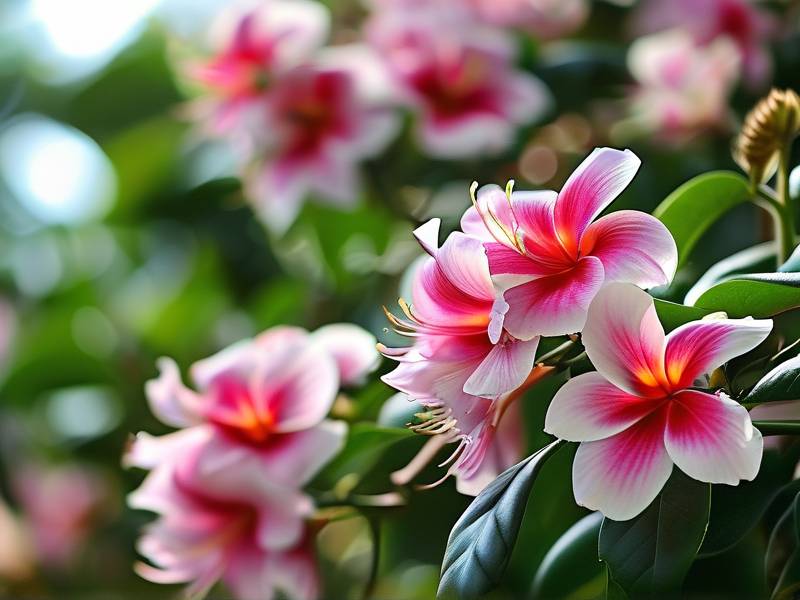
Hydrangea bloom color depends on soil pH. Acidic soil (pH 5.5 or lower) gives you blue flowers. Alkaline soil (pH 6.5 or higher) gives you pink. Neutral soil (pH 6.0) gives you purple. I wanted deep blue blooms. So I tested my soil using a cheap kit from Amazon.
My soil was slightly alkaline. Too much calcium. I added sulfur to lower the pH. It took about a month to see the shift. But the color change was worth it. I also added some aluminum sulfate to boost the blue tone. Just a little.
Step 3: Apply the Fertilizer Correctly
I spread the granules around the base of the plant. Not too close to the stem. I watered it in thoroughly. Then I waited. Over the next two weeks, here’s what I observed.
Day 1-3: The leaves perked up. They looked less droopy. The soil smelled fresh.
Day 5: I noticed tiny new buds forming. They were small but visible.
Day 7: The buds started swelling. They went from the size of peas to the size of marbles.
Day 10: The first flower began to open. The color was vibrant. A deep blue I hadn’t seen before.
Day 14: The whole plant was covered in large blooms. Each one was at least 6 inches across. My neighbors literally stopped to take pictures.
I repeated this process every six weeks during the growing season. But I stopped in late August. Hydrangeas need time to rest. Forcing late growth can damage next year’s flowers.
What Happened When I Got It Wrong (And How I Fixed It)
I made so many mistakes. I want to share them so you don’t repeat them.
The Over-Fertilization Disaster
I once used a high-nitrogen fertilizer. I saw lots of green leaves. But zero blooms. The plant looked like a bush. No flowers at all. I was so frustrated. I learned that nitrogen pushes leaf growth, not flowers. If your hydrangea is all leaves and no blooms, check your fertilizer. Switch to a low-nitrogen option.
The Wrong Application Method
I tried a liquid fertilizer once. I mixed it too strong. The leaves turned brown at the edges. That’s a sign of fertilizer burn. I flushed the soil with water to wash away the excess. The plant recovered after a week. But it taught me to follow label instructions. Always measure carefully.
The pH Balance Failure
I added too much aluminum sulfate. The leaves turned yellow. The roots got stressed. I had to repot the plant. I now use pH adjusters slowly. A little bit every few weeks. Patience is key.
Long-Tail Keywords That Helped Me Research
While learning about hydrangeas, I used specific search terms. They gave me better results. You might find them useful too.
- “best fertilizer for hydrangeas to bloom big in pots” – This is what I typed when I switched to container growing.
- “high phosphorus fertilizer for hydrangeas” – This helped me choose the right product.
I also came across related terms like “slow-release flower fertilizer” and “hydrangea bloom booster.” They all point to the same idea: get the phosphorus right.
Tips from the Experts
The RHS suggests using a balanced fertilizer like Growmore. But they also say to supplement with a high-potassium feed in summer. The AHS recommends testing soil pH annually. Both agree that over-fertilizing hurts more than helps.
I followed their advice for container plants. I use a liquid feed every two weeks during the growing season. But I dilute it to half strength. That prevents salt buildup in the pot. My hydrangeas have never looked better.
Common Questions I Get Asked
Can I use tomato fertilizer on hydrangeas?
Yes. Tomato fertilizers are high in phosphorus. That’s great for blooms. I’ve used it myself. Just check the ratio. Avoid anything over 15-30-15. Too much can burn the roots.
How often should I fertilize hydrangeas for big blooms?
I do it every six weeks from spring to late summer. That gives them enough food without stressing them. If you use slow-release, once in spring and once in summer is enough.
Do I need to stop fertilizing in winter?
Absolutely. Hydrangeas go dormant in cold months. Feeding them then forces new growth that will die in frost. Stop by the end of August. Let the plant rest.
Final Thoughts
Getting big blooms on hydrangeas isn’t magic. It’s about using the best fertilizer for hydrangeas to bloom big. That means low nitrogen, high phosphorus, and right pH. I learned this through trial and error. I killed a few plants. But now my garden is full of giant blue and pink flowers. You can do the same.
Start with a soil test. Pick a 10-30-10 fertilizer. Water only when dry. Give it morning sun and afternoon shade. Use a big pot with good drainage. Watch your plants transform. It took me two weeks to see real change. I bet it will take you less time.