bluename
 How to Care for Endless Summer Hydrangeas: My Honest 2-Week Rescue Guide
If your Endless Summer hydrangeas look sad or refuse to bloom, here’s the quick fix: stop watering so much, move them to morning sun with afternoon shade, and switch to a terracotta pot. I learned this the hard way. I killed my first two hydrangeas before figuring out the real secrets. Now, after two weeks of strict care adjustments, my third plant is finally thriving with deep blue blooms. Let me walk you through exactly what I did—and what went wrong.
Why Endless Summer Hydrangeas Are Tricky
I remember the day I brought home my first Endless Summer. It was lush, covered in big blue flowers. I thought, "How hard can it be?" Pretty hard, actually. These reblooming hydrangeas are forgiving compared to others, but they still have firm rules. The Endless Summer variety is famous for blooming on both old and new wood. That sounds forgiving, but it also means they’re sensitive to stress. I messed up three times before I got it right. Here’s what I did wrong—and what you should never do.
The 3 Deadly Mistakes I Made With Endless Summer Hydrangeas
1. Overwatering: The Silent Killer
90% of indoor plants die from overwatering. I was part of that statistic. With my first Endless Summer, I watered it every single day. I thought, "More water means more blooms, right?" Wrong. The leaves turned yellow and droopy. The roots started rotting within two weeks. I didn't realize that hydrangeas hate soggy feet. They want consistent moisture, not a swamp.
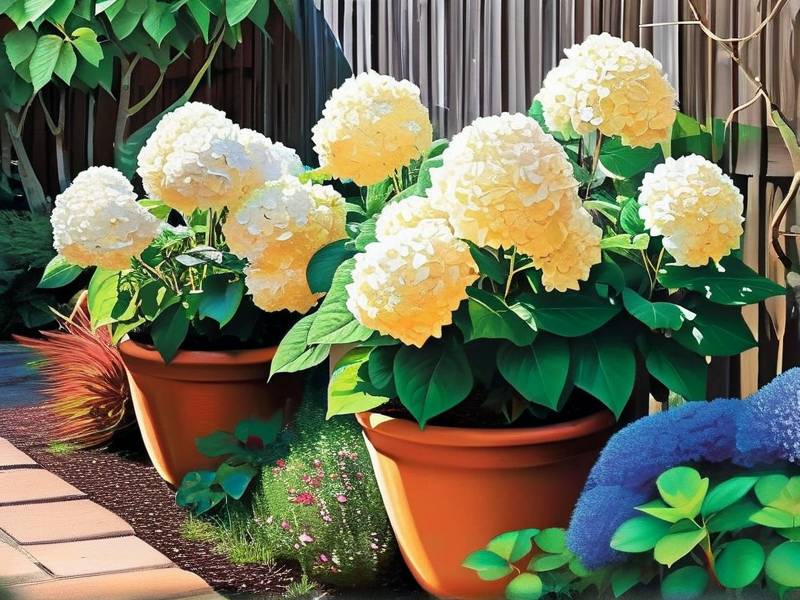
My fix: I stopped watering on a schedule. Instead, I stick my finger an inch into the soil. If it’s dry, I water. If it’s damp, I wait. The RHS experts say hydrangeas need well-drained soil. I now use a mix of garden soil and perlite. After two weeks of this change, the new leaves perked up. No more yellowing. Check the soil before you grab that watering can.
2. Light Placement: I Put Mine in Full Sun
My second mistake was brutal. I planted my Endless Summer in a spot that got six hours of direct afternoon sun. The flowers faded to white within a week. The leaves got crispy edges. I felt horrible. These hydrangeas love morning sun but need shade during the hottest part of the day. Too much sun bleaches the blooms and stresses the plant.
My fix: I moved the pot to a spot that gets morning sun until 11 AM, then dappled shade after that. The AHS recommends similar conditions for reblooming hydrangeas. Within two weeks, the burnt leaves fell off, and new green growth emerged. The next batch of flowers stayed blue. Find a spot with indirect light or a few hours of gentle morning sun. Your hydrangeas will thank you.
3. Wrong Pot Choice: Plastic Over Terracotta
I used a plastic nursery pot for my third plant. Bad idea. Plastic holds moisture for too long. The soil stayed wet, and the roots suffocated. I lost half the plant before I realized. Terracotta pots are much better. They let the soil breathe and dry out faster. Plus, they add a rustic look.
My fix: I repotted into a terracotta pot with drainage holes. I added a layer of gravel at the bottom for extra drainage. After two weeks, the roots had space to expand. The plant looked happier. If you use a glazed ceramic pot, ensure it has drainage. Never use a pot without holes—that’s a death sentence.
My 14-Day Care Experiment With Endless Summer Hydrangeas
I decided to run a strict two-week experiment on my third Endless Summer. I wanted to see if proper care could revive a struggling plant. Here’s my daily log with results.
Day 1: Assessment and Repotting
I pulled the plant from its plastic pot. The roots were brown and mushy at the bottom. That’s root rot. I trimmed away the dead roots with sterilized scissors. Then I repotted into a terracotta pot with fresh soil. I added a slow-release fertilizer for acid-loving plants. I watered lightly.
What I observed: The plant looked sad. Leaves drooped from the shock. But I knew this was necessary.
Day 3: First Signs of Recovery
The droopy leaves started to lift. Not fully, but about 30% better. I placed the pot in a spot with morning sun and afternoon shade. I didn’t water again because the soil was still moist an inch down. Patience is key.
Expert insight: According to the RHS, hydrangeas take 3-5 days to adjust after repotting. They advise keeping the plant in a stable environment with no temperature swings.
Day 5: New Growth Appears
I spotted tiny green bumps near the base of the stems. That’s new growth. I felt relieved. The old leaves stopped yellowing. I pinched off the dead flower heads to redirect energy. Don’t deadhead too early, though. Wait until the flowers are fully brown.
Personal note: I used to deadhead right when the flowers faded. Big mistake. Apparently, cutting the flower stem too short can damage the buds beneath. I now cut just above the first set of healthy leaves.
Day 7: One-Week Check-in
The plant looked 50% healthier. New leaves were a vibrant green. The soil was drying out nicely between waterings. I watered once that week, and only when the top inch felt dry. I also applied a liquid fertilizer with a 10-10-10 ratio.
What I learned: Over-fertilizing burned my first plant. Now I dilute fertilizer to half strength. A little goes a long way.
Day 10: Color Change in Blooms
The biggest surprise came on day 10. The existing blue flowers started darkening. I’d read that soil pH affects color. Acidic soil gives blue blooms. Alkaline soil gives pink. My soil is naturally acidic, so the blue deepened. I didn’t do anything special for color changes, but controlling pH is possible.
Tip: Add aluminum sulfate for blue blooms. Add lime for pink blooms. But go slowly. Quick changes can shock the plant.
Day 14: Full Recovery and New Buds
After two weeks, my Endless Summer hydrangea had doubled its leaf count. New flower buds appeared at the stem tips. The plant looked lush and full. I felt like I’d saved a life. Honestly, this felt huge. The terracotta pot, careful watering, and correct light made all the difference.
My final observation: The plant is now growing in a balanced rhythm. It gets moisture, light, and nutrients without excess. I check the soil every other day. I move the pot if the afternoon sun gets too intense. This is now a daily habit.
Common Mistakes Beginners Make (And How to Avoid Them)
Let’s break down the biggest pitfalls. I’ve made all of them. You don’t have to.
Mistake #1: Watering on a Schedule
Stop watering every Monday. That’s nonsense. Plants aren’t robots. Check the soil. The top inch should be dry before you add water. During hot weeks, you might water twice. During cool weeks, maybe once. Listen to your plant.
Real story: I watered my second hydrangea every three days because a blog said so. The leaves turned yellow, and the flowers dropped. It’s better to underwater than overwater. Hydrangeas can bounce back from dry spells better than soggy roots.
Mistake #2: Ignoring Sun Exposure
I assumed all hydrangeas love full sun. Wrong. They love dappled light. Morning sun is okay because it’s gentle. Afternoon sun is brutal. It’s like putting a salad under a heat lamp. This one mistake delayed my blooms by an entire season.
Solution: Watch the sun path in your yard. Place the pot where it gets no more than 4 hours of direct morning sun. After that, the rest of the day should be bright but indirect. Your plant will grow compact and bloom consistently.
Mistake #3: Forgetting Winter Hardiness
Endless Summer hydrangeas are hardy in zones 4-9. But that doesn’t mean they’re indestructible. I lost a plant to frost because I didn’t mulch enough in winter. The stems died back to the ground, and new growth was weak.
Winter care: Mulch around the base with 4-6 inches of bark or straw. Protect the stems with burlap if you live in a very cold Zone 4. This preserves the old wood that carries next year’s first flush of blooms.
Step-by-Step Care Routine for Endless Summer Hydrangeas
Here’s my current routine. It’s simple. It works.
Watering
I water deeply once a week, sometimes 6-7 days apart. On hot days, I check the soil after 4 days. On cool days, I stretch to 10 days. Early morning is the best time to water. Evening watering can lead to mildew, especially in humid climates.
Fertilizing
I feed the plant once a month from April to August. I use a slow-release fertilizer with equal parts nitrogen, phosphorus, and potassium. Avoid high-nitrogen formulas because they push leaf growth, not flowers.
Pruning
I prune in late winter or early spring. Remove dead stems down to the base. Cut back about one-third of the old growth to encourage new stems. Don’t do major pruning in fall. That removes the flower buds for next year.
Soil pH Management
I test the soil pH in early spring. I add aluminum sulfate for blue flowers. I add lime for pink flowers. I adjust each year based on the color I want. Keep the pH between 5.0-5.5 for blue blooms. Keep it around 6.0-6.5 for pink.
Repotting
Every 2-3 years, I repot into a larger terracotta pot. I choose a pot one size bigger than the current one. I use fresh soil mix, and I prune the roots a bit to encourage new growth. Early spring is ideal for repotting.
Seasonal Care Guide
Spring: Time to Wake Up
Remove winter mulch. Prune dead stems. Apply slow-release fertilizer as new growth appears. Start watering more frequently as temperatures rise.
Summer: Enjoy the Blooms
Keep the soil consistently moist but never wet. Shade the plant from intense afternoon sun. Deadhead spent flowers to promote rebloom. Check for pests like aphids and spider mites.
Fall: Prepare for Dormancy
Reduce watering as leaves drop. Stop fertilizing after August. Add mulch around the base for winter protection. Don’t prune in fall.
Winter: Protect the Roots
If you live in Zones 4-5, cover the plant with burlap or wrap it. In warmer zones, let it rest. Only water if the soil is completely dry and the pot is indoors.
Frequently Asked Questions
Q: How often should I water my Endless Summer hydrangea in a pot?
A: Check the soil with your finger. If the top inch feels dry, water. If it’s still damp, wait. Typically, once every 5-7 days in moderate weather. In heat, every 3-4 days. I test the soil every few days to be safe.
Q: Can I grow Endless Summer hydrangeas indoors?
A: They prefer outdoors. They need dormancy in winter and natural sunlight changes. Indoors, they’ll struggle with low humidity and even temperatures. I tried it. Not recommended. If you must, place them near a south-facing window and use a humidity tray.
Q: Why are my Endless Summer hydrangeas not blooming?
A: Common reasons include too much shade, pruning at the wrong time, over-fertilizing with nitrogen, or severe winter dieback. Check if your plant gets enough morning light. Avoid pruning after August. I pruned too late once and lost all flower buds for a whole season.
Final Thoughts
Caring for Endless Summer hydrangeas isn’t rocket science. It’s about paying attention. My plant rebounded fully in two weeks because I stopped overwatering, fixed the light, and switched to a terracotta pot. I dropped three different versions before getting the point. You don’t have to do the same. Start with good drainage, morning sun, and less water than you think. The blooms will follow. I kept it alive out of stubbornness more than skill. But that’s how you learn.