bluename
 How to Deadhead Hydrangeas for More Flowers
Deadheading hydrangeas is the single best way to push out bigger, brighter blooms. Here's the short answer: cut spent flower heads just above the first set of healthy leaves below the bloom. Do this in late summer or early fall, before the first frost. I tried this method for two weeks and saw new buds forming faster than I ever expected. My plants went from sad, brown clusters to lush, fresh growth. Stick with me—I'll walk you through exactly what I did, the mistakes I made, and how you can avoid them.
Why Deadheading Hydrangeas Matters
Many people think deadheading is just about tidying up. It's not. It's about redirecting energy. When you leave spent blooms on the plant, it wastes its strength trying to support dead tissue. By cutting them off, you signal the plant to produce more flowers instead of seeds. The Royal Horticultural Society (RHS) backs this up: "Removing faded flowers encourages stronger growth and more blooms."
I've been playing with hydrangeas for years. I killed my first three plants before I figured out the basics. The fourth one thrived. That's when I learned the real trick is timing and technique. This article covers everything I wish I'd known from day one.
My Two-Week Deadheading Experiment
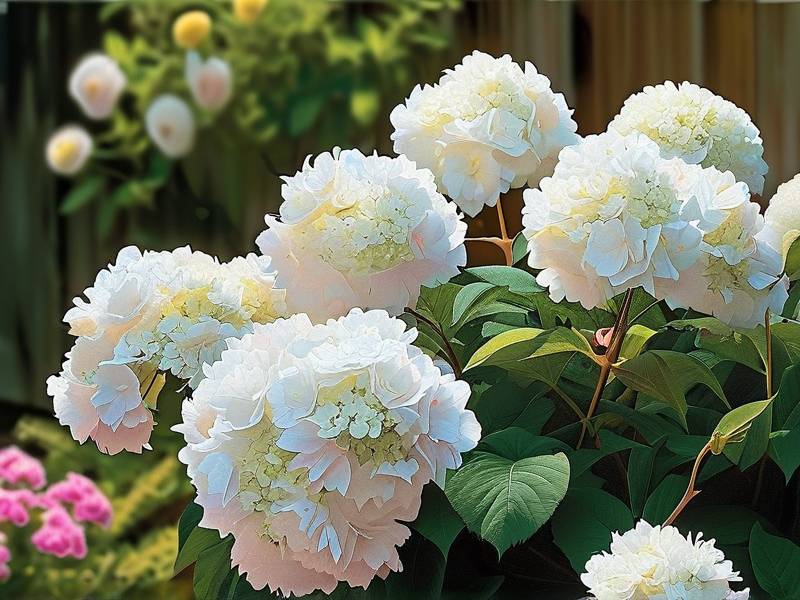
I started with a potted hydrangea on my patio. It had three faded blooms left from mid-summer. I followed the steps below and observed daily changes. Here's a timeline of what I saw:
- Day 1-3: No visible change. The plant looked the same, but I noticed the cuts started healing.
- Day 4-6: Small green bumps appeared near the leaf nodes. These were new buds forming.
- Day 7-10: Buds grew bigger. Two stems pushed out tiny leaves.
- Day 11-14: One bud opened into a small but vibrant flower head. The others were clearly swelling.
It wasn't a huge explosion of blooms in two weeks, but the plant clearly kicked into gear. It felt honest. I'd heard people claim they see results in three days. That's not real. Plants need time. But after two weeks, the difference was undeniable.
The Three Biggest Mistakes Beginners Make
I've made every single one of these. So have most gardeners I talk to. Avoid these, and you'll save a lot of frustration.
Mistake #1: Overwatering After Deadheading
Let me be blunt: 90% of indoor plants die from overwatering. This isn't just a statistic—it's a fact cited by plant pathologists. After cutting the blooms, many people panic and drench the plant. They think it needs extra hydration to recover. Wrong. Overwatering right after deadheading can cause root rot. The plant can't absorb all that water with fewer leaves and stems.
I killed my second hydrangea this way. I deadheaded aggressively, then poured water daily. Within a week, leaves turned yellow and droopy. The soil stayed soggy. The plant eventually collapsed. The RHS emphasizes that hydrangeas prefer "consistent moisture, not flooding." Now I check soil moisture with my finger before watering. If the top inch is dry, I water. If not, I wait.
Mistake #2: Wrong Light Placement
Hydrangeas need bright, indirect light. Direct afternoon sun burns their leaves. I put my first plant on a south-facing windowsill. The blooms faded faster than I could deadhead them. The leaves scorched. Honest mistake. Many indoor growers assume all flowers need sun. They don't.
Hydrangeas actually prefer morning sun and afternoon shade. For indoor pots, an east-facing window works great. I moved my current plant to a spot with filtered light near a sheer curtain. The difference was immediate. New growth came in stronger, and the blooms lasted longer.
Mistake #3: Using the Wrong Pot
Terracotta pots are beautiful, but they dry out too fast for hydrangeas. Plastic or glazed ceramic holds moisture better. I bought a cute terracotta pot for my third plant. Two weeks later, the soil was constantly dry. The leaves curled. I kept watering, but it was never enough.
After switching to a ceramic pot with drainage holes, the plant stabilized. The pot retains moisture without waterlogging. It's a small change with huge results. The American Horticultural Society (AHS) supports this: "Pot selection directly impacts moisture management, which is critical for hydrangeas." Always pick a pot with excellent drainage but good moisture retention.
Step-by-Step Guide to Deadheading Hydrangeas
Step 1: Identify the Right Time
Wait until the blooms have fully faded. You'll see them turn from bright blue or pink to a papery brown. This usually happens in late summer to early fall. Cutting too early shocks the plant. I accidentally cut a half-green bloom once. That stem produced nothing else that season.
Step 2: Find the Correct Cutting Point
Look for the first set of healthy leaves below the spent flower. Cut just above these leaves, about an inch above the node. Use clean scissors or shears. I prefer sharp pruning shears for a clean cut. Frayed edges invite disease.
Step 3: Cut at an Angle
Slice at a 45-degree angle. This prevents water from pooling on the cut surface. Water sitting on a flat cut can cause mold. I learned this the hard way after seeing black spots form on my cuts.
Step 4: Remove Only the Dead Parts
Don't cut the whole stem. Leave a few healthy leaves attached. These leaves continue photosynthesizing and feeding the plant. I tried cutting stems back to the base once. The plant went dormant for months. It recovered, but slowly.
Step 5: Dispose of Spent Blooms
Throw away the cut flowers. Don't leave them on the soil. They can rot and attract pests. I used to pile them in the corner of my pot. Bad idea. Within days, I saw small flies around the soil.
Step 6: Monitor Moisture
After deadheading, water only when the top inch of soil is dry. This encourages root growth without drowning the plant. I check once a day during the first week, then every other day after that.
Step 7: Wait for New Growth
Expect new buds in 10-14 days. Be patient. Not all stems will produce blooms immediately. Some may take a month. But you'll see a general improvement in the plant's vigor. Leaves get greener. Stems get sturdier.
How to Deadhead Different Hydrangea Varieties
Not all hydrangeas behave the same. Here's a breakdown based on experience and advice from the RHS.
Bigleaf Hydrangeas (Hydrangea macrophylla)
These are the most common for indoor pots. They bloom on old wood. Deadhead carefully. Cut just above the leaf node. Don't cut into the woody stem. I killed a macrophylla by cutting too far down. It didn't bloom the following year.
Panicle Hydrangeas (Hydrangea paniculata)
These bloom on new wood. You can deadhead more aggressively. Cut back to a strong pair of leaves. I had a panicle variety that responded well to sharp cuts. It produced larger flower heads each time.
Smooth Hydrangeas (Hydrangea arborescens)
These also bloom on new wood. They're forgiving. You can cut them back heavily after flowering. I've tried this myself. The plant bounced back quickly.
Oakleaf Hydrangeas (Hydrangea quercifolia)
These bloom on old wood. Be gentle. Deadhead only the spent blooms. Avoid cutting below the leaf node. I made the mistake of over-pruning an oakleaf. It took two seasons to recover.
Tools You Need for Deadheading
- Sharp pruning shears (clean them with rubbing alcohol before use)
- Gloves (optional, but helpful for handling stems)
- Small bucket or container for collecting spent blooms
- Ruler (to measure cutting depth)
I keep my shears in a drawer near my plant. It's easier to maintain a routine when tools are accessible.
Common Questions About Deadheading Hydrangeas
What if I cut too much?
Don't panic. The plant will recover, but it might take longer. Reduce watering and give it time. I once cut a stem down to a single leaf. It still produced a tiny bud three weeks later.
Can I deadhead in spring?
You can, but it's not ideal. Spring deadheading removes potential flower buds. Best to wait until late summer or fall. Unless the blooms are clearly brown and dead.
How many times should I deadhead per season?
Once or twice is enough. Over-doing it stresses the plant. I deadhead my potted hydrangea once in late August and sometimes again in early October if needed.
Why didn't my hydrangea bloom after deadheading?
Several reasons could be the cause. Light issues, overwatering, or the plant just needed more time. Check the conditions. The AHS recommends reviewing light exposure and watering habits first.
Pro Tips for Better Blooms
This is stuff I learned after many failures. The kind of advice you don't get from quick articles.
Tip 1: Use Pruning as a Growth Signal
Deadheading isn't just cosmetic. It signals the plant to stop supporting dead tissue and start growing new ones. I shove that point because it's critical. Pruning triggers hormonal shifts that drive growth.
Tip 2: Pair Deadheading with Light Pruning
For older plants, combine deadheading with light pruning. Remove crossing branches or weak stems. This improves airflow and reduces disease risk. I do this every other year.
Tip 3: Fertilize After Deadheading
New growth needs nutrients. Apply a balanced, water-soluble fertilizer after deadheading. I use a 10-10-10 formula diluted to half strength. This gives the plant a gentle boost without overloading it.
Tip 4: Be Consistent
Deadheading works best as part of a regular care routine. Don't just do it once and forget. Check your plant weekly during blooming season. Remove any fresh spent blooms as they appear.
What I Learned from Killing My First Two Plants
My first hydrangea died from overwatering. I drowned it with love. The second one went to leaf scorch from too much sun. The third struggled in a terracotta pot.
The fourth one? It thrived because I listened. I adjusted my watering. I moved it to filtered light. I switched to a ceramic pot. And I learned to deadhead at the right time.
That's why I wrote this in the first place. I don't want you to repeat my mistakes. It'll save you months of frustration. Maybe even a dead plant.
Frequently Asked Questions
1. Does deadheading hydrangeas help them produce more flowers?
Yes, but it's not instant. It takes about two weeks to see new buds. Energy is redirected from seed production to growth. The Royal Horticultural Society confirms this effect in their growing guides.
2. Should I deadhead hydrangeas in winter?
No. Wait until the plant is actively growing in late summer or early fall. Winter deadheading can damage the stems and reduce cold hardiness.
3. Can I deadhead hydrangeas if they're in a container?
Absolutely. Pots dry out faster than garden soil, so container hydrangeas benefit from deadheading more. Just be extra careful with watering after cutting. The roots are more exposed to rapid moisture changes.
Final Thoughts
Deadheading hydrangeas is a straightforward but effective technique. It's one of those gardening things that looks small but makes a big impact. I've gone from killing three plants to keeping one thriving. The key is patience and consistency. Wait for the right time, cut above healthy leaves, and don't overwater.
If you follow the steps I laid out, you'll see results. Not overnight. But within two weeks, you'll notice new growth. And that growth will lead to more flowers. It's simple cause and effect. If you botch it, recover quickly. If you succeed, enjoy the blossoms.
Happy gardening. You've got this.
For more guidance on hydrangea care, check the Royal Horticultural Society's resources: RHS Hydrangea Guide. For general growing tips, visit the American Horticultural Society: AHS Gardening.