How to Care for a Jade Plant: 6 Key Tips for Thick Stems and Plump Leaves
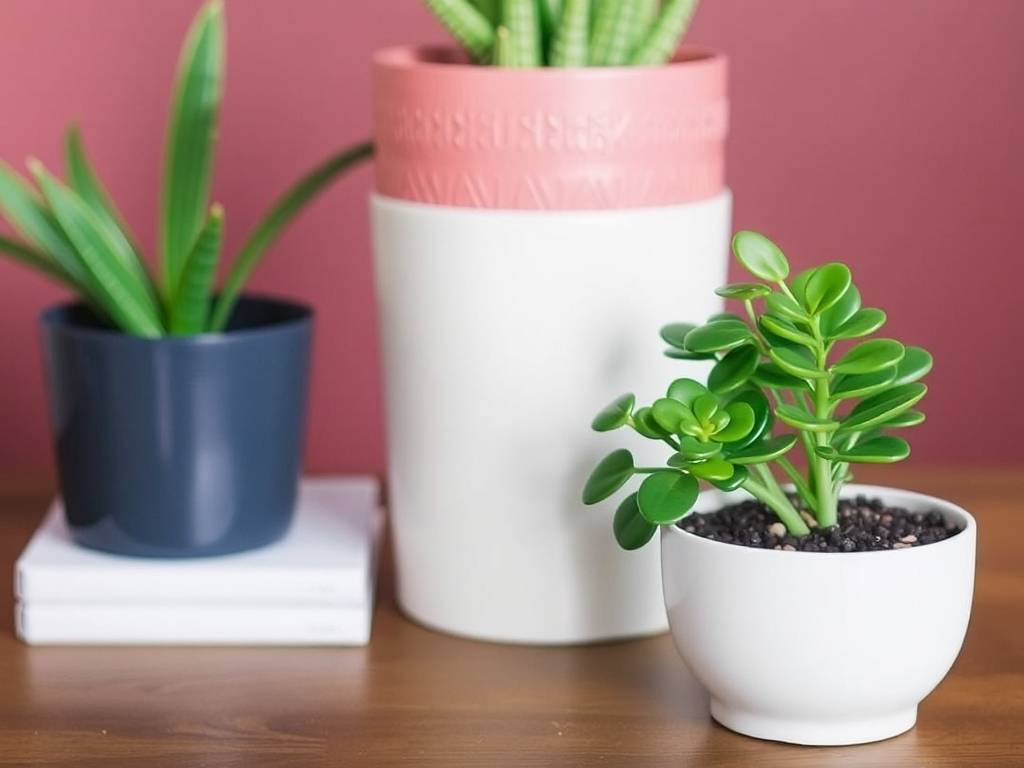
If you’ve ever walked past a jade plant (scientific name: Crassula ovata) and admired its glossy, round leaves and sturdy, tree-like stems, you’re not alone. This popular succulent is a favorite among both new and experienced plant parents, thanks to its low-maintenance reputation and ability to thrive in indoor spaces. But while jade plants are relatively easy to grow, getting them to develop thick, robust stems and plump, healthy leaves takes a little know-how. Many plant lovers struggle with leggy growth, droopy leaves, or slow development—issues that often stem from common care mistakes.
The good news? With the right approach to light, water, soil, and more, you can turn your jade plant into a lush, compact specimen that looks like it’s been nurtured for years. Below, we’ll break down six essential care tips that address every aspect of jade plant health, from preventing overwatering to encouraging stem thickening. Whether you’re a beginner just bringing home your first jade or a seasoned grower looking to revive a struggling plant, these strategies will help you achieve the full, vibrant jade plant you’ve been wanting.
1. Give It Plenty of Bright, Indirect Light (With a Little Direct Sun Too)
Light is the foundation of a healthy jade plant—especially when it comes to building thick stems and plump leaves. Jade plants are native to South Africa, where they grow in sunny, dry conditions. Without enough light, your jade will stretch toward sources of brightness (a problem called “etiolation”), resulting in thin, weak stems and sparse, small leaves.
To avoid this, place your jade plant in a spot that gets 4–6 hours of bright, indirect sunlight daily. A south-facing window is ideal, but if that’s not available, an east- or west-facing window works too. If your space is low on natural light, you can supplement with a grow light: choose a full-spectrum LED light and position it 6–12 inches above the plant, leaving it on for 10–12 hours a day.
Pro tip for fuller growth: Every few weeks, rotate your jade plant 90 degrees. This ensures all sides of the plant get equal light, preventing it from leaning to one side and promoting balanced, bushy growth. Also, avoid sudden changes in light—if you move your jade from a dim corner to a bright window overnight, its leaves may develop sunburn (brown, crispy spots). Instead, gradually acclimate it to more light over 1–2 weeks.
2. Water Sparingly (But Thoroughly) to Avoid Root Rot
One of the biggest mistakes new jade plant owners make is overwatering. Jade plants are succulents, which means they store water in their leaves and stems. This adaptation helps them survive in dry environments—but it also makes them highly susceptible to root rot if their soil stays wet for too long. Overwatered jade plants often have soft, mushy leaves that turn yellow or brown, and their stems may become weak or squishy.
The key to watering your jade plant correctly is to follow the “soak and dry” method. Here’s how it works:
Wait until the top 2–3 inches of soil are completely dry before watering. To check, stick your finger into the soil—if it feels dry at that depth, it’s time to water. In winter, when jade plants go dormant, you can wait even longer (sometimes 4–6 weeks between waterings) since their growth slows and they need less moisture.
When you water, pour water slowly over the soil until it drains out the bottom of the pot. This ensures the entire root system gets hydrated, which encourages strong root growth (and strong roots lead to thick stems and plump leaves).
If you’re unsure whether to water, err on the side of underwatering. A jade plant can recover from slight drought stress (its leaves may wrinkle a little, but they’ll plump back up after watering), but it’s much harder to fix root rot.
3. Choose the Right Soil and Pot for Drainage
Even if you water correctly, your jade plant won’t thrive if it’s in the wrong soil or pot. The soil needs to drain quickly to prevent water from pooling around the roots, and the pot should have drainage holes to let excess water escape.
For soil, use a well-draining succulent or cactus mix. You can buy pre-made mixes at garden centers, or make your own by combining regular potting soil with perlite, pumice, or coarse sand in a 2:1 ratio (e.g., 2 parts potting soil to 1 part perlite). This mix allows water to flow through easily while still holding enough moisture to keep the roots hydrated. Avoid heavy soils like garden soil or potting soil with added moisture retainers (like peat moss or vermiculite), as these can stay wet for too long.
When it comes to pots, terracotta is the best choice for jade plants. Terracotta is porous, which means it absorbs excess moisture from the soil—helping to keep the roots dry and preventing overwatering. The pot should be slightly larger than the root ball (about 1–2 inches wider in diameter). If you use a pot that’s too big, the soil will take longer to dry out, increasing the risk of root rot. Make sure the pot has at least one drainage hole (more is better!) to let water escape.
Repotting tip: Jade plants don’t need to be repotted often—usually only every 2–3 years, or when the roots start growing out of the drainage holes. When repotting, use a pot that’s one size up from the current one, and refresh the soil to give the plant a nutrient boost.
4. Fertilize Moderately to Boost Growth (But Not Too Much)
While jade plants don’t need a lot of fertilizer, a little extra nutrients during their growing season can help promote thick stems and plump leaves. The growing season for jade plants is spring and summer—this is when they’re actively producing new growth and can benefit from fertilizer. In fall and winter, when growth slows, you should stop fertilizing altogether.
Choose a balanced, water-soluble fertilizer (like a 10-10-10 or 20-20-20 formula) and dilute it to half the recommended strength. Fertilize your jade plant every 4–6 weeks during spring and summer. Overfertilizing can cause fertilizer burn (brown tips on leaves) or weak, leggy growth—so it’s better to use less fertilizer than more.
If you prefer organic options, you can use a diluted fish emulsion or worm castings tea. These natural fertilizers are gentler on the plant and provide slow-release nutrients that support healthy growth.
5. Prune Strategically to Encourage Bushy, Thick Stems
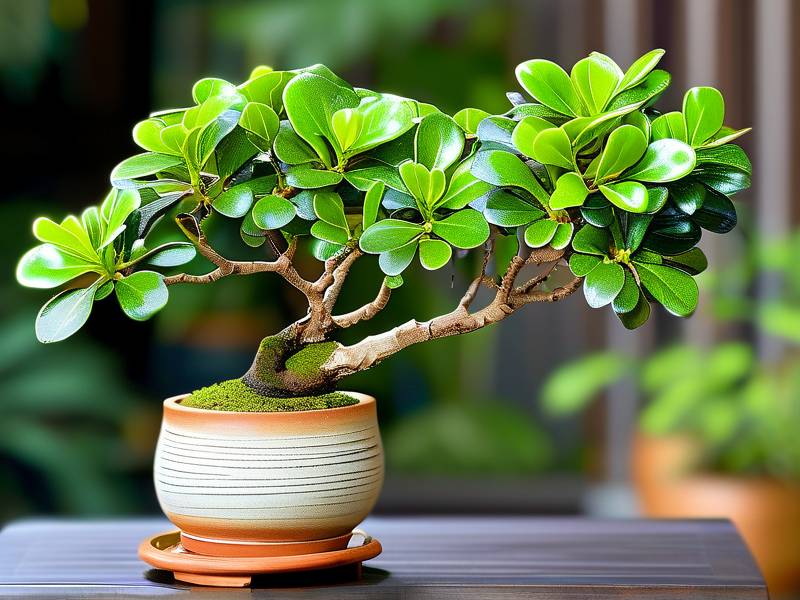
Pruning is an often-overlooked step in jade plant care, but it’s crucial for creating thick, bushy growth. Without pruning, jade plants can grow tall and leggy, with most of their leaves at the top of thin stems. Pruning helps redirect the plant’s energy to the lower stems, making them thicker, and encourages new growth at the pruning sites—resulting in a fuller, more compact plant.
The best time to prune your jade plant is in spring or early summer, when it’s in its active growing phase. Here’s how to do it:
Cut the stem just above a leaf node (the small bump where a leaf attaches to the stem). This is where new growth will emerge. For thicker stems, you can prune back larger sections—just make sure not to remove more than 1/3 of the plant at once, as this can stress it.
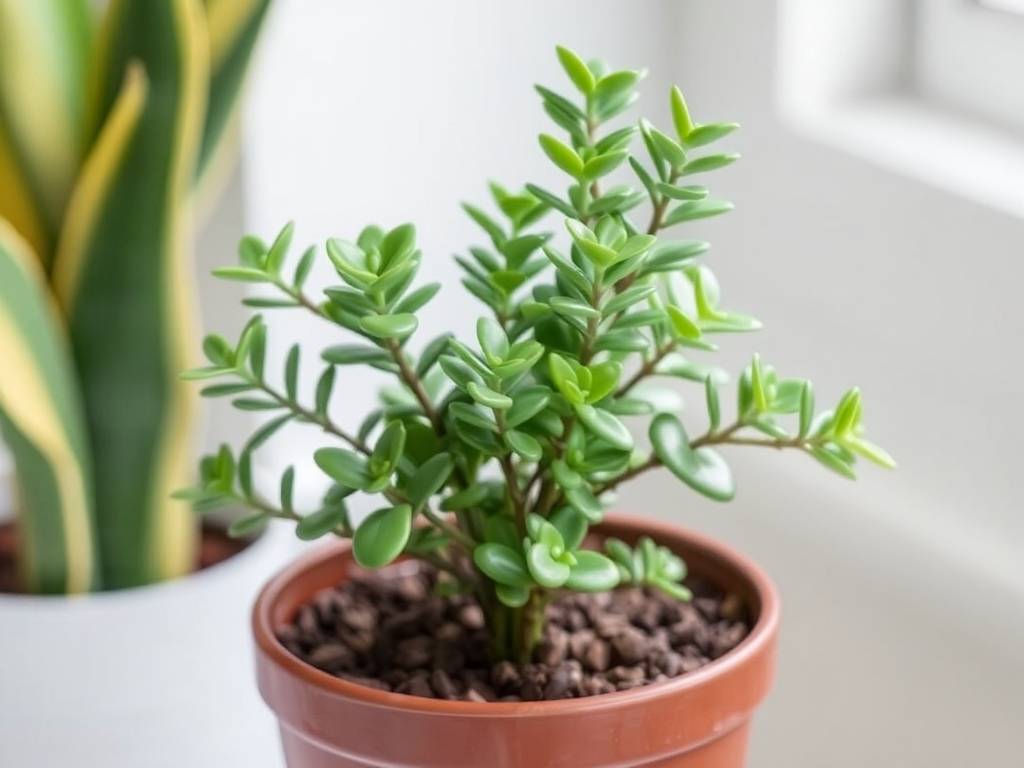
Another tip for thick stems: If your jade plant is young, you can gently pinch off the top growth with your fingers when it’s about 4–6 inches tall. This encourages the plant to branch out early, leading to thicker stems as it matures.
6. Control Temperature and Humidity for Optimal Health
Jade plants thrive in moderate temperatures and low humidity—conditions that mimic their native South African habitat. Extreme temperatures or high humidity can stress the plant, leading to leaf drop, weak growth, or even death.
The ideal temperature range for jade plants is 65–75°F (18–24°C) during the day and 55–65°F (13–18°C) at night. Avoid placing your jade near cold drafts (like open windows in winter) or heat sources (like radiators, heaters, or air conditioners). Temperatures below 50°F (10°C) can damage the plant, causing leaves to turn red or brown and stems to become soft.
Humidity is another factor to consider. Jade plants prefer low to moderate humidity (30–50%). If you live in a very humid area (like a tropical climate or a home with a lot of moisture from showers or cooking), you may need to take steps to reduce humidity around your jade. You can do this by placing a fan near the plant to improve air circulation, or by moving it to a less humid room (like a living room instead of a bathroom). Avoid misting your jade plant—misting increases humidity around the leaves, which can lead to fungal diseases.
Troubleshooting Common Jade Plant Problems
Even with the best care, jade plants can run into issues. Here are some common problems and how to fix them:
Soft, mushy leaves: This is usually overwatering or root rot. Check the soil—if it’s wet, stop watering and let it dry out completely. If the leaves don’t recover, gently remove the plant from the pot and check the roots. Healthy roots are white or light brown; rotted roots are black, mushy, and smell bad. Trim off any rotted roots, repot the plant in fresh succulent soil, and water sparingly.
Brown spots on leaves: This can be sunburn (if the plant was moved to bright light too quickly) or fungal disease (if humidity is too high). For sunburn, move the plant to a shadier spot and trim off the damaged leaves. For fungal disease, improve air circulation and avoid getting water on the leaves.
 bluename