bluename
 Indoor Jade Plant Care: Essential Tips for Water Control, Lighting, and Fertilizing
Mastering Water Control: The #1 Rule for Indoor Jade Plants
How to Water Your Indoor Jade Correctly
Check soil dryness first: Before watering, stick your finger 2–3 inches deep into the soil. If it feels completely dry (no moisture at all), it’s time to water. For larger pots or pots with dense soil, you can also use a moisture meter (available at garden stores) to check—aim for a reading of “dry” (usually 1–2 on the meter).
Water thoroughly (but slowly): When you water, pour room-temperature water slowly over the soil, making sure it seeps down to the root ball. Keep pouring until water drains out of the pot’s drainage holes—this ensures all roots get hydrated, which helps build a strong root system (and strong roots support thick stems and plump leaves).
Empty excess water immediately: Don’t let your jade sit in a saucer of standing water. After watering, wait 10–15 minutes, then pour out any water that’s collected in the saucer. This prevents roots from sitting in moisture, which leads to rot.
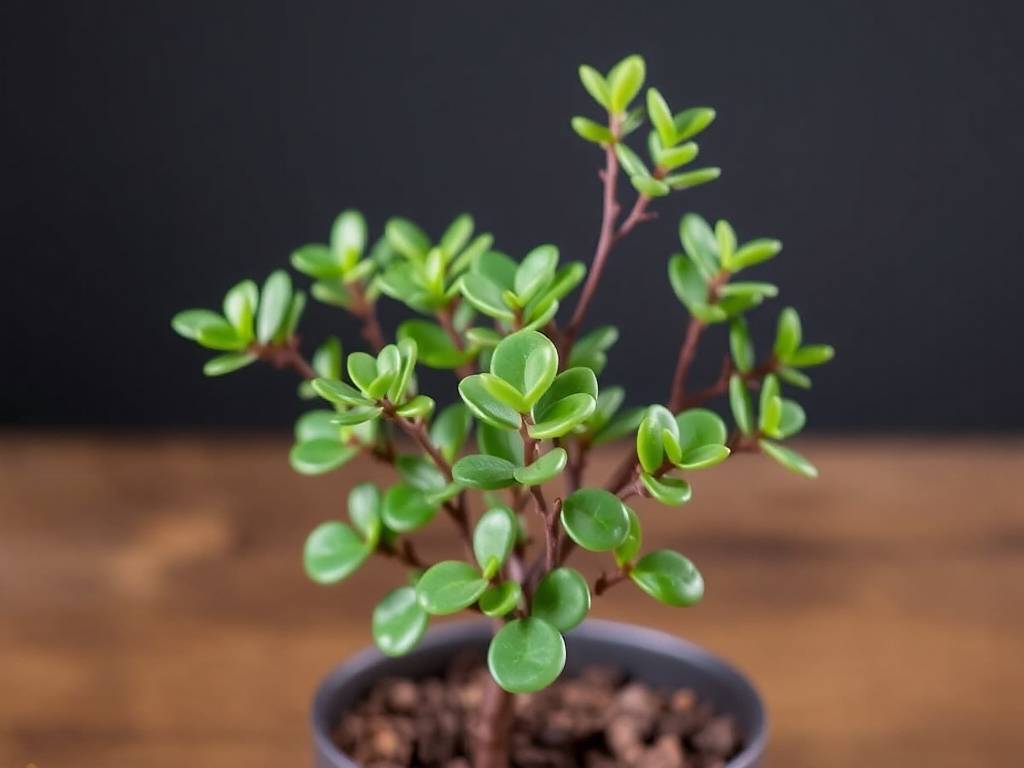
Adjust for seasons and indoor conditions: In spring and summer (when your jade is growing actively), you may need to water every 2–3 weeks. In fall and winter, when growth slows to a stop (dormancy), cut back to every 4–6 weeks—or even longer if the soil stays dry. If your home is very warm (from heaters) or dry (from air conditioners), soil may dry faster—check more often, but still stick to the “dry 2–3 inches down” rule.
Signs You’re Overwatering (or Underwatering)
Overwatering clues: Soft, mushy leaves that turn yellow or brown; stems that feel squishy; a musty smell from the soil. If you notice these, stop watering immediately and let the soil dry out completely. If leaves don’t perk up, gently remove the plant from its pot—if roots are black and mushy (not white or light brown), trim off the rotted parts, repot in fresh succulent soil, and start the soak-and-dry method again.
Underwatering clues: Wrinkled, shriveled leaves; leaves that feel thin and papery. This is easier to fix—water thoroughly, and within 1–2 days, leaves should plump back up. Just don’t overcompensate by watering too much afterward!
Getting Light Right: How to Keep Indoor Jade Plants Busy and Full
Best Light Spots for Indoor Jade Plants
South-facing windows: These are the gold standard for indoor jade plants. They provide 4–6 hours of bright, indirect light daily (morning or late afternoon direct sun is okay, but midday sun through glass can be too intense and cause leaf burn). Place your jade 1–2 feet away from the window to avoid direct sunlight hitting the leaves.
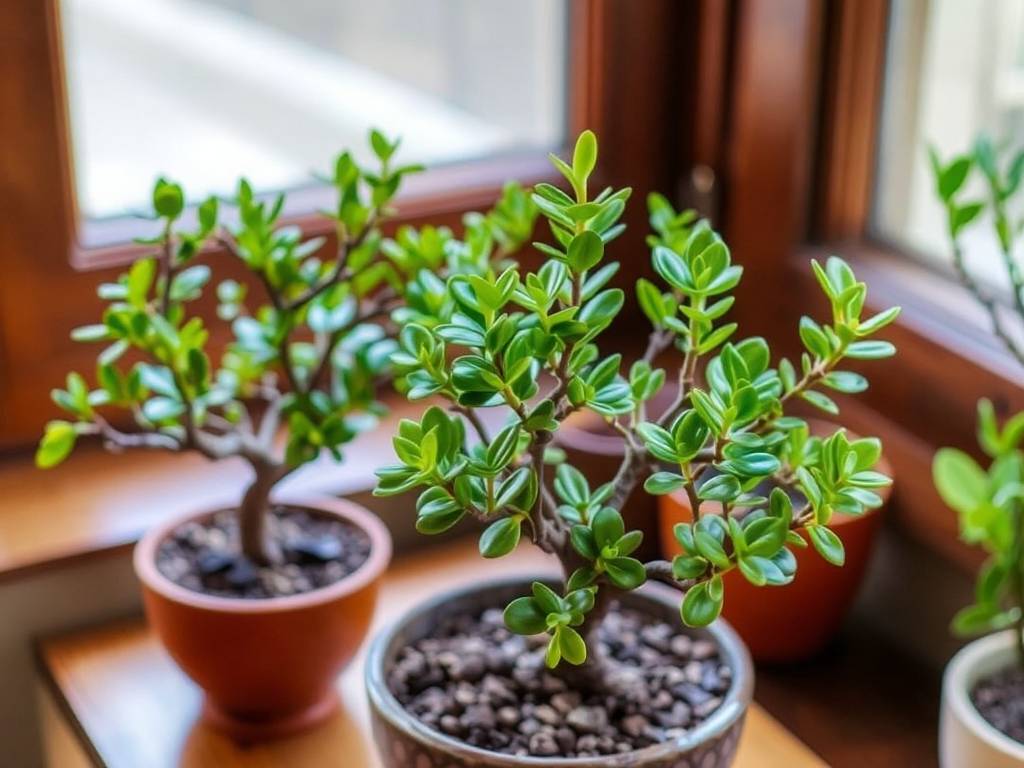
East or west-facing windows: If you don’t have a south-facing window, east or west-facing spots work. East windows get gentle morning sun (great for jade) and bright indirect light the rest of the day. West windows get afternoon sun—filter it with a sheer curtain if it’s too hot (especially in summer) to prevent leaf scorch.
Low-light rooms: If your home has limited natural light (e.g., north-facing windows or rooms with small windows), you’ll need a grow light to supplement. Choose a full-spectrum LED grow light (these mimic natural sunlight) and hang it 6–12 inches above the plant. Keep it on for 10–12 hours a day—this is enough to keep your jade from stretching and promote healthy leaf growth.
Avoiding Light Mistakes Indoors
Sudden light changes: If you move your jade from a dim corner to a bright window overnight, its leaves may develop brown, crispy sunburn spots. Instead, acclimate it gradually: start by placing it in the bright spot for 1–2 hours a day, then add an hour each day for a week until it’s used to the light.
Uneven light: Indoor jade plants often lean toward the light source (e.g., a window). To keep growth balanced, rotate your plant 90 degrees every 2–3 weeks. This ensures all sides get equal light, so your jade stays bushy and doesn’t grow lopsided.
Too little light: If your jade’s stems are getting longer and leaves are spacing out, it’s a sign it needs more light. Move it to a brighter window or add a grow light—this will slow stretching and encourage new growth to be thicker and fuller.
Fertilizing Wisely: Boost Growth Without Harming Your Indoor Jade
When to Fertilize Indoor Jade Plants
Choosing the Right Fertilizer
Diluted fish emulsion: Mix 1 tablespoon of fish emulsion with 1 gallon of water—this is gentle and provides slow-release nutrients.
Worm castings tea: Steep 1 cup of worm castings in 1 gallon of water for 24 hours, then strain and use—this adds beneficial microbes to the soil, too.
How to Fertilize Safely
Dilute to half strength: Most commercial fertilizers are too strong for jade plants, even during growth. Always mix the fertilizer to half the recommended strength (e.g., if the label says 1 teaspoon per gallon, use ½ teaspoon).
Fertilize after watering: Never fertilize a dry jade plant—this can burn the roots. Water your jade first (using the soak-and-dry method), then wait 1–2 days before applying fertilizer. This ensures roots are hydrated and can absorb nutrients without stress.
Stick to a schedule: Fertilize every 4–6 weeks during spring and summer. More frequent fertilizing won’t make your jade grow faster—it will only increase the risk of fertilizer burn (brown tips on leaves) or salt buildup in the soil.
Fixing Fertilizer Mistakes
Bonus Tips for Thriving Indoor Jade Plants
Choose the right pot: Use a terracotta pot (porous, so it dries soil faster) with drainage holes. The pot should be 1–2 inches wider than the root ball—too big, and soil stays wet longer.
Use well-draining soil: Indoor jade plants need soil that drains quickly. Mix 2 parts regular potting soil with 1 part perlite (or coarse sand) to prevent soggy roots.
Prune for shape: If your jade gets leggy, prune stems just above a leaf node in spring. This encourages bushier growth and thicker stems. You can even propagate the cuttings (let them dry 1–2 days, then plant in succulent soil) for new plants!
Avoid cold drafts: Keep your jade away from windows that open in winter, air conditioners, or heaters—temperatures below 50°F (10°C) can damage leaves and stems.