bluename
 Jade Plant Care: Solving Common Issues Like Wilted Leaves and Stem Rot
Understanding and Fixing Wilted Jade Plant Leaves
Common Causes of Wilted Jade Leaves (and How to Fix Them)
1. Underwatering: Wilted, Shriveled, or Papery Leaves
Give your jade a deep, thorough watering. Pour room-temperature water slowly over the soil until it drains out the bottom of the pot—this ensures the entire root system gets hydrated.
Wait 1–2 days, and you’ll likely see the leaves plump back up. Jade plants are resilient, and they recover quickly from mild drought stress.
To prevent future underwatering: Stick to the “soak and dry” method. Water only when the top 2–3 inches of soil are completely dry (check with your finger or a moisture meter). In spring and summer, this may mean watering every 2–3 weeks; in winter, every 4–6 weeks.
2. Overwatering: Wilted, Soft, or Yellow Leaves
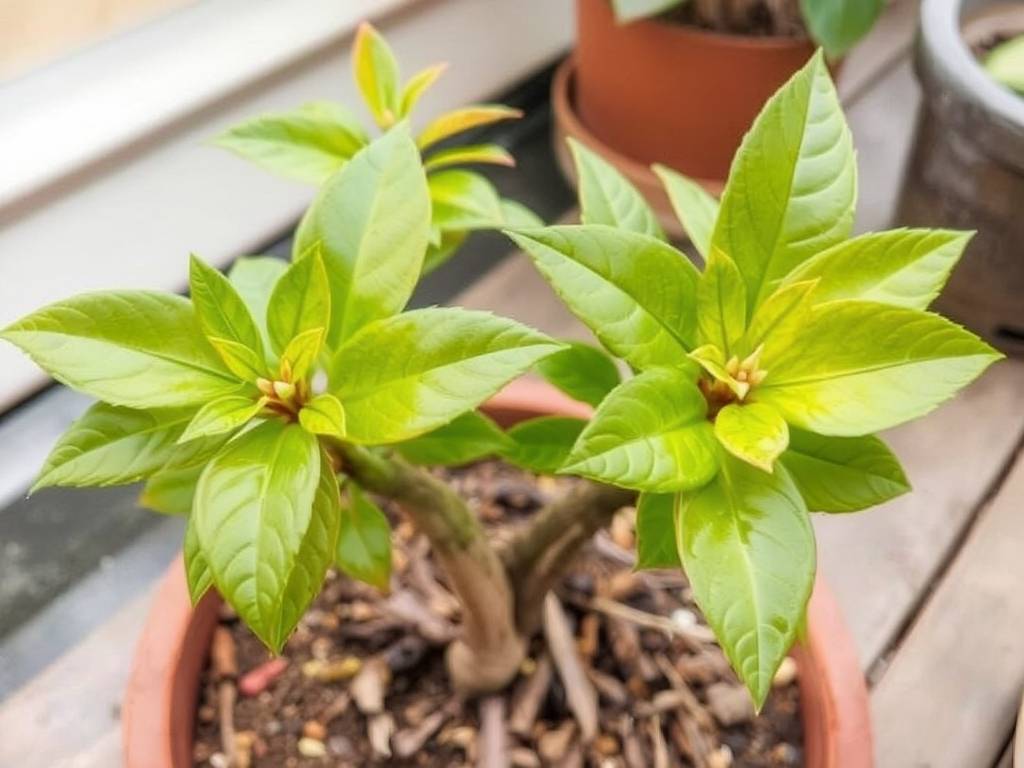
Stop watering immediately. Let the soil dry out completely—this may take 1–2 weeks, depending on the pot size and humidity.
If the leaves don’t perk up once the soil is dry, check the roots for rot (we’ll cover this more in the stem rot section below). Gently remove the plant from its pot: healthy roots are white or light brown and firm; rotted roots are black, mushy, and smell bad.
Trim off any rotted roots with clean, sharp scissors (wipe the blades with rubbing alcohol first to prevent disease spread). Repot the jade in fresh, well-draining succulent soil (mix 2 parts potting soil with 1 part perlite or coarse sand) and a pot with drainage holes.
To prevent future overwatering: Never let your jade sit in standing water (empty the saucer after watering). Use a terracotta pot (it absorbs excess moisture) and avoid pots that are too large (they hold more soil, which stays wet longer).
3. Poor Light: Wilted, Leggy Leaves
Move your jade to a brighter spot. A south-facing window is ideal—it provides 4–6 hours of bright, indirect light daily. If you don’t have a south-facing window, an east- or west-facing window works too (east windows get gentle morning sun; west windows get afternoon sun, which may need filtering with a sheer curtain).
If your home has low light, use a full-spectrum LED grow light. Hang it 6–12 inches above the plant and leave it on for 10–12 hours a day.
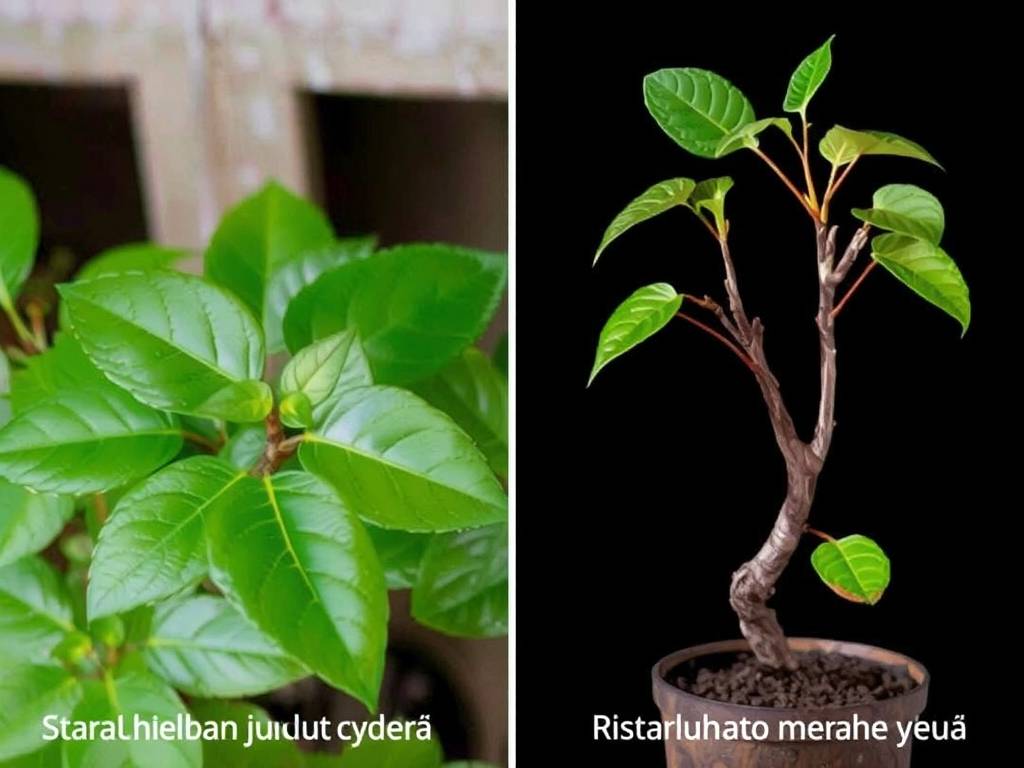
Rotate your jade 90 degrees every 2–3 weeks to ensure even light exposure—this prevents lopsided growth and keeps leaves full and firm.
4. Pest Infestations: Wilted Leaves with Spots or Sticky Residue
For small infestations: Wipe the leaves with a cotton ball dipped in rubbing alcohol (this kills mealybugs and aphids on contact). For spider mites, rinse the plant with a gentle stream of water (avoid getting water on the soil if it’s already wet) to wash away the mites.
For larger infestations: Use an insecticidal soap or neem oil (dilute it according to the label instructions). Spray the leaves (top and bottom) and stems, and repeat every 7–10 days for 2–3 weeks to kill any remaining pests or eggs.
To prevent future infestations: Inspect new plants before bringing them home (pests often hitchhike on new plants). Keep your jade in a well-ventilated area—good air flow deters pests.
Tackling Stem Rot: The Most Dangerous Jade Plant Issue
Signs of Stem Rot in Jade Plants
Soft, mushy stems: The stem (especially near the soil line) feels squishy or spongy when you press it. It may also turn brown or black, and the color may spread upward from the base.
Wilting leaves that fall off easily: Even if the soil is moist, the leaves will wilt because the rot is blocking water and nutrients from reaching them. Leaves may also turn yellow or brown and drop off with a light touch.
Foul smell: The stem or soil may have a rotten, unpleasant odor—this is a sure sign of decay.
Mold or fungus on the stem: You may see white, fuzzy mold or dark spots on the affected part of the stem.
How to Treat Stem Rot in Jade Plants
Remove the plant from its pot: Gently tap the sides of the pot to loosen the soil, then carefully pull the jade out. Brush off excess soil from the roots so you can see the stem and root system clearly.
Cut off all infected parts: Use clean, sharp pruning shears or a knife (sterilize with rubbing alcohol first). Cut the stem above the rotted section—make sure the cut is clean and you’re only left with healthy, firm stem tissue (it should be green or light brown, not soft or discolored). If the rot has spread to most of the stem, you may need to cut the plant back to just a few healthy leaves or a small stem cutting.
Trim rotted roots: If the roots are also rotted (black, mushy), trim them off until you see only white, firm roots. Discard any infected plant material—do not compost it, as the fungus can spread.
Let the plant dry out: Place the trimmed jade (or stem cuttings) in a warm, dry, shaded area for 2–3 days. This allows the cut ends to form a callus (a hard, dry layer), which prevents new rot from developing when you repot.
Repot in fresh soil and a clean pot: Use a new pot (or wash the old one with soap and water, then sanitize with a 10% bleach solution) with drainage holes. Fill it with fresh, well-draining succulent soil (avoid reusing old soil—it may contain fungus spores). Plant the jade so the callused stem is just above the soil line (if you’re using cuttings, plant them 1–2 inches deep).
Water sparingly after repotting: Wait 1–2 weeks before watering to let the roots settle and avoid stress. When you do water, use the soak-and-dry method—water until it drains out the bottom, then wait until the soil is completely dry before watering again.
How to Prevent Stem Rot
Never overwater: This is the #1 way to prevent stem rot. Stick to the soak-and-dry method, and only water when the top 2–3 inches of soil are dry.
Use well-draining soil and pots: Always plant jade in succulent/cactus soil mixed with perlite or sand, and use pots with drainage holes (terracotta pots are best for moisture control).
Avoid getting water on the stem: When watering, pour water directly onto the soil, not the stem or leaves. Water on the stem can lead to fungal growth.
Keep the plant in a well-ventilated area: Good air flow helps the soil dry faster and prevents moisture from building up around the stem.
Other Common Jade Plant Problems (and Their Fixes)
1. Leaf Drop (Leaves Falling Off)
Fix: Check the soil first—if it’s wet, let it dry out; if it’s dry, water thoroughly. Avoid moving the plant too often, and keep it away from cold drafts (like open windows in winter) or heat sources (heaters, air conditioners).
2. Brown Leaf Tips or Edges
Fix: If it’s fertilizer burn, flush the soil with water (pour water through the soil until it drains out) to wash away excess fertilizer. Stop fertilizing for 1–2 months, then resume with a diluted, balanced fertilizer (half strength) every 4–6 weeks in spring/summer. If it’s low humidity, place a tray of water near the plant (don’t let the pot sit in water) to add a little moisture to the air.
3. Slow Growth or No New Leaves
Fix: Move the plant to a brighter spot (or add a grow light). Fertilize with a diluted balanced fertilizer once every 4–6 weeks in spring/summer—this gives the plant the nutrients it needs to produce new growth.
Final Tips for Keeping Your Jade Plant Healthy
Stick to a consistent watering schedule: Use the soak-and-dry method, and never let the plant sit in standing water.
Give it plenty of light: Bright, indirect light (or a grow light) keeps leaves full and stems strong.
Use the right soil and pot: Well-draining soil and a terracotta pot with drainage holes prevent rot.
Inspect regularly: Check your jade’s leaves and stems weekly for signs of stress, pests, or rot—catching issues early makes them easier to fix.