bluename
 Jade Plant Care: From Cutting Propagation to Repotting
Jade Plant Propagation: Growing New Plants from Cuttings
Step 1: Choose and Take Healthy Cuttings
Stem cuttings (most recommended): Stem cuttings root faster and grow into full plants more quickly than leaf cuttings. Look for a stem that’s 3–6 inches long, with 2–3 sets of leaves. Use clean, sharp pruning shears or a knife (wipe the blade with rubbing alcohol first to prevent disease spread) to make a clean cut just below a leaf node (the small bump where a leaf attaches to the stem). This node is where new roots will form.
Leaf cuttings (great for small plants): If you only have a few leaves to spare, you can propagate from individual leaves. Gently twist a healthy leaf from the stem—make sure to get the entire leaf (including the small “base” that attaches to the stem; if this breaks off, the leaf won’t root). Avoid leaves that are yellow, soft, or damaged.
Step 2: Let Cuttings Callus Over (Critical!)
Place stem and leaf cuttings in a warm, dry, shaded area (away from direct sunlight). A windowsill with indirect light or a countertop in a well-ventilated room works well.
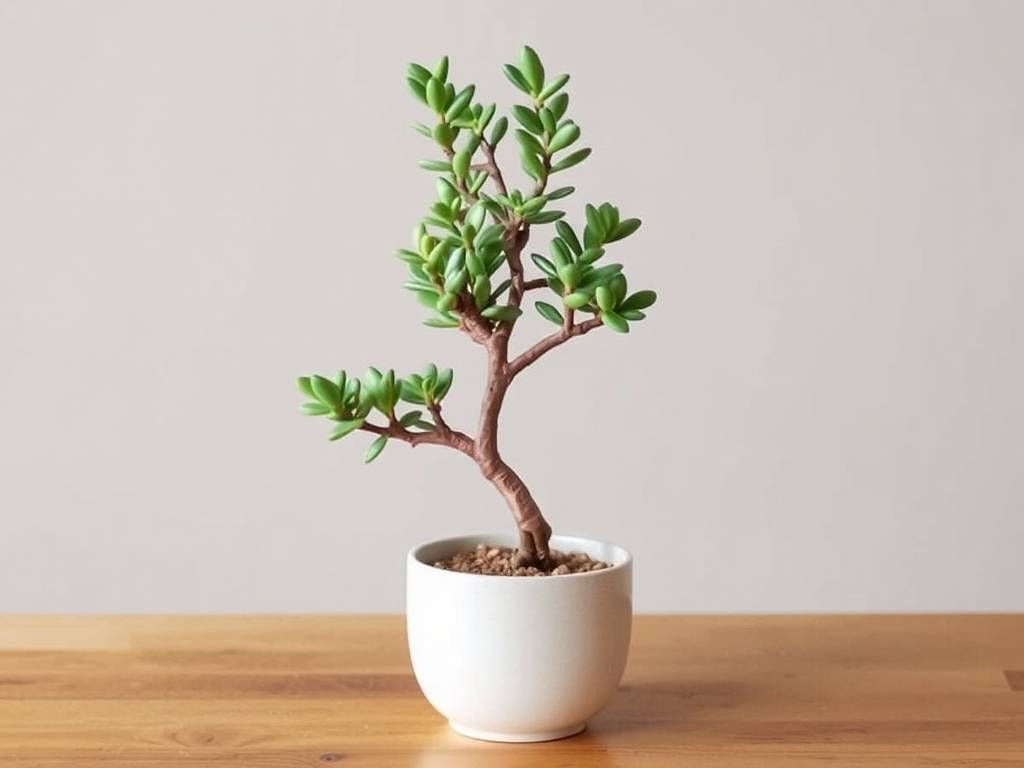
Let stem cuttings callus for 2–3 days; leaf cuttings may take 3–5 days (they’re smaller and need more time to dry fully).
Check the cut ends daily: the callus is ready when the end feels hard and dry, with no signs of moisture or softness. If you see mold or slime, discard the cutting—it’s too wet and will rot.
Step 3: Plant Cuttings in Well-Draining Soil
Soil mix: Use a commercial succulent or cactus mix, or make your own by combining 2 parts potting soil with 1 part perlite (or coarse sand). This mix keeps the roots aerated while holding just enough moisture to encourage rooting.
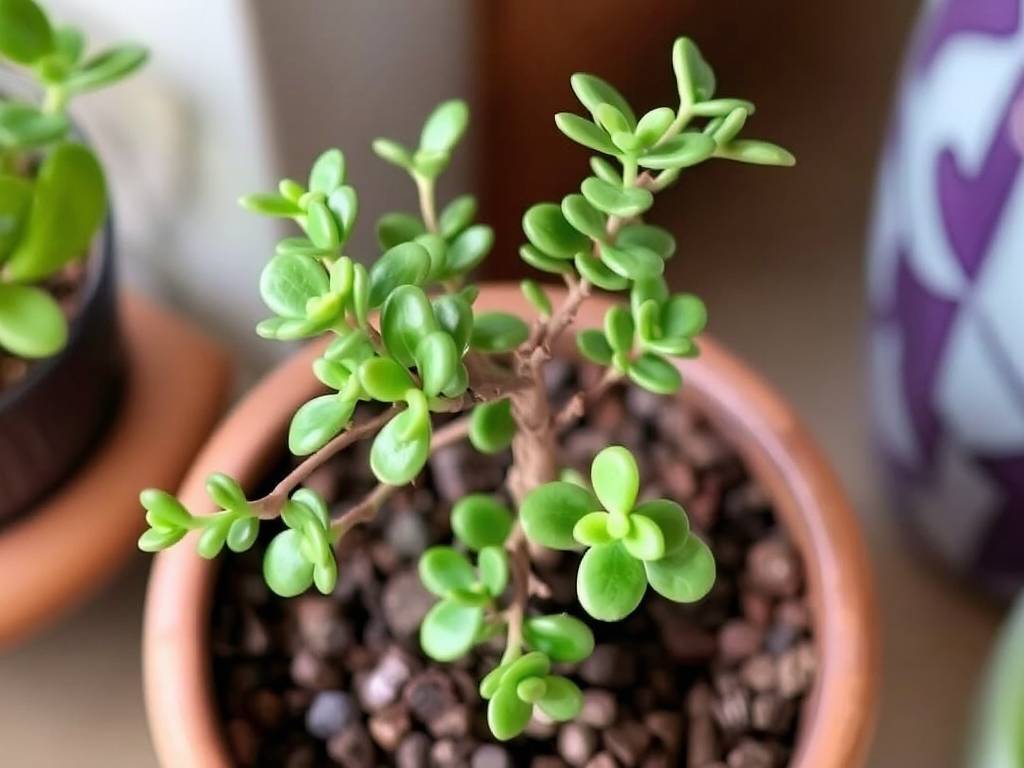
Pots: Choose small pots (2–3 inches in diameter) with drainage holes. Terra cotta pots are ideal because they absorb excess moisture, but plastic pots work too (just be extra careful not to overwater).
Planting stem cuttings: Make a small hole in the soil with your finger, then place the callused end of the stem 1–2 inches deep into the soil. Gently press the soil around the stem to hold it upright—you can add a few small stones around the base for extra support if needed.
Planting leaf cuttings: Lay the callused leaf flat on top of the soil, or press the callused end (the part that was attached to the stem) slightly into the soil (about ¼ inch deep). Don’t bury the entire leaf—this will cause it to rot.
Step 4: Care for Cuttings Until They Root
Light: Place the pots in a spot with bright, indirect light (e.g., an east-facing window). Avoid direct sunlight—this can dry out the cuttings or cause sunburn. If you use a grow light, keep it 12–18 inches above the cuttings and leave it on for 10 hours a day.
Watering: After the first 1–2 days, water the cuttings sparingly. Use the “soak and dry” method: water until the soil is slightly moist (not soggy) and let the top 1 inch of soil dry out before watering again. Overwatering is the #1 cause of rooted cutting failure, so err on the side of underwatering.
Temperature: Keep the area between 65–75°F (18–24°C)—this is the ideal range for root growth. Avoid cold drafts or sudden temperature changes.
How to Tell If Cuttings Have Rooted
Stem cuttings: Gently tug on the stem—if you feel resistance, roots have formed. You may also see new leaves growing at the top of the stem.
Leaf cuttings: Small “baby” jade plants (called “pups”) will start to grow from the callused end of the leaf. The parent leaf may shrink or turn brown as the pup grows—this is normal, as the leaf is feeding the new plant.
Jade Plant Repotting: When and How to Give Your Plant More Space
When to Repot a Jade Plant
Roots are visible: If roots are growing out of the drainage holes or circling the top of the soil, the plant needs more space.
Slow growth: If your jade hasn’t produced new leaves in 6–12 months (and it’s getting enough light and water), it may be root-bound.
Soil dries too quickly: If you water your jade and the soil dries out within 1–2 days, the roots have taken up most of the pot, leaving little room for soil to hold moisture.
Last repotted 2–3 years ago: Even if you don’t see obvious signs, repotting every 2–3 years refreshes the soil (which loses nutrients over time) and gives roots room to grow.
Step 1: Gather Supplies
New pot: Choose a pot that’s 1–2 inches wider in diameter than the current pot. It must have drainage holes (terracotta is best for moisture control). Avoid pots that are too large—excess soil will stay wet longer, increasing the risk of root rot.
Soil: Use a well-draining succulent or cactus mix (or the same 2:1 potting soil-perlite mix you used for cuttings).
Tools: A trowel (or your hands) to loosen soil, clean pruning shears (for trimming dead roots), and a soft brush (to remove old soil from roots).
Gloves (optional): Jade plant leaves are thick but can break if squeezed too hard—gloves can protect both your hands and the plant.
Step 2: Remove the Jade Plant from Its Current Pot
Water lightly 1–2 days before repotting: Moist soil holds together better, making it easier to remove the plant without breaking roots. Don’t water too much—soggy soil will make roots mushy and prone to breakage.
Loosen the soil: Tap the sides and bottom of the pot to loosen the root ball. If the plant is stuck, gently slide a trowel around the edges of the pot to separate the soil from the pot.
Pull the plant out carefully: Hold the plant by the base of the stem (near the soil line) and gently pull upward. If it doesn’t come out easily, don’t yank—tap the pot again or use the trowel to loosen more soil.
Step 3: Inspect and Trim the Roots
Remove old soil: Gently shake off excess soil from the roots, or use a soft brush to brush away soil (be careful not to break healthy roots).
Check for healthy roots: Healthy jade roots are white or light brown, firm, and slightly fleshy. Rotted roots are black, mushy, and smell bad; dead roots are dry, brittle, and gray.
Trim damaged roots: Use clean, sharp pruning shears to cut off any rotted or dead roots. Cut back to healthy tissue—if most roots are rotted, you may need to trim the stem too (follow the same steps as treating stem rot, covered in our earlier guide).
Let roots dry (if needed): If you trimmed a lot of roots (especially rotted ones), let the root ball sit in a warm, dry area for 1–2 hours to let the cuts callus over. This prevents rot when you repot.
Step 4: Repot the Jade Plant
Add soil to the new pot: Put 1–2 inches of fresh succulent soil in the bottom of the new pot. This creates a base for the root ball.
Position the plant: Place the jade plant in the center of the pot. The top of the root ball should be ½–1 inch below the rim of the pot—this leaves room for watering without soil spilling over.
Fill in with soil: Use your hands or a trowel to add soil around the root ball, pressing gently to eliminate air pockets. Make sure the soil is firm but not packed too tightly—roots need air to breathe.
Water lightly: After repotting, give the plant a small amount of water to help the soil settle. Don’t soak the soil—wait until the top 2–3 inches are dry before watering again (this follows the soak-and-dry method and prevents root rot).
Step 5: Post-Repotting Care
Light: Place the repotted jade in a spot with bright, indirect light (avoid direct sun for 1–2 weeks). This lets the plant recover without getting sunburned.
Watering: Stick to the soak-and-dry method—don’t overwater, as the plant’s roots are still adjusting.
Fertilizing: Wait 4–6 weeks before fertilizing. Fresh soil has nutrients, and fertilizing too soon can burn new roots.
Avoid moving: Don’t move the plant to a new spot for 2–3 weeks—consistent conditions help it recover faster.
Common Mistakes to Avoid (and How to Fix Them)
Propagation Mistakes
Planting cuttings without callusing: This causes rot. If you already planted uncallused cuttings, remove them, let them dry for 2–3 days, and replant in fresh soil.
Overwatering cuttings: Soft, mushy cuttings mean overwatering. Stop watering, let the soil dry out completely, and if the cutting is still firm, resume sparse watering.
Too little light: Cuttings stretch (etiolate) if they don’t get enough light. Move them to a brighter spot or add a grow light.
Repotting Mistakes
Using a pot that’s too large: Excess soil stays wet, leading to root rot. If you used a too-big pot, repot again into a smaller one (1–2 inches wider than the root ball) with fresh soil.
Damaging roots during removal: Broken roots can rot. If you damaged a few roots, trim the broken parts, let them callus, and repot—most jades recover from minor root damage.
Watering too much after repotting: Soggy soil harms new roots. Let the soil dry out completely, then water sparingly.