bluename
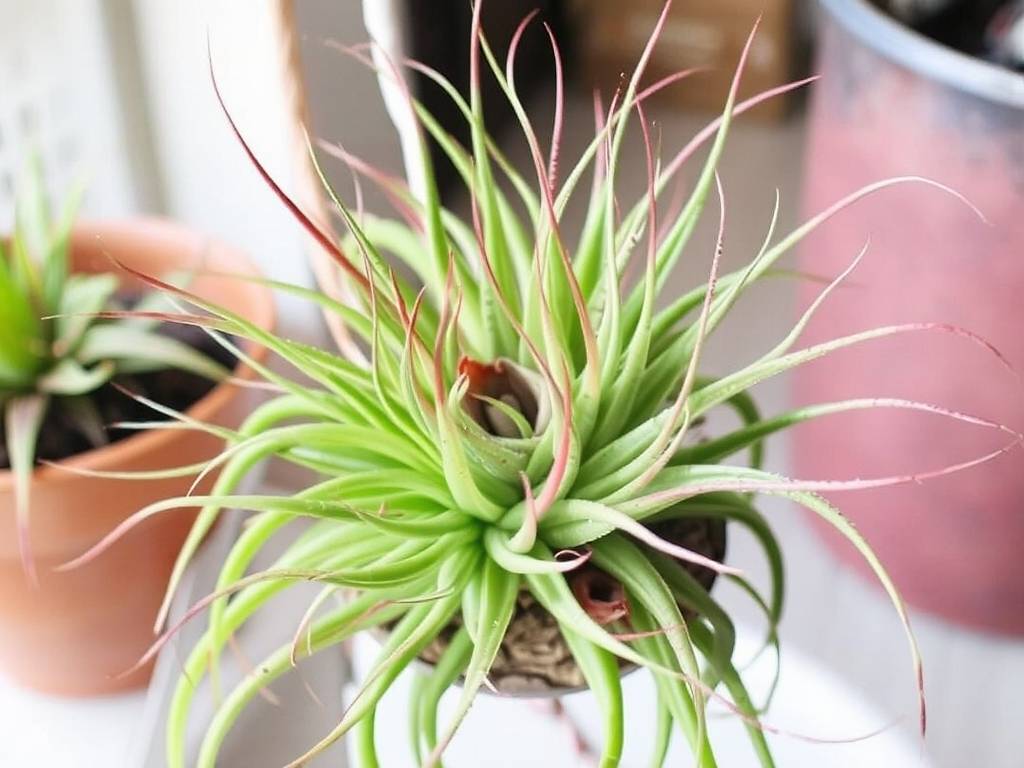
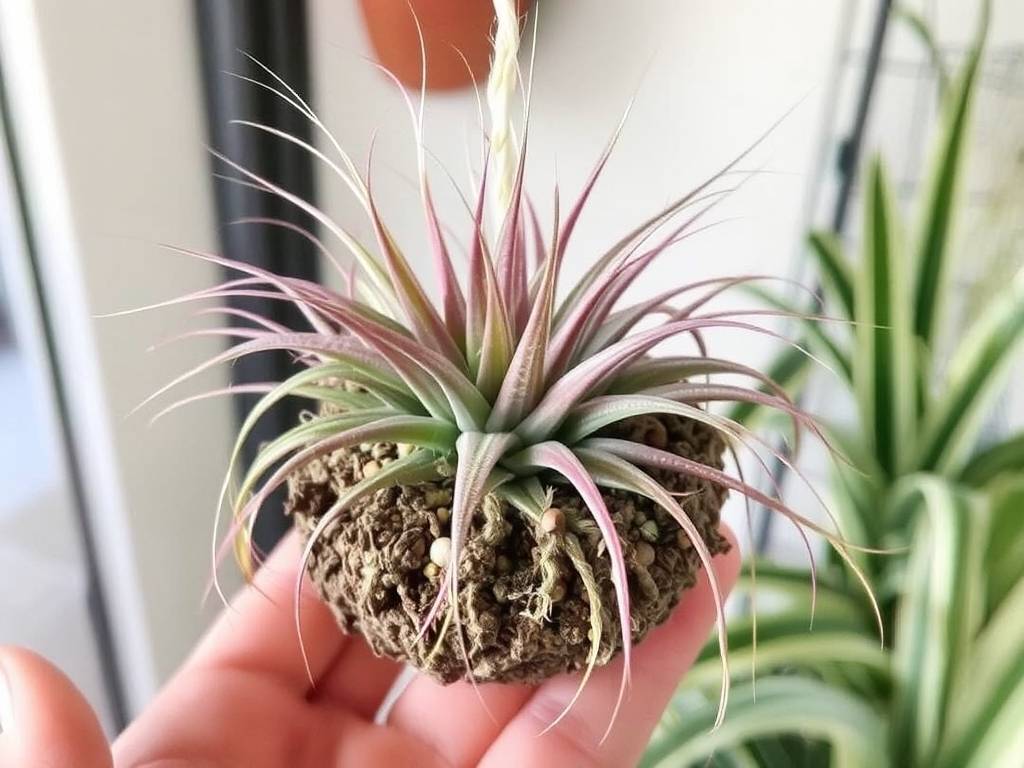
 # How to Care for Air Plants (Tillandsia) in Different Seasons: Winter Moisturizing and Summer Shading Tips Air plants (scientific name *Tillandsia*) are beloved for their soil-free convenience and quirky charm, but their needs shift with the seasons. Winter’s dry air and cold drafts can leave them parched, while summer’s harsh sun and heat risk scorching their leaves. The key to keeping your air plants thriving year-round is adjusting your care routine to match seasonal challenges—specifically, mastering winter moisturizing to combat dryness and summer shading to protect against intense sunlight. In this guide, we’ll break down exactly what to do each season, from hydration tweaks to placement changes, so your air plants stay lush and healthy no matter the weather. ## Winter Care for Air Plants: Beating Dryness with Targeted Moisturizing Winter is often the trickiest season for air plants. Indoor heating systems suck moisture from the air, creating a dry environment that’s far from their tropical native habitats (think rainforests or cloud forests, where humidity hovers around 40–60%). Add cold drafts from windows or doors, and you’ve got a recipe for crispy leaves, dormant growth, and even plant stress. The solution? Prioritize moisturizing—both for the plants themselves and the air around them—while avoiding overwatering (a common winter mistake). Let’s break down the steps. ### 1. Adjust Hydration: Soak Longer, Mist More (But Dry Thoroughly!) In winter, air plants lose moisture faster to dry indoor air, so your usual watering routine won’t cut it. Here’s how to tweak it: - **Soak more deeply (but not more often)**: Instead of short 10–15 minute soaks, extend soak time to 20–30 minutes for small to medium air plants (like *Tillandsia ionantha* or *Tillandsia bulbosa*), and 30–45 minutes for larger, thicker-leaved varieties (like *Tillandsia xerographica* or *Tillandsia capitata*). This gives their trichomes (tiny water-absorbing scales on leaves) time to fully saturate. - **Soak less frequently**: Even though they need more moisture, winter air plants grow slower (or go dormant), so they can’t use water as quickly. Stick to soaking once every 2–3 weeks—any more, and you risk rot (since cold air slows evaporation). - **Mist between soaks**: A light mist 2–3 times a week补充s hydration without overloading the plant. Use a fine-mist spray bottle and room-temperature water (cold water shocks winter air plants!). Focus on the undersides of leaves, where trichomes are most dense. - **Dry completely (critical!)**: After soaking or misting, dryness is non-negotiable. Winter’s cool, still air means moisture takes longer to evaporate—trapped water leads to rot fast. Gently shake excess water from the plant, then lay it upside down on a clean paper towel in a warm, ventilated spot (away from heaters, though!). Let it dry for 6–8 hours (longer than in summer) before returning it to its display. Pro tip: Use a hygrometer to check indoor humidity. If it’s below 30%, your air plants need extra moisture—consider the humidifying tricks below. ### 2. Boost Humidity Around Your Air Plants Dry air is the #1 winter enemy, so raising humidity in their immediate area makes a huge difference. Try these easy, plant-safe methods: - **Pebble tray**: Fill a shallow tray with small pebbles, then add water until it reaches just below the top of the pebbles (so the plant doesn’t sit in water). Place your air plant’s display on top of the pebbles—As the water evaporates, it adds moisture to the air. Refresh the water every 2–3 days to keep humidity consistent. - **Group air plants together**: Plants release tiny amounts of moisture through transpiration. Clustering your air plants creates a microclimate with higher humidity—just make sure they’re not touching each other (this blocks airflow and risks rot). - **Humidifier**: A small room humidifier is the most effective way to boost humidity. Set it to 40–50% and place it near your air plants (but not so close that water sprays directly on them). Run it for a few hours a day, especially when your heater is on high. ### 3. Protect Against Cold Drafts and Heater Blasts Winter’s temperature fluctuations are tough on air plants. They prefer stable temps between 60–80°F (15–27°C)—anything below 50°F (10°C) can damage them, and direct blasts of hot air from heaters dry them out instantly. - **Move them away from drafty spots**: Keep air plants at least 3 feet away from windows (especially single-pane ones), doors, and vents. If you have a window with good light, place a barrier (like a sheer curtain) between the plant and the glass to block cold drafts. - **Avoid cold windowsills**: Even if a window has bright light, the sill can get cold in winter—set your air plant on a shelf near the window instead of directly on the sill. - **Check heater placement**: Never put air plants near space heaters or HVAC vents. The hot, dry air will crisp their leaves in days. ## Summer Care for Air Plants: Shading to Beat Harsh Sun and Heat Summer brings warmth and longer days—great for air plant growth—but it also brings intense sunlight (especially afternoon sun) and hot, dry air (if you use AC). Too much direct sun scorches leaves, while heat speeds up moisture loss, leading to dehydration. The main goal in summer? Protect your air plants from harsh rays with proper shading, while adjusting hydration to keep up with their faster growth. ### 1. Shade Smartly: Avoid Direct Afternoon Sun Air plants love bright light, but summer’s direct sun (especially from 12–4 PM) is too strong. It burns their leaves, turning them brown, crispy, or faded. Here’s how to shade them effectively: - **Choose the right spot**: Move air plants to areas with bright, indirect light. The best spots are: - Near east-facing windows: They get gentle morning sun (cool and low-intensity) and shade in the afternoon—perfect for summer. - 3–4 feet away from south or west-facing windows: These windows get intense afternoon sun. Even with a sheer curtain, placing them too close risks burn. - Under a sheer curtain: If you only have south/west windows, hang a lightweight sheer curtain to filter the sun. This softens the light without blocking enough to slow growth. - **Outdoor care (if you move them outside)**: Many people bring air plants outdoors in summer—just be careful! Place them in a shaded spot (like under a porch awning, tree, or patio umbrella) where they get dappled light. Never leave them in full sun outdoors—even an hour can scorch them. Bring them inside if temperatures rise above 90°F (32°C). ### 2. Hydrate More to Keep Up with Heat Summer heat makes air plants lose moisture faster, and their growth speeds up—so they need more water than in winter. Here’s how to adjust: - **Soak more frequently**: Soak small to medium air plants every 1–2 weeks, and larger ones every 2 weeks. Soak time stays the same (10–30 minutes), but frequency increases to match their higher water needs. - **Mist more often**: Mist 3–4 times a week between soaks to keep leaves from drying out. In very hot, dry weather (over 85°F/29°C), add an extra mist day—just make sure the plant dries within 4–6 hours (summer’s warm air helps with this!). - **Use cooler water (but not cold!)**: In summer, room-temperature water is still best, but you can use slightly cooler water (like 65–70°F/18–21°C) to refresh the plant—avoid ice-cold water, which shocks them. - **Dry quickly**: Summer’s warm, breezy air helps plants dry faster, but don’t skip this step. Shake off excess water and lay them upside down in a ventilated spot—they should be dry within 4 hours. If it’s humid (like during a summer rainstorm), use a small fan to speed up drying. ### 3. Ventilate Well to Prevent Heat Stress Stagnant, hot air in summer can stress air plants and trap moisture (even in the heat). Good airflow keeps them cool and ensures excess water evaporates. - **Open windows daily**: Let fresh air circulate—this cools the plant and prevents stale air buildup. If it’s too hot outside, open windows in the morning or evening when temps are lower. - **Use a fan**: A small desk fan set to low speed near your air plants helps keep air moving. Aim it so the air flows *near* the plant, not directly at it (direct wind dries leaves too fast). - **Avoid closed displays**: Summer is not the time for closed terrariums or glass jars. Even if they’re in shade, closed containers trap heat and moisture—stick to open displays (wire holders, driftwood, or magnetic mounts) for maximum airflow. ## Seasonal Bonus Tips: Keep Air Plants Thriving Year-Round Beyond winter moisturizing and summer shading, a few extra tweaks will keep your air plants happy in any season: ### Fertilize Seasonally Air plants don’t need much fertilizer, but seasonal feeding supports growth: - **Spring and summer (growing season)**: Fertilize once a month with diluted bromeliad fertilizer (air plants are part of the bromeliad family). Mix 1/4 teaspoon of fertilizer into a cup of distilled water, then mist the plant with the mixture—this combines hydration and feeding. - **Fall and winter (dormant season)**: Stop fertilizing. Air plants grow slowly or not at all in cold weather, so they can’t use the nutrients—fertilizer buildup can harm them. ### Trim Dead Leaves Dead, brown leaves are normal (especially in winter, when growth slows), but they can trap moisture and attract pests. Gently pull off dead leaves—if they don’t come off easily, use clean, sterilized scissors to trim them (dip scissors in rubbing alcohol first to prevent disease). ### Watch for Seasonal Pests Pests like mealybugs (small white fuzzy insects) and scale (brown shell-like bugs) are more common in summer, when warm air encourages their growth. Check your air plants weekly: - If you see pests, wipe leaves with a cotton swab dipped in rubbing alcohol. - Repeat every 3 days until pests are gone—summer’s warmth means pests multiply fast, so act quickly. ### Rotate for Even Light No matter the season, indoor light is uneven (e.g., one side of a shelf is brighter than the other). Rotate your air plants 180 degrees every week—this ensures all leaves get light, preventing lopsided growth. If you like my website, please save the URL plantcarenews.com or search for plantcarenews on Google