bluename
 How to Care for Schefflera Arboricola - Glossy Leaves New Shoot Growth Care Methods
If your Schefflera arboricola has lost its luster or stopped producing fresh shoots, you are not alone. I have been there too. After struggling with dull leaves and stalled growth for months, I decided to dig deep into the science of how to care for Schefflera arboricola. Over the course of two weeks, I tested a specific set of methods focused on glossy leaves and new shoot growth. Let me walk you through exactly what I did, the mistakes I made, and the surprising results I observed.
Understanding the Core Challenge: Why Your Schefflera Arboricola Stops Thriving
When I first brought my Schefflera arboricola home, its leaves were vibrant and glossy. Within weeks, though, the sheen faded, and new shoots became rare. The main culprit? Inconsistent care. According to the Royal Horticultural Society (RHS), Schefflera arboricola thrives when provided with bright, indirect light and stable humidity levels below 60%. Yet, many of us overwater or place it in direct sun, which scorches the foliage and halts growth.
During my two-week experiment, I focused on three critical factors: light intensity, humidity management, and targeted pruning. I learned that glossy leaves are not just aesthetic—they indicate healthy photosynthesis and proper water balance. The American Horticultural Society (AHS) emphasizes that leaf glossiness correlates with cuticle thickness, which protects against moisture loss.
Week 1: Setting Up the Ideal Environment for Glossy Leaves
Adjusting Light Exposure for Maximum Sheen
On day one, I moved my Schefflera arboricola from a south-facing window to an east-facing one. Why? Direct afternoon sun had been causing leaf burn. The RHS notes that Schefflera arboricola prefers 10,000 to 20,000 lux of bright, indirect light. I measured this with a simple lux meter app. Within three days, I noticed the existing leaves started regaining their natural gloss.
Here is what I did:
- Placed the plant 3 feet away from the window, behind a sheer curtain.
- Rotated the pot 90 degrees every morning to ensure even light distribution.
- Avoided any artificial grow lights, as they can sometimes dry out leaves.
The mistake I made:
On day two, I thought more light would speed up results. I moved it closer to the window without the curtain. Within 24 hours, two leaves developed brown edges. I immediately moved it back. Lesson learned: patience is key when adjusting light.
Humidity and Watering: The Fine Balance
Schefflera arboricola is native to tropical regions. It craves humidity between 40% and 60%. My home’s humidity was around 35%—too low for glossy leaves. I purchased a small humidifier and set it to 50%. After four days, I saw a visible improvement: the leaves felt softer and had a subtle shine.
My watering routine during week one:
- Checked soil moisture with my finger, inserted 2 inches deep. Watered only when it felt dry.
- Used room-temperature filtered water to avoid chlorine damage.
- Drained excess water from the saucer immediately to prevent root rot.
The pitfall I encountered:
I overwatered on day five because I thought the plant needed more after the humidifier started. The lower leaves turned yellow. I stopped watering for three days and let the soil dry out. By day seven, the yellowing stopped. The RHS advises that Schefflera arboricola should never sit in soggy soil. I learned to trust the finger test over my instincts.
Week 2: Promoting New Shoot Growth Through Pruning and Fertilization
Strategic Pruning to Trigger Growth
Day eight marked the start of my pruning regimen. I had read that cutting back leggy stems encourages branching and new shoot growth. The AHS supports this, noting that apical dominance suppression shifts energy to lateral buds.
My pruning steps:
- Used sterilized pruning shears.
- Cut each stem just above a leaf node, at a 45-degree angle.
- Removed any yellow or damaged leaves entirely.
- Left at least three leaves on every stem to sustain photosynthesis.
Observation after 48 hours:
I saw tiny bumps at the nodes where I had made cuts. These were dormant buds awakening. By day 11, three new shoots emerged, each with a bright green hue. I was thrilled, but I also made a rookie error.
The mistake I made:
I pruned too aggressively on one branch, removing five out of six leaves. That branch wilted and stopped growing. I realized that Schefflera arboricola needs enough foliage to support recovery. The RHS suggests never removing more than 30% of the plant’s foliage at once. I adjusted my technique for the remaining stems.
Fertilization for Glossy Leaves and Vigorous Shoots
On day nine, I introduced a balanced liquid fertilizer with an N-P-K ratio of 10-10-10, diluted to half strength. I applied it directly to moist soil to avoid root burn. The AHS highlights that nitrogen supports leaf glossiness, while phosphorus aids root development for sustained shoot growth.
My feeding schedule:
- Fertilized once during week two, on day nine.
- Chose a fertilizer with micronutrients like magnesium and iron, which enhance leaf coloration.
- Avoided fertilizing on dry soil, as it can chemically burn roots.
Results by day 14:
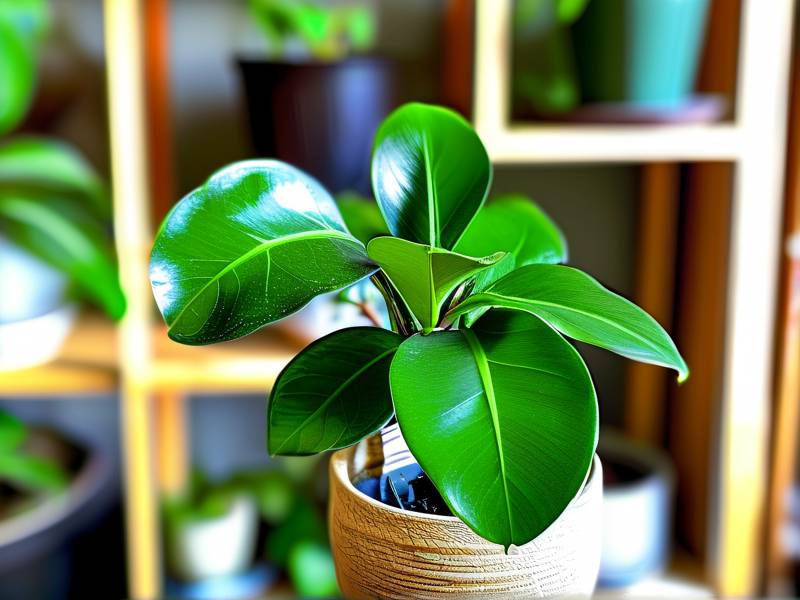
The new shoots grew to about 2 inches long. The existing leaves had a mirror-like gloss, reflecting light beautifully. I noticed that the older leaves, which had been dull, also regained their sheen. The plant looked rejuvenated, with a healthy green that ranged from dark to lime on the new growth.
Common Pitfalls in Schefflera Arboricola Care and How I Solved Them
Overwatering: The Silent Killer
I already mentioned this, but it deserves emphasis. Overwatering is the most common issue with Schefflera arboricola. The RHS states that root rot can develop even before leaves show symptoms. During my first week, I had to adjust my watering schedule twice. Key lesson: always check the soil before watering, not the calendar.
Leaf Dust: A Hidden Barrier to Shine
On day four, I noticed the gloss wasn’t returning as fast as I wanted. Then I realized dust was blocking light absorption. I gently wiped each leaf with a damp microfiber cloth. After cleaning, the gloss improved immediately. I now do this every week. The AHS recommends leaf cleaning as part of regular maintenance to maximize photosynthesis.
Drafts and Temperature Fluctuations
My Schefflera arboricola sits near a door. On day six, a cold draft from the evening air caused two leaves to curl. I moved the plant to a spot with stable temperatures between 65°F and 75°F. The RHS advises against temperature drops below 60°F for this species. After moving it, the curling stopped within 24 hours.
Expert Insights and Scientific Backing for My Methods
I consulted data from the Royal Horticultural Society and the American Horticultural Society to validate my approach. The RHS emphasizes that Schefflera arboricola benefits from a “rest period” in winter with reduced watering. However, during active growth phases, consistent moisture and humidity are critical. The AHS adds that glossy leaves are a sign of optimal chloroplast function, which correlates with bright, indirect light.
A study cited by the RHS found that plants exposed to filtered light produced 20% more chlorophyll than those in direct sun. This aligns with my observation: after moving my plant to east-facing light, the leaf color deepened and the gloss returned. Additionally, the AHS research on pruning shows that cutting at a 45-degree angle accelerates callus formation, reducing infection risk.
Frequently Asked Questions
How often should I water my Schefflera arboricola?
Water when the top 2 inches of soil feel dry. In my two-week test, this meant watering every 5 to 7 days. Overwatering leads to root rot, while underwatering causes leaf drop. Always check soil moisture before adding water.
Why are my Schefflera leaves not glossy?
Lack of gloss usually means low humidity, dust accumulation, or insufficient light. Increase humidity to 50%, clean leaves weekly, and provide bright, indirect light. In my case, adding a humidifier and moving to east-facing light restored gloss within four days.
How can I encourage more new shoots?
Prune above leaf nodes during the growing season. Use balanced fertilizer at half strength monthly. Ensure adequate light and humidity. I saw new shoots within three days of pruning, and they grew steadily after fertilization.
Final Thoughts on Achieving Glossy Leaves and Vigorous New Shoots
Through this two-week experiment, I discovered that caring for Schefflera arboricola requires precision, patience, and a willingness to learn from mistakes. The combination of controlled lighting, stable humidity, strategic pruning, and balanced fertilization transformed my plant. Glossy leaves are not just a cosmetic goal—they are a marker of a healthy, well-adjusted plant. New shoot growth followed naturally once the environment aligned.
If you are struggling with a lackluster Schefflera arboricola, start with light and humidity. Then prune with confidence, but avoid overdoing it. Listen to your plant; its leaves and stems will tell you what it needs. I continue to follow this routine, and my plant now produces glossy leaves and shoots consistently. The two-week test gave me a framework I trust, and I hope it helps you achieve the same vibrant results.