bluename
 How to Care for Kalanchoe - Summer Care to Avoid Black Rot & Survive Heat
Summer can be a challenging season for your beloved kalanchoe plant. Just when you think your vibrant succulent is thriving, you might notice ominous dark, mushy spots at the base of the stem or on the leaves. This is black rot, a fast-acting fungal disease that thrives in the heat and humidity of summer, and it's the number one fear for kalanchoe owners during the warmer months. But don't despair. With the right summer care strategy, you can not only prevent this dreaded condition but also help your kalanchoe not just survive, but actively flourish through the heat.
This comprehensive guide will walk you through every critical step. We'll focus on creating an environment where black rot cannot take hold, ensuring your plant remains healthy, colorful, and resilient all summer long.
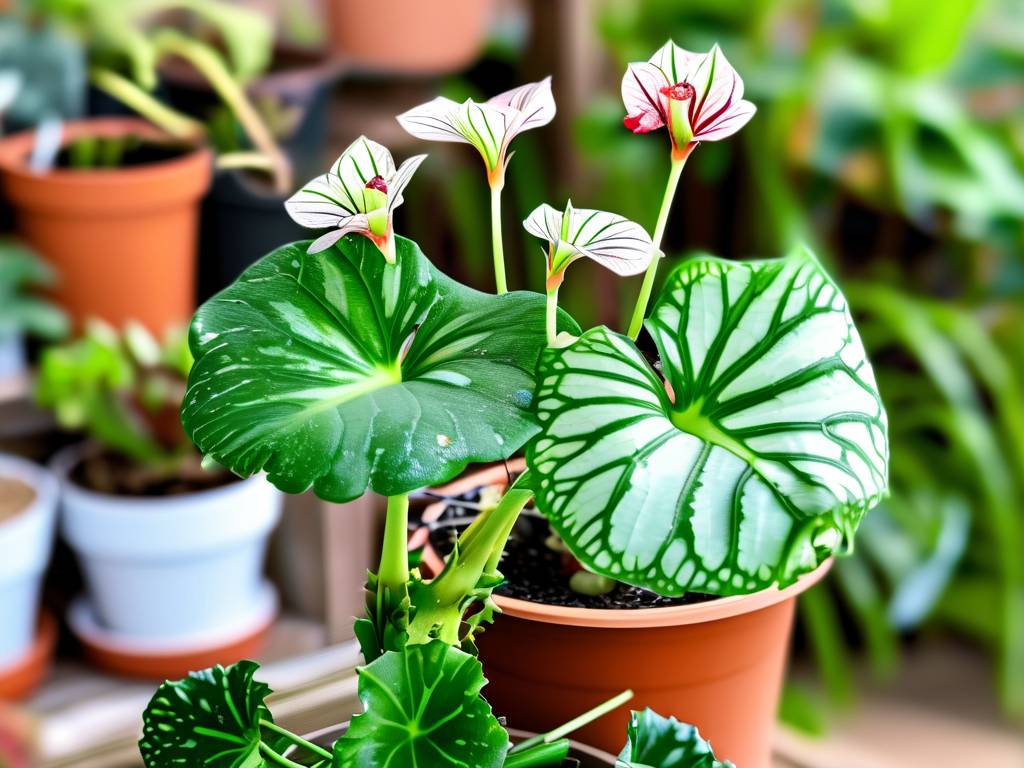
Understanding Your Kalanchoe's Summer Needs
Kalanchoe blossfeldiana, the most common variety, is a succulent native to Madagascar. It is inherently adapted to arid, warm conditions with bright light and excellent drainage. However, the combination of intense heat, increased humidity, and potential overwatering in summer creates a perfect storm for fungal pathogens like Pythium and Phytophthora, which cause black rot. Your goal is to replicate its preferred dry, breezy conditions even during the season's extremes.
The cornerstone of summer care is a simple shift in mindset: from promoting growth to supporting survival and preventing stress. Heat can cause dormancy or slow growth, and your care routine should reflect that.
Mastering the Art of Summer Watering
This is the single most important factor in preventing black rot. Overwatering is the primary cause, as saturated soil suffocates roots and invites fungal infection.
First, always use the "soak and dry" method. Water thoroughly until it runs freely from the drainage holes, then do not water again until the soil is completely dry. In summer, this might mean watering less frequently than you think, even if it's hot. Heat speeds up evaporation, but it also increases the risk of moisture-related diseases.
Second, always water at the soil level. Avoid getting water on the leaves and crown of the plant. Standing water on the foliage, especially in the evening, can lead to leaf rot and create entry points for fungus. Water early in the morning so any accidental splashes can evaporate quickly in the day's sun.
Finally, check the soil, not the calendar. Don't water on a fixed schedule. Insert your finger into the soil up to the second knuckle. If it feels dry, it's time to water. If there's any moisture at all, wait. Consider using a moisture meter for an accurate reading.
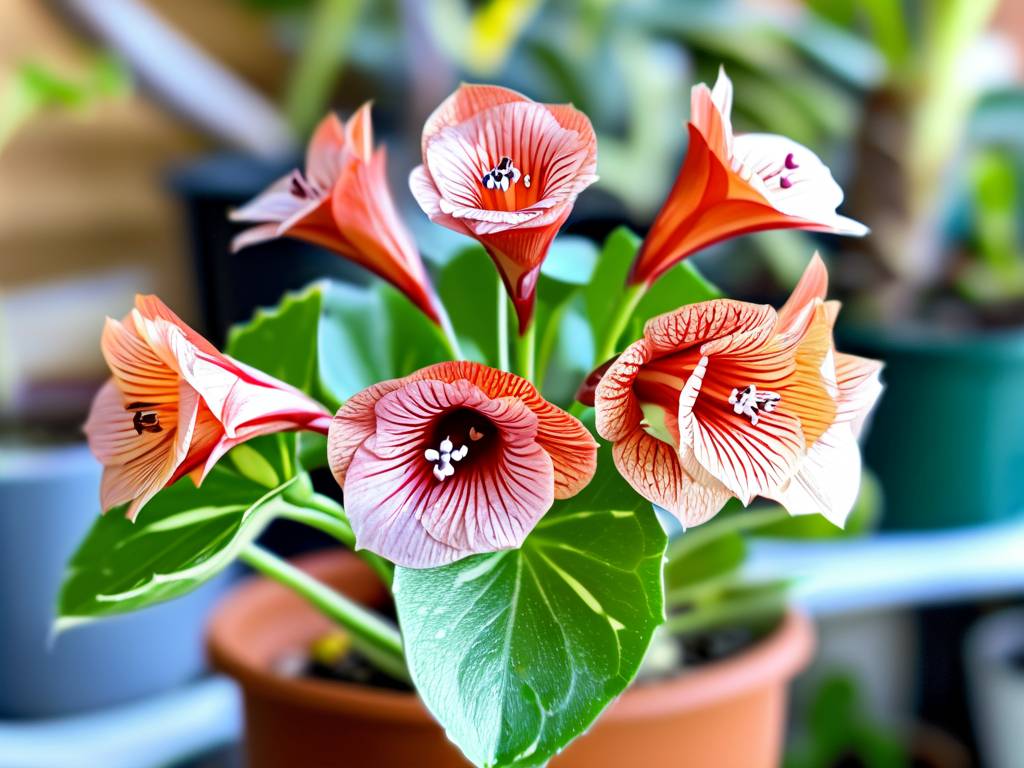
Optimizing Light and Temperature for Heat Survival
Kalanchoe loves bright light, but summer sun can be too intense, leading to sunburn. Sunburned tissue is weakened and more susceptible to disease.
Provide bright, indirect light for most of the day. An east-facing window is ideal for indoor plants. For outdoor kalanchoe, offer dappled shade during the peak afternoon hours (from about 11 am to 3 pm). A spot under a patio cover or beneath a tree that filters sunlight is perfect.
Watch for signs of light stress. If leaves are turning pale, developing brown, crispy patches, or curling inward, it's getting too much direct sun. Move it to a slightly shadier location immediately.
Regarding temperature, kalanchoe prefers temperatures between 60-85°F (15-29°C). It can tolerate higher heat if the air is dry and there's good airflow. However, prolonged exposure to temperatures above 90°F (32°C) can cause heat stress. Ensure good ventilation around the plant to help with cooling.
Soil and Potting: The Foundation of Health
The right soil mix is your best defense against waterlogging and rot. Standard potting soil retains too much moisture.
Use a fast-draining succulent or cactus mix. You can enhance a commercial mix by adding extra perlite or pumice (up to 50% of the total volume) to maximize drainage and aeration. This creates an environment where roots can breathe and water cannot pool.
The pot choice is equally critical. Always use a container with multiple drainage holes. Terracotta pots are excellent for summer as they are porous, allowing the soil to dry out more evenly from the sides as well as the bottom. Ensure the pot is not too large; a kalanchoe prefers to be slightly root-bound. An oversized pot holds more wet soil, increasing the risk of rot.
Promoting Vital Airflow and Humidity Control
Stagnant, humid air encourages fungal spores to settle and proliferate. Good airflow is a natural fungicide.
If kept indoors, ensure the room is well-ventilated. A gentle fan oscillating in the room can significantly improve air circulation without blasting the plant directly. Avoid placing your kalanchoe in a cramped corner or a closed terrarium—these are death traps in summer.
For outdoor plants, natural breezes are usually sufficient, but ensure plants aren't overcrowded. Space them out so air can move freely between leaves and stems. According to the American Horticultural Society's plant care guidelines, adequate spacing is a primary cultural practice for preventing disease in garden settings.
While kalanchoe doesn't require high humidity, summer air can be muggy. Indoors, if humidity is consistently very high, a dehumidifier can help. Outdoors, focus on airflow and watering discipline to counteract ambient humidity.
Proactive Monitoring and Early Intervention
Inspect your kalanchoe weekly. Look at the base of the stem, the undersides of leaves, and the soil surface. Early detection of black rot is key to saving the plant.
If you see a black, soft, sunken area, you must act immediately. Using a sterile knife or scissors, cut away all affected tissue, making clean cuts well into healthy, firm green tissue. The Royal Horticultural Society (RHS) advises that when dealing with stem rot, you must cut back to completely clean, unaffected stem, as the fungus travels inside the plant ahead of visible symptoms.
After each cut, sterilize your tool with rubbing alcohol to prevent spreading spores. Let the cut areas callous over in a dry, shaded spot for a day or two before repotting in fresh, dry succulent mix. Do not water the newly potted plant for at least a week.
Nutrition and Growth Management in Summer
Fertilizing needs change in summer. If your plant is stressed by heat or you are battling humidity, avoid fertilizer altogether, as it can force tender new growth that is more susceptible to rot.
If your kalanchoe is in an ideal, stable environment and showing active growth, you can feed it sparingly. Use a balanced, water-soluble fertilizer diluted to half-strength, and apply it only once at the very beginning of summer. The mantra is "less is more."
Some kalanchoe may enter a semi-dormant state in extreme heat, focusing energy on survival rather than new leaves or blooms. This is normal. Respect this cycle by reducing water and withholding fertilizer until cooler temperatures return.
My kalanchoe leaves are wrinkling and soft. Am I underwatering? Wrinkling can signal underwatering, but if the leaves are also soft and mushy, it's more likely the early stages of overwatering or rot. Check the soil. If it's bone dry, give it a thorough soak. If it's damp, hold off on water and improve airflow. True underwatering causes dry, crispy wrinkles, not softness.
Can I save a kalanchoe if the main stem has black rot? Yes, if there is any healthy stem or leaf tissue left. If the rot is at the base, cut the plant back to clean, firm stem. You can also try to propagate healthy leaves or stem cuttings. Allow the cuttings to callous for several days, then place them on dry soil. Do not water until you see new roots forming, which can take a few weeks.
Should I move my outdoor kalanchoe inside for the summer? Not necessarily. If you can provide a shaded, breezy spot with protection from heavy rain, outdoors is fine. The key is controlling water and light. Bring it indoors only if you cannot shield it from torrential downpours or if outdoor temperatures consistently exceed 95°F (35°C) with high humidity, creating oppressive conditions.
Success with kalanchoe in the summer hinges on a disciplined, observant approach. By prioritizing perfect drainage, cautious watering, and vigilant monitoring, you create an environment where your plant is resilient. Black rot is a formidable opponent, but it is almost always preventable. Your kalanchoe is built for tough conditions; your summer care should empower that natural strength, allowing its cheerful blooms and sturdy foliage to bring joy all season long without the shadow of disease.