bluename
 How to Care for Cinnamomum Kotoense: Mastering Ventilation to Prevent Yellow Leaves
You’ve brought home a beautiful Cinnamomum kotoense, captivated by its glossy, aromatic leaves. But now, those once-vibrant green leaves are starting to turn a worrying shade of yellow. Before you panic and reach for fertilizer or extra water, consider this: the issue might not be in the soil, but in the air. Improper air circulation is one of the most common, yet overlooked, culprits behind yellowing leaves on your treasured plant. This guide will delve deep into the critical role of ventilation in Cinnamomum kotoense care, providing you with a clear, actionable strategy to restore its health and prevent future discoloration.
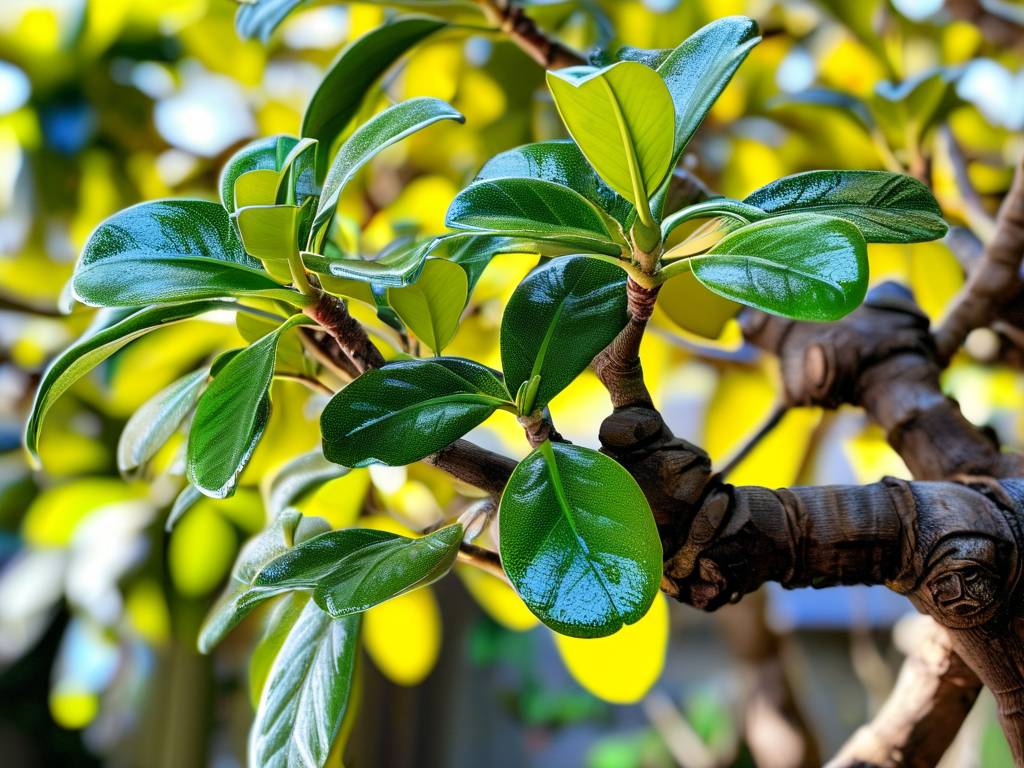
Understanding why leaves turn yellow is the first step toward a cure. Yellow leaves, or chlorosis, signal that something is interfering with chlorophyll production. While nutrient deficiencies, overwatering, and pests are frequent causes, stagnant air creates a cascade of problems that directly lead to this symptom. By mastering the art of proper airflow, you address a fundamental pillar of plant health.
The Vital Link Between Airflow and Leaf Health
Plants breathe through tiny pores on their leaves called stomata. For Cinnamomum kotoense, efficient gas exchange is non-negotiable. It needs to take in carbon dioxide for photosynthesis and release oxygen and water vapor. In a stagnant environment, this process slows down dramatically.
Stagnant air allows humidity to build up around the foliage, creating a microclimate perfect for fungal pathogens like powdery mildew or leaf spot diseases. These fungi attack leaf tissues, disrupting their function and causing yellowing, spotted, or dropping leaves. Furthermore, poor ventilation stresses the plant, making it more susceptible to pest infestations such as spider mites, which thrive in still, dry conditions often found in corners of rooms.
Experts from the Royal Horticultural Society (RHS) consistently emphasize that good air movement is a key preventative measure. It strengthens cell walls, helps regulate leaf temperature, and ensures the even distribution of carbon dioxide around the plant, all of which contribute to robust, green growth.
How to Implement Perfect Ventilation for Your Cinnamomum Kotoense
Creating the ideal breezy environment doesn't mean placing your plant in a wind tunnel. It’s about consistent, gentle air movement that mimics the natural breezes of its native habitat.
Strategic Placement is Key
Avoid placing your plant in dead-air zones. These are typically corners, tight spaces between furniture, or recessed shelves. Instead, position it in a room where air naturally moves. A spot near a door that is frequently opened, or in a room with a central air vent (but not directly in the blast of cold or hot air), can be ideal.
The distance from windows matters. While it needs bright, indirect light, pressing it directly against a windowpane can sometimes limit air circulation around the back of the plant. A few inches of space can make a significant difference.
Employing Tools for Consistent Airflow
For most indoor settings, a simple oscillating fan is your best ally. Set it on low speed and place it several feet away from your Cinnamomum kotoense, ensuring it oscillates to provide a gentle, sweeping breeze rather than a constant direct stream. The goal is to see the leaves barely rustle. Run the fan for a few hours during the day, especially in more humid climates or seasons.
In terrariums or enclosed plant cabinets, small, USB-powered computer fans can be installed to create essential micro-circulation, a technique often recommended by advanced horticultural societies like the American Horticultural Society (AHS).
Don’t forget the simple act of opening windows when weather permits. Cross-ventilation from two open windows is incredibly effective at refreshing the air for all your houseplants.
The Synergy of Ventilation, Watering, and Humidity
Proper ventilation for Cinnamomum kotoense cannot be discussed in isolation. It works hand-in-hand with your watering routine and humidity management.
Overwatering in stagnant air is a death sentence. Wet soil + no airflow = root rot. Good ventilation helps soil dry more evenly and at an appropriate rate, preventing the soil from staying soggy. Always check soil moisture before watering, and ensure your pot has adequate drainage holes.
While Cinnamomum kotoense appreciates moderate humidity, misting the leaves in a poorly ventilated room can do more harm than good. Water droplets sitting on leaves encourage fungal growth. If you need to raise humidity, use a pebble tray or a humidifier placed in the general room area, coupled with good airflow to keep the moisture moving.
Seasonal Adjustments for Year-Round Health
Your ventilation strategy should change with the seasons. In winter, when windows are shut and heating systems dry and recirculate stale air, air circulation becomes even more critical to prevent pest outbreaks. A gentle fan remains important.
In summer, you can leverage open windows more frequently. However, be mindful of intense, hot drafts which can scorch leaves, and always provide shade from direct afternoon sun.
Signs Your Ventilation Strategy is Working
How will you know you’ve gotten it right? Within a few weeks of improving airflow, you should observe a halt in the progression of new yellow leaves. New growth will emerge strong and green. The plant will overall look more perky and resilient. You’ll also notice a decrease in dust accumulation on the leaves, as the gentle air movement helps keep them cleaner.
Troubleshooting Persistent Yellow Leaves
If you’ve optimized ventilation and yellowing persists, it’s time to investigate other factors in your Cinnamomum kotoense plant care routine. Check for:
- Nutrient Deficiency: Older leaves turning yellow could indicate a need for a balanced, diluted fertilizer during the growing season.
- Water Quality: Sensitivity to chemicals in tap water, like fluoride or chlorine, can cause leaf tip burn and yellowing. Using filtered or rainwater can help.
- Root Bound Conditions: An overcrowded pot can stress the plant. Inspect the roots and consider repotting if they are circling densely.
My Cinnamomum kotoense is in a well-ventilated spot but still has yellow leaves. What else should I check? First, examine your watering habits. Overwatering is the leading cause of yellow leaves. Let the top inch of soil dry out before watering again. Second, assess light levels; too little light can also cause chlorosis. Ensure it receives bright, indirect sunlight. Finally, gently check the roots for signs of rot (brown, mushy roots) or being pot-bound.
Can I use a regular ceiling fan to help with ventilation? Absolutely. A ceiling fan set on low speed is an excellent way to promote general air circulation in a room. It helps prevent stagnant air pockets from forming around your plants. Just ensure your plant isn’t directly under a strong downdraft for extended periods.
How often should I run a fan for my indoor plants? There’s no one-size-fits-all rule, but a good practice is to run an oscillating fan for 4-6 hours during the daytime. This mimics natural wind patterns. You can use a timer to automate this process. The key is consistency—gentle, regular movement is far better than occasional strong gusts.
Caring for a Cinnamomum kotoense is a rewarding practice that connects you to a unique piece of the botanical world. By understanding and implementing a proactive ventilation strategy, you move beyond reactive care into the realm of preventative health. This approach, harmonized with appropriate watering, light, and nutrition, transforms yellow leaves from a mystery into a manageable aspect of plant stewardship. Your plant will reward your attentive care with lush, aromatic foliage that remains a vibrant, healthy green.