bluename
 How to Care for Radermachera Sinica - Prune Yellow Leaves to Promote New Shoots
Seeing yellow leaves on your beloved Radermachera sinica, commonly known as the China Doll plant, can be a worrying sight for any plant enthusiast. This elegant, glossy-leaved beauty is prized for its delicate, fern-like foliage, but it can be notoriously finicky. Yellowing leaves are often the first distress signal, indicating that your care routine needs adjustment. However, this common issue also presents a prime opportunity. With the correct approach, pruning yellow leaves can do more than just tidy up your plant; it can actively promote new shoots and lead to a fuller, more vibrant specimen. This comprehensive guide will walk you through the causes, the corrective steps, and the precise pruning techniques to not only solve the problem but also encourage a growth spurt in your China Doll plant.
Understanding Why Your China Doll Plant Gets Yellow Leaves
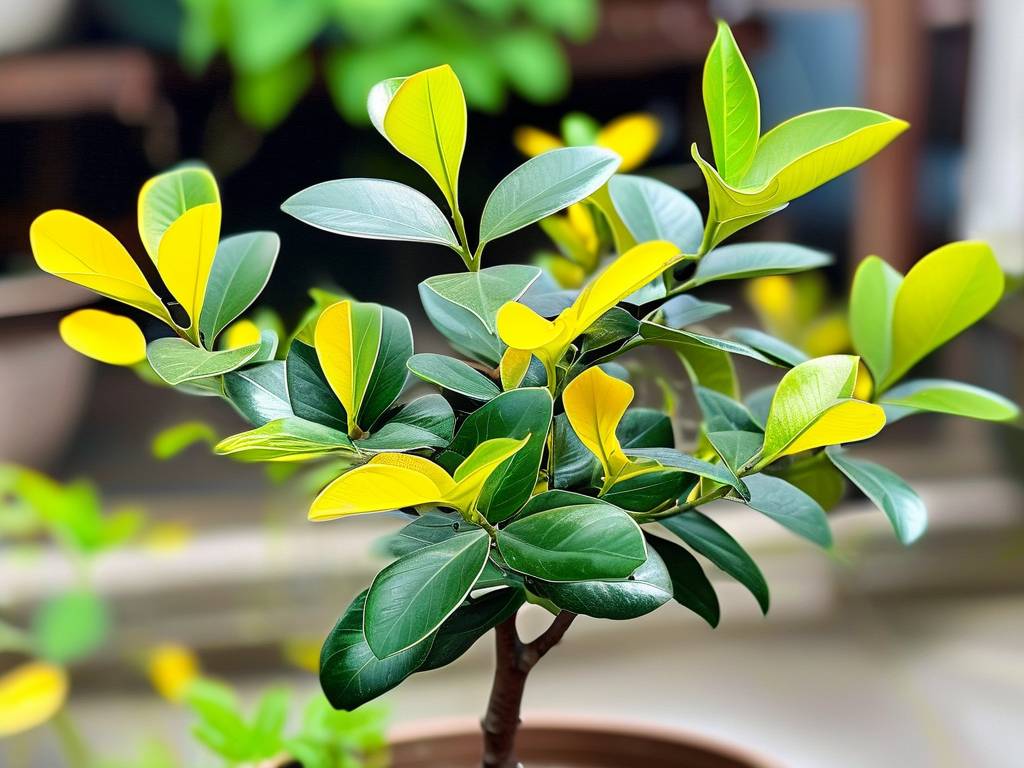
Before you reach for the pruning shears, it's crucial to diagnose the underlying cause. Pruning addresses the symptom, but correcting the care mistake prevents the problem from recurring. The Royal Horticultural Society (RHS) notes that leaf yellowing, or chlorosis, is a plant's universal sign of stress, often related to water, light, or nutrients.
The most frequent culprit is improper watering. Radermachera sinica prefers consistently moist but never soggy soil. Overwatering suffocates roots, leading to root rot, which manifests as widespread yellowing and leaf drop. Underwatering causes the plant to sacrifice older leaves, which turn yellow and crispy, to conserve resources.
Lighting issues are a close second. While it enjoys bright, indirect light, too much direct sun can scorch leaves, causing pale yellow or brown patches. Conversely, too little light weakens the plant, resulting in sparse growth and yellowing lower leaves as it struggles to photosynthesize.
Other factors include low humidity, especially in heated homes, which can cause leaf tips to brown and yellow. Nutrient deficiencies, particularly nitrogen or iron, can also lead to yellowing, while cold drafts or sudden temperature changes are a common trigger for leaf drop.
The Essential Care Reset: Fixing the Cause
To successfully care for Radermachera sinica and stop yellow leaves, you must first correct its environment. This is the "Experience" and "Expertise" pillar of a good care guide—solving the root issue.
Check your watering habits. Allow the top inch of soil to dry out slightly between waterings. Use your finger to test. Ensure your pot has excellent drainage and never let the plant sit in a saucer of water. Consider using a moisture meter for accuracy.
Assess the light. Your China Doll will thrive near an east or north-facing window, or a few feet back from a south or west window with a sheer curtain. Rotate the plant regularly for even growth.
Boost humidity. Group plants together, place the pot on a pebble tray filled with water, or use a room humidifier. The American Horticultural Society (AHA) emphasizes that increasing ambient humidity can significantly reduce leaf stress for tropical foliage plants.
Hold off on fertilizer until the plant shows signs of recovery and new growth. Then, feed with a balanced, water-soluble fertilizer diluted to half strength every 4-6 weeks during the growing season (spring and summer).
The Step-by-Step Guide to Pruning Yellow Leaves
Once you've adjusted the care conditions, it's time to prune. Pruning is not just cosmetic; it redirects the plant's energy from failing leaves to healthy growth points, directly helping to promote new shoots. You will need a pair of clean, sharp pruning shears or scissors. Wipe them with rubbing alcohol to prevent spreading disease.
First, identify all completely yellow or yellowing leaves. Also, look for any dead, brown, or damaged stems.
For individual yellow leaves, follow the leaf stem (petiole) back to the main branch. Make a clean cut where the petiole meets the branch. Avoid tearing or leaving a stub, as this can invite rot.
If an entire small stem or branch is yellowing or leafless, trace it back to its point of origin—either the main trunk or a larger branch. Prune it off cleanly at this junction. This is often necessary for older, inner growth that no longer receives adequate light.
Make your cuts at a slight angle. This is a best practice in horticulture, as it allows water to run off the cut surface, minimizing the risk of disease.
After pruning, your plant may look a bit sparse. This is normal. You have removed energy drains. Place it back in its ideal bright, indirect light location and resume your corrected watering routine. The plant will now channel its resources into existing healthy buds and new growth points.
How Pruning Stimulates New Growth on Your China Doll Plant
Pruning works as a growth stimulant through plant hormones. The terminal bud at the end of a stem produces auxins, hormones that inhibit the growth of lateral (side) buds—a phenomenon called apical dominance. When you remove the growing tip by pruning, the auxin source is eliminated.
This hormonal change signals the plant to activate dormant lateral buds lower down on the stem. These buds will then develop into new shoots, creating a bushier, more compact plant. Strategic pruning, therefore, doesn't just remove the old; it actively shapes the future form of your Radermachera sinica.
For a denser appearance, you can practice tip-pruning even on healthy green stems. Pinching off the very top set of leaves on a long stem will encourage it to branch out at that point. This technique, combined with the removal of unhealthy growth, is the key to cultivating a lush, full China Doll plant rather than a leggy one.
Advanced Tips for Ongoing Health and Lush Foliage
Beyond crisis management, consistent care keeps your plant thriving. Repot your China Doll every 2-3 years in spring, moving to a pot only 1-2 inches larger. Fresh, well-draining potting mix provides new nutrients and improves root health.
Dust the leaves regularly with a damp cloth. Clean leaves photosynthesize more efficiently, supporting stronger growth. This simple act of care improves the plant's overall vitality.
Monitor for pests like spider mites and aphids, which can also cause yellow stippling on leaves. Early treatment with insecticidal soap or neem oil is effective.
Be patient. Plants operate on their own timeline. After a corrective prune, it may take several weeks to see the emergence of fresh, green shoots. Consistent, correct care is the ultimate catalyst.
Will cutting off yellow leaves help my China Doll plant? Absolutely. Removing yellow leaves is highly beneficial. These leaves are no longer contributing energy to the plant through photosynthesis. In fact, the plant may be expending energy trying to sustain them. Pruning them away allows the plant to redirect all its resources into healthy growth and the development of new shoots, leading to a fuller recovery.
How often should I prune my Radermachera to encourage bushiness? For maintenance and shaping, light pruning or tip-pinching can be done throughout the active growing season (spring and summer). The best time for more significant pruning to remove unhealthy growth is early spring, just as the plant enters its most vigorous growth phase. This timing gives it the entire season to produce new growth in response to the pruning cuts.
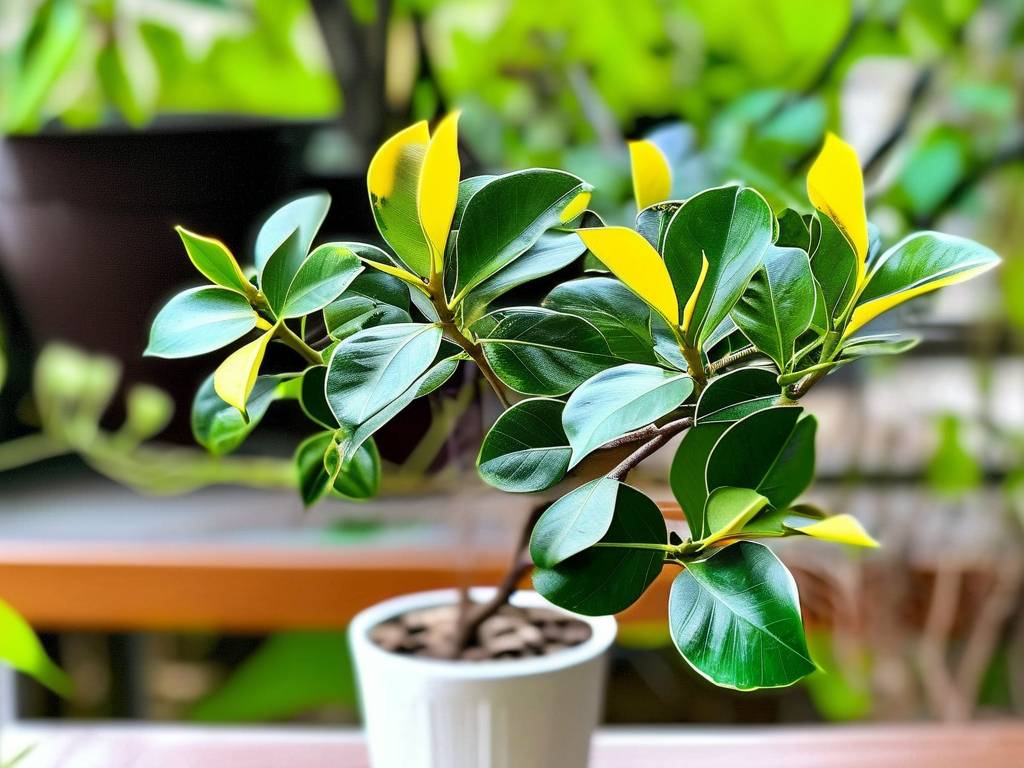
Can a China Doll plant recover from extensive yellowing and leaf loss? Yes, it often can, if the underlying cause is corrected. Radermachera sinica is a resilient plant. Even if it loses many leaves, as long as the stems and roots are still healthy (firm and green, not mushy), it can bounce back. After addressing the care issue and pruning away dead material, provide optimal light, careful watering, and high humidity. New shoots will typically emerge from nodes along the bare stems, gradually restoring its beauty. Persistence and corrected care are the keys to its revival.