 bluename
 How to Care for Rhapis Excelsa: Division Propagation for a Full & Bushy Form
You've nurtured your Rhapis excelsa, the elegant Lady Palm, for years. It's healthy, but something's missing. Instead of the lush, dense clump you envisioned, it remains a bit sparse, perhaps a little leggy. You dream of that full, bushy form that makes this palm a stunning interior focal point. The secret to transforming your plant lies not in complex fertilizers or magic potions, but in mastering a single, powerful technique: division propagation.
This comprehensive guide is your roadmap. We will delve deep into the art and science of dividing Rhapis excelsa. You'll learn not just the "how," but the "why" and "when," empowering you to confidently multiply your palms and achieve that coveted voluminous look. By the end, you'll understand how strategic division is the ultimate care tip for a fuller, healthier plant.
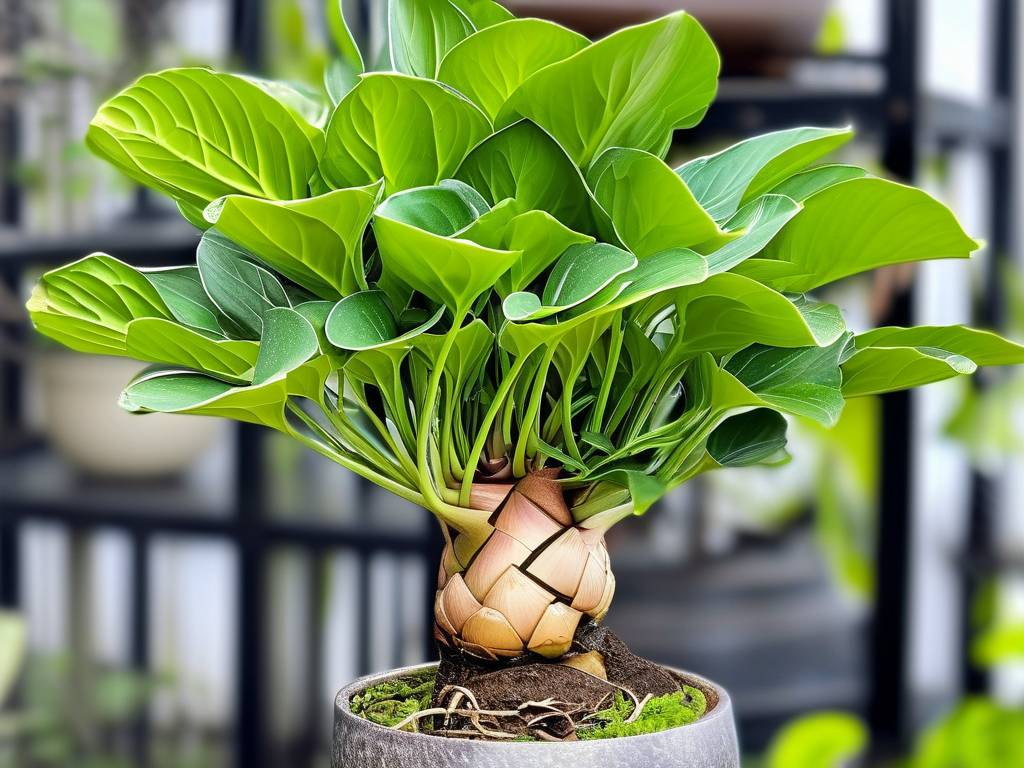
Understanding Rhapis Excelsa: Why Division is the Key to Bushiness
Unlike many palms grown from a single trunk, Rhapis excelsa is a clustering species. It grows from an underground rhizome system, sending up multiple slender, reed-like stems over time. Its natural growth habit is to form a dense thicket. However, in a container, resources like space, nutrients, and light can become limited, leading to slower offshoot production or uneven growth.
This is where division becomes a critical component of advanced Rhapis excelsa care. As noted by the American Horticultural Society (AHS), division is the preferred propagation method for many clump-forming perennials, including palms like Rhapis, as it preserves the exact characteristics of the parent plant. Division serves three primary purposes for your Lady Palm:
- Rejuvenation: It revitalizes an over-crowded pot, giving individual stems more room to access soil nutrients and moisture.
- Multiplication: You create multiple, genetically identical new plants from one.
- Shape Control: This is the key to bushiness. By dividing a large clump and replanting several divisions together in one pot, you instantly create a fuller, more balanced appearance. You are manually designing the density.
When to Divide Your Lady Palm: Timing is Everything
Performing division at the wrong time can shock the plant. The ideal window is in the late spring or early summer, as the plant enters its most active growth phase. The increasing light and warmer temperatures help divisions recover quickly and establish new roots.
Look for these signs that your Rhapis is ready:
- The pot is visibly root-bound, with roots circling the surface or growing from drainage holes.
- The clump is so dense that new stems (canes) are struggling to emerge, or growth has noticeably slowed.
- The center of the clump appears old or tired, while vigorous growth is only on the edges.
- You simply desire a bushier form and have a healthy, mature plant with at least 8-10 stems.
Step-by-Step Guide to Division Propagation
Gather your tools: a sharp, sterilized knife or pruning saw, fresh potting mix (well-draining, peat-based), appropriate pots, and gloves.
Step 1: Preparation and Removal Water your Rhapis excelsa thoroughly 24 hours before the operation. This hydrates the roots and reduces stress. Gently remove the entire plant from its pot. You may need to tap the sides or lay it horizontally to ease it out.
Step 2: Root Inspection and Cleaning Carefully loosen the root ball with your fingers. Wash away a portion of the old soil with a gentle stream of water so you can clearly see the root and rhizome structure. This allows you to make informed cuts.
Step 3: Identifying Division Points Look for natural separations in the clump. Each stem or group of stems will be connected to a rhizome section. Your goal is to create divisions, each with its own healthy root system and at least 3-5 stems. Larger divisions (4-6 stems) will re-establish as a full plant faster. The Royal Horticultural Society (RHS) advises ensuring each division has a proportionate balance of roots to stems to support successful establishment.
Step 4: The Separation Process Using your clean, sharp tool, carefully cut through the connecting rhizomes. Avoid tearing or pulling stems apart, as this causes unnecessary damage. Make clean, decisive cuts. You may find some outer, younger sections separate more easily than the mature center.
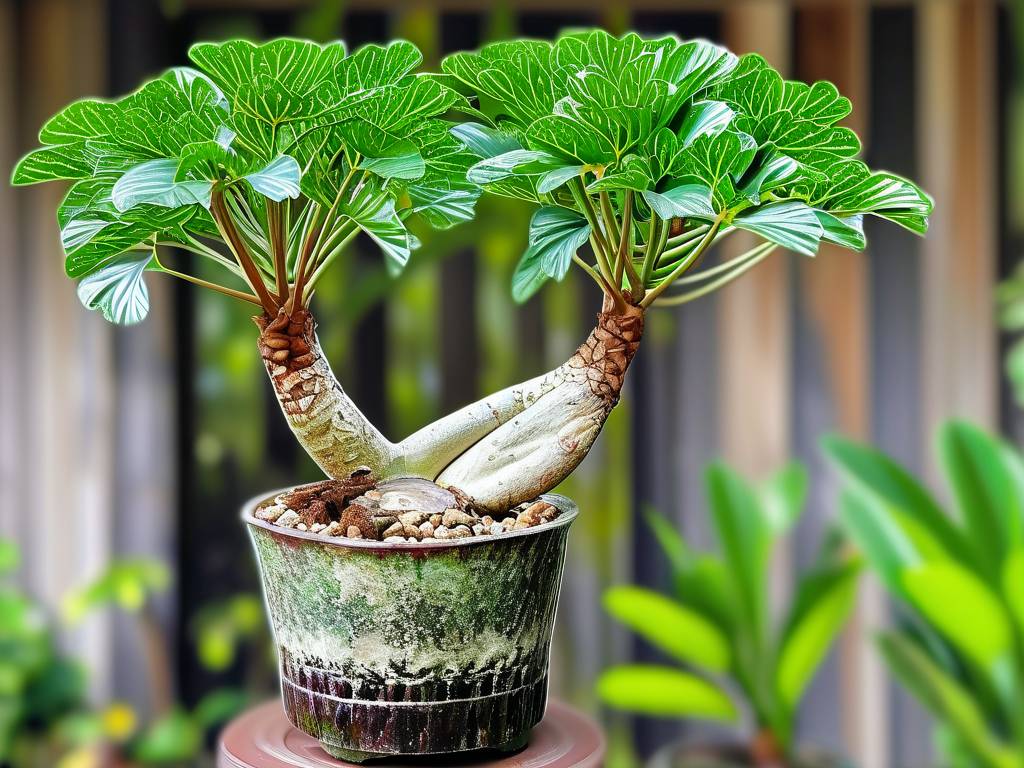
Step 5: Potting Up for a Bushy Form This is the design phase. For the classic "full and bushy" look, select a pot that is only 1-2 inches wider than the root ball of your new division. Place a layer of fresh potting mix in the bottom.
- For a Single Fuller Plant: Take your healthiest division and plant it.
- For an Instantly Bushy Specimen: This is the pro technique. Take 2 or 3 smaller divisions and plant them together in the same pot, spacing them slightly apart. As they grow, their stems and foliage will intermingle, creating an immediately dense and luxurious appearance.
Position the plant(s) at the same soil level as before, fill in with mix, and firm gently.
Step 6: Post-Division Aftercare Water the newly potted divisions moderately to settle the soil. Place them in a location with bright, indirect light and high humidity. Avoid direct sun, which can scorch the stressed foliage. Maintain consistent moisture but never let the pot sit in water. Hold off on fertilizing for at least 6-8 weeks until new growth indicates the roots have settled.
Optimizing Care After Division for Vigorous Growth
Your newly divided palms need tailored care to thrive and fill out.
Light and Location: Rhapis excelsa prefers bright, filtered light. An east or north-facing window is ideal. Consistent, suitable light encourages the steady production of new fronds from the center of each stem, contributing to the bushy form.
Watering and Humidity: Water when the top inch of soil feels dry. These palms appreciate humidity. Grouping plants together, using a pebble tray, or a room humidifier can prevent leaf tip browning and support lush foliage—a hallmark of a bushy palm.
Feeding for Foliage: After the initial recovery period, feed with a balanced, water-soluble fertilizer diluted to half strength every 4-6 weeks during the growing season (spring to early fall). A formula with micronutrients will support deep green, healthy fronds.
Troubleshooting Common Post-Division Issues
- Yellowing Fronds: Some older fronds may yellow and die back as the plant redirects energy to root growth. This is normal. Remove them cleanly at the stem.
- Slow Growth: Be patient. The plant is rebuilding its root system. Ensure it has adequate warmth and humidity.
- Leaf Tip Burn: Often a sign of low humidity, fluoride in tap water, or over-fertilization. Use distilled or rainwater if possible.
How often should I repot a Rhapis excelsa after division? Lady Palms prefer to be slightly root-bound and generally require repotting only every 2-3 years. After division, the new plants will have ample space. Let them fill their pots before considering another repot, focusing instead on annual top-dressing with fresh soil.
Can I divide a small Rhapis palm with only a few stems? It's not advisable. For division to be successful and not set the plant back severely, each division needs enough stems and roots to sustain itself. Wait until your palm is a mature, multi-stemmed clump with at least 8-10 total stems before attempting division.
What's the difference between division and just planting multiple palms in one pot? Division uses genetically identical offshoots from the same plant, ensuring perfect uniformity in growth rate, color, and texture, which creates a seamless, cohesive bushy form. Planting separate, seed-grown plants together can work, but slight genetic variations may lead to uneven growth over time.
Mastering the division of your Rhapis excelsa is the most effective strategy for achieving that full, bushy, and luxuriant form. It’s a practice that combines horticultural skill with artistic vision, allowing you to actively shape the plant's destiny. By understanding its clumping habit, timing the process correctly, and providing thoughtful aftercare, you do more than just propagate—you rejuvenate and redesign. With patience and the techniques outlined here, your Lady Palm will transform from a simple houseplant into a breathtaking, voluminous testament to your skilled care.





