bluename
 How to Care for Phalaenopsis - Summer Care to Avoid Root Rot & Cool Growth
Your stunning Phalaenopsis orchid, a beacon of elegance in your home, faces its toughest season as temperatures rise. That vibrant display of blooms and lush green leaves can quickly turn into a heartbreaking scene of yellowing foliage, limp flowers, and mushy roots. The primary culprit? Summer's unique combination of intense heat, variable humidity, and our own well-intentioned but often excessive care routines. This guide is dedicated to providing you with a clear, actionable roadmap for summer Phalaenopsis care, specifically engineered to prevent the dreaded root rot and promote cool, healthy growth throughout the hottest months.
Understanding the Summer Threat to Your Orchid's Roots
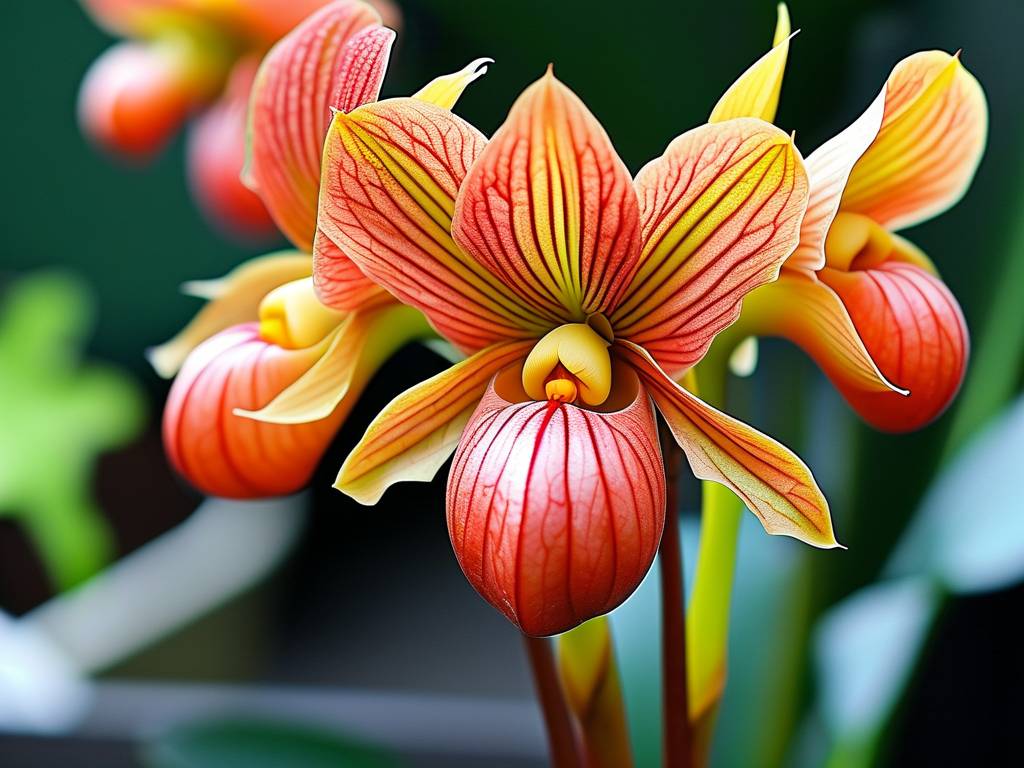
Phalaenopsis orchids are epiphytes. In their natural habitat, they cling to tree branches in tropical forests, where their thick, silvery-green roots are exposed to air and dry rapidly between frequent rain showers. They are built for moisture followed by a quick dry-out. The summer environment in our homes disrupts this cycle. Higher temperatures increase evaporation from the potting media and the plant itself, tricking us into watering more frequently. Simultaneously, the core of a pot, especially if it's dense or over-packed, can remain soggy for days in humid summer air, creating a perfect anaerobic environment where harmful fungi and bacteria thrive, leading to root rot.
Your Summer Phalaenopsis Care Checklist: A Step-by-Step Guide
Mastering summer care revolves around mimicking the orchid's preferred conditions: bright, indirect light; excellent root aeration; and a careful balance of moisture. Let's break down the critical areas of focus.
Optimizing Light and Temperature for Cool Growth
Phalaenopsis orchids need bright but filtered light. Direct summer sun, particularly through a west or south-facing window, can scorch leaves in minutes, causing permanent brown or white patches. This sun stress also heats the plant and pot excessively.
Move your orchid back from the window or use a sheer curtain to diffuse the light. An east-facing window is often ideal for gentle morning sun. Monitor leaf color; a lush, olive green indicates perfect light levels, while dark green suggests need for more light, and reddish tinges signal too much.
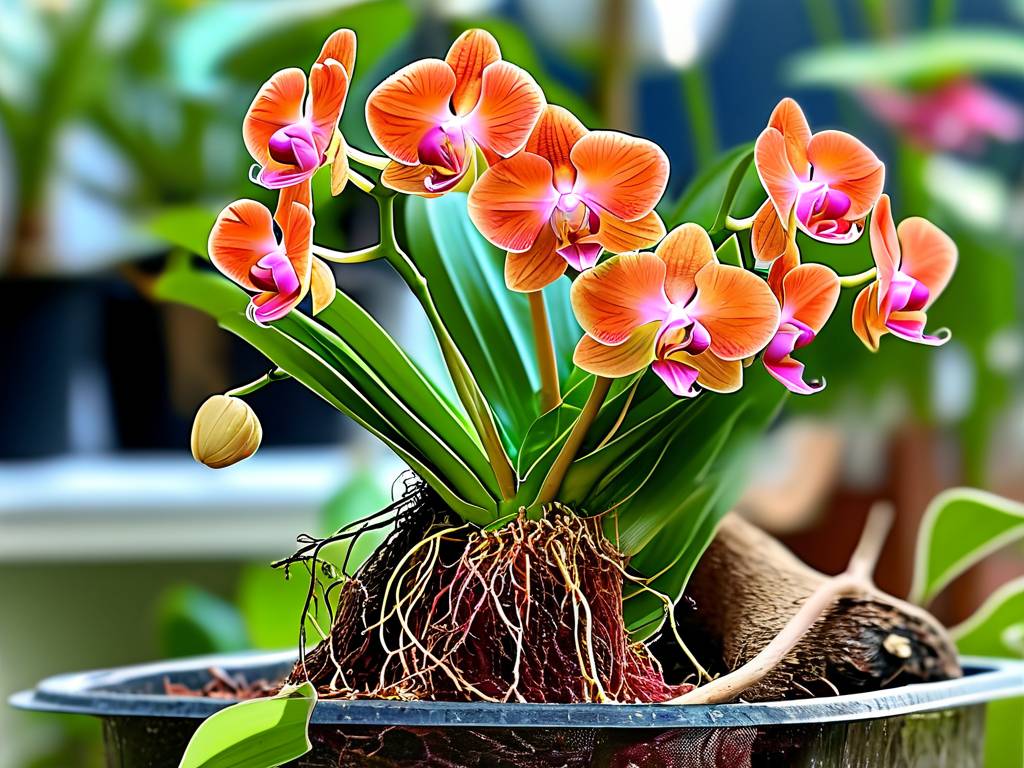
Aim to keep ambient temperatures between 65°F and 80°F (18°C - 27°C). Good air circulation is your best friend here. A gentle ceiling fan or an oscillating fan set on low, placed at a distance, can lower the plant's surface temperature by several degrees and prevent stagnant, humid air from settling around the leaves and crown. The Royal Horticultural Society (RHS) emphasizes that good air movement is "vital" for preventing fungal and bacterial diseases in orchids, especially in warm conditions.
The Art of Summer Watering: Preventing Soggy Medium
This is the most critical skill for avoiding root rot. The "how" and "when" are more important than a fixed schedule.
First, always water in the morning. This gives the potting media and the plant's crown (the center where leaves meet) the entire day to dry, reducing the risk of crown rot, a fatal condition. The American Orchid Society (AOS) advises that evening watering leaves the plant damp overnight, "inviting disease."
Second, master the soak-and-drain method. Take your orchid to the sink and thoroughly drench the potting media until water runs freely from the drainage holes. This ensures all roots receive moisture. Let it drain completely for 5-10 minutes before returning it to its decorative pot. Never let the pot sit in a saucer of standing water.
How do you know when to water again? Ignore the calendar. Use the "finger test" or the "pot weight test." Insert your finger about an inch into the potting media. If it feels dry, it's time to water. If it feels cool or damp, wait. Alternatively, lift the pot. A dry pot is significantly lighter than a freshly watered one. In summer, with good air flow, this might be every 7-10 days, but always let the plant's condition be your guide.
Choosing the Right Pot and Media for Maximum Airflow
Your potting setup is your first line of defense against root rot. Phalaenopsis roots crave oxygen.
Clear plastic pots with ample side and bottom drainage holes are highly recommended. They allow you to monitor root health without disturbing the plant. Healthy roots are firm and silvery-green when dry, turning bright green when wet. Unhealthy roots are brown, mushy, or papery.
The potting media should be loose and chunky. A high-quality orchid bark mix (often a blend of fir bark, perlite, and charcoal) is standard. This structure creates air pockets and allows water to flow through rapidly. Repotting every 1-2 years is crucial, as bark decomposes over time, becoming more water-retentive and acidic—a perfect storm for root rot. Summer, after blooming, can be a good time to repot if the media looks broken down.
Managing Humidity Without Encouraging Rot
Phalaenopsis enjoy 50-70% humidity, which can be challenging in air-conditioned or very dry summer climates. However, misting the leaves directly, especially in low-airflow conditions, can lead to water sitting in the leaf axils and crown, promoting rot.
A safer method is to use a humidity tray. Fill a shallow tray with pebbles and add water just below the top of the pebbles. Place the orchid pot on top. As the water evaporates, it creates a localized humid microclimate around the plant without wetting the roots. Remember, the goal is humid air, not wet roots.
Fertilizing for Steady, Healthy Growth
During the active summer growth period (for leaves and potential new flower spikes), a balanced, water-soluble orchid fertilizer (e.g., 20-20-20) is beneficial. The universal advice from orchid experts is to "fertilize weakly, weekly." Dilute the fertilizer to 1/4 or 1/2 the strength recommended on the label and apply it with one of your regular waterings.
A key practice is to flush the potting media with plain water once a month. This prevents the buildup of fertilizer salts, which can burn the delicate root tips and compromise their function, making them more susceptible to rot.
Signs of Trouble: Early Detection of Root Rot
Vigilance is key. Early signs of overwatering and impending root rot include:
- Limp, leathery, or wrinkled leaves (even when the media is wet).
- Yellowing of lower leaves that progresses upward.
- A pot that remains heavy and damp for an excessively long time.
- Visible brown, mushy roots seen through a clear pot.
If you suspect root rot, act immediately. Unpot the plant, gently remove all old media, and sterilize scissors with rubbing alcohol. Cut away all soft, brown, or stringy roots. Only firm, green or white roots should remain. Dust the cuts with cinnamon (a natural fungicide) or a sulfur-based fungicide. Repot in fresh, dry media and do not water for 7-10 days to allow the wounds to callus. Place in a shaded, humid location and resume very careful watering.
My orchid's leaves are wrinkled, but the pot is wet. What does this mean? This is a classic sign of root rot. The roots have decayed and can no longer absorb water, so the plant dehydrates even though the media is moist. You must unpot and inspect the root system immediately, removing any rotten material and repotting as described.
Can I put my Phalaenopsis outside for the summer? It can be beneficial if done correctly. Choose a location with dappled shade (like under a tree) and never in direct sun. Ensure it's protected from heavy rain and strong winds. Monitor watering closely, as outdoor conditions can dry the pot faster. Always bring it back inside well before nighttime temperatures drop below 60°F (15°C).
How often should I water my orchid in a very hot, dry climate? The frequency will increase. You may need to water every 5-7 days. However, the principle remains the same: water only when the media is nearly dry. The soak-and-drain method becomes even more critical to ensure deep hydration. Using a humidity tray can also help reduce moisture stress on the plant.
Summer care for your Phalaenopsis is about embracing its natural preferences. By prioritizing exceptional drainage, vigilant watering based on need rather than routine, and providing bright, cool conditions with moving air, you create an environment where root rot cannot gain a foothold. Your reward will be a resilient orchid that not only survives the summer but uses the season to strengthen, potentially developing new leaves and roots that set the stage for a spectacular bloom in the months to come. Consistent, observant care is the true secret to enjoying these magnificent plants year-round.