bluename
 How to Care for Cyclamen - Mastering Proper Dormancy Care in Summer
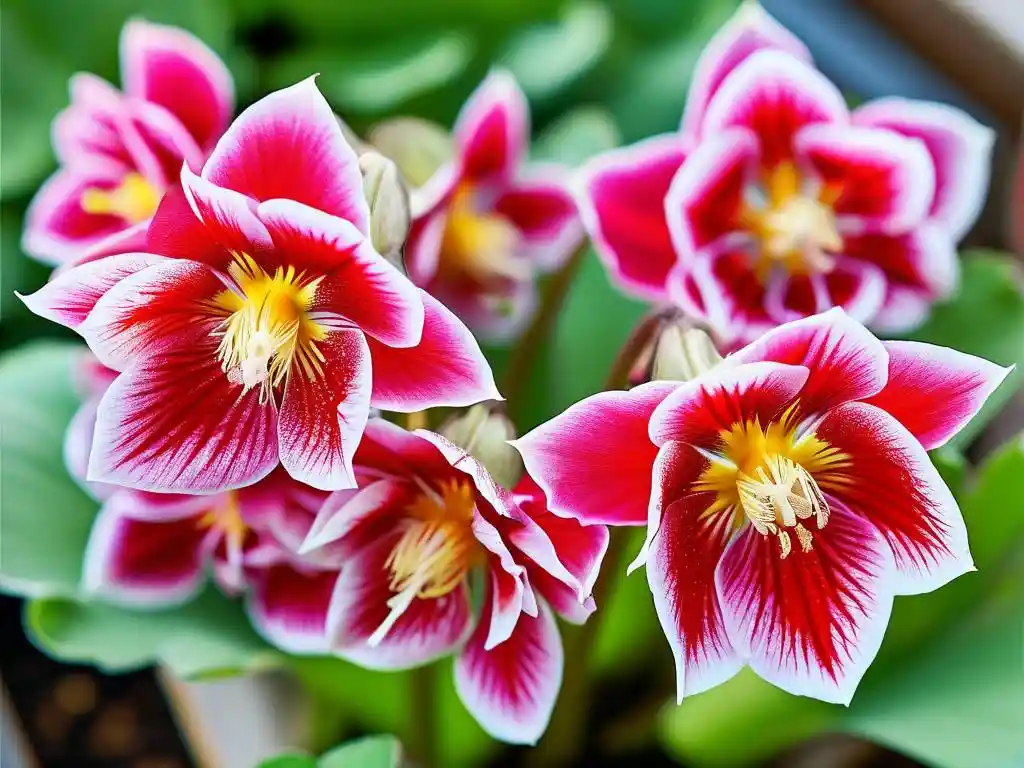
You’ve nurtured your cyclamen through its stunning winter display of butterfly-like blooms, only to watch it falter as summer approaches. Its leaves yellow, it stops flowering, and it seems to be dying. This is the most common and frustrating pain point for cyclamen owners. The truth is, your plant isn’t dying; it’s entering its crucial summer dormancy period. Improper care during this phase is the primary reason these beautiful perennials are often treated as disposable annuals. This guide will transform your approach, detailing exactly how to care for cyclamen through its dormant season to ensure a vibrant comeback.
Understanding the Cyclamen's Natural Rhythm
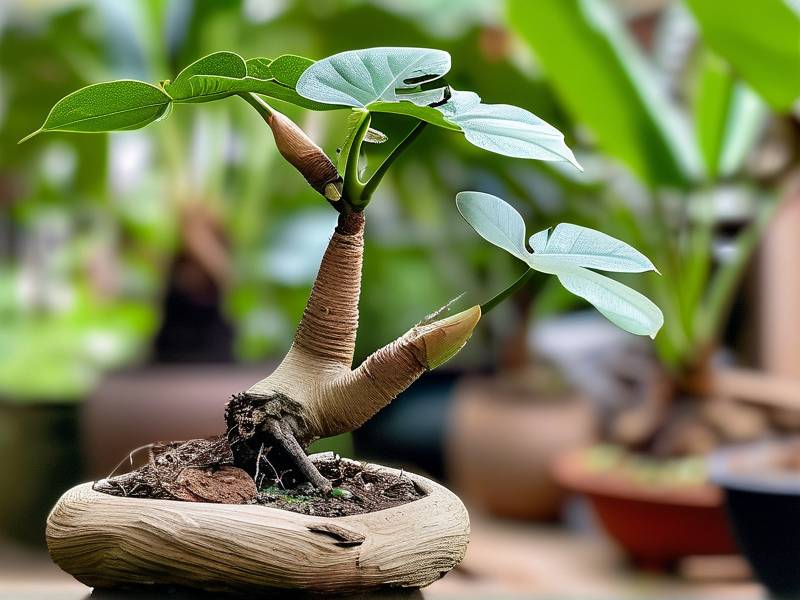
Cyclamen are geophytes, meaning they grow from a tuber—a swollen underground storage organ. In their native Mediterranean and European habitats, they bloom in the cool, mild winter and spring. As temperatures rise and conditions become hot and dry, the plant’s foliage naturally yellows and withers. The tuber enters a state of dormancy to conserve energy and survive the harsh summer. Replicating this cycle is the secret to long-term success. Forcing the plant to grow continuously will exhaust it. As noted by the Royal Horticultural Society (RHS), "Cyclamen need a distinct rest period after flowering; without it, they will gradually weaken."
Recognizing the Signs of Dormancy
Your plant will tell you when it’s ready to rest. The key signals are the cessation of flowering and the gradual yellowing of leaves. This is not a cause for alarm but a clear instruction from the plant. Do not fertilize in an attempt to "green it up." This is the starting point for proper cyclamen dormancy care. The process is gradual; you are working with the plant, not against it.
The Step-by-Step Guide to Summer Dormancy Care
Phase 1: The Wind-Down (Late Spring)
As flowering finishes and leaves begin to yellow, start reducing watering frequency. Allow the soil to dry out more between waterings. This mimics the approaching dry season in its native environment. Stop all fertilization immediately. The plant is no longer in active growth and cannot use the nutrients, which could harm the tuber.
Phase 2: Entering Full Dormancy
This is the most critical phase for summer care for cyclamen. Once most leaves have yellowed and died back, you have two main options for dormancy care.
The Dry Rest Method (Most Common):Gently remove any remaining dead foliage. Place the pot, with the tuber still in its dry soil, in a cool, dark, and dry location. Ideal spots include a basement, a cool garage, or a north-facing cupboard. The temperature should be consistently cool, ideally between 50-65°F (10-18°C). Do not water the tuber during this time. The goal is to keep it completely dry and dormant. Check periodically for any signs of premature growth or rot.
The Slightly Moist & Cool Method (Alternative):Some experts, including contributors to the American Horticultural Society's resources, suggest that for certain species (like Cyclamen persicum), keeping the tuber barely moist in a cool, dark place can prevent excessive desiccation. This requires a very light touch—a tablespoon of water around the edge of the pot every 4-6 weeks may be sufficient. This method carries a higher risk of rot if overdone and is generally recommended for more experienced growers.
Phase 3: The Wake-Up Call (Late Summer to Early Fall)
After 2-3 months of rest, usually around late August or September, look for the first signs of new growth—tiny pink nubs emerging from the top of the tuber. This is your cue to begin reviving your cyclamen.
Repotting: Carefully remove the tuber from its old soil. If repotting, choose a pot only slightly larger than the tuber, as cyclamen prefer to be slightly pot-bound. Use a fresh, well-draining potting mix. The RHS recommends a mix of multipurpose compost with added grit or perlite. Plant the tuber with the top third to half above the soil line; burying it too deeply is a common cause of rot.
Initial Watering: Soak the pot thoroughly from the bottom (saucer watering) to hydrate the roots without wetting the tuber's crown. Allow all excess water to drain.
Location: Place the pot in a cool, bright spot with indirect light. An east or north-facing windowsill is ideal. Avoid hot, direct sun.
Resume Care: Once new leaves are actively growing, you can begin a regular watering routine (always from the bottom) and start a monthly feed with a half-strength, balanced liquid fertilizer.
Common Pitfalls to Avoid During Dormancy
Overwatering the Dormant Tuber: This is the fastest way to induce rot. When in doubt, keep it dry.
Keeping it Too Warm or Bright: A hot, sunny location will confuse the plant's cycle and may cook the tuber.
Cutting Off Green Leaves: Never remove leaves while they are still green and healthy. The plant is drawing energy back into the tuber.
Using a Pot That is Too Large: A massive pot holds more moisture, increasing rot risk for the dormant tuber.
Expert Tips for Success
Consistent cool temperatures are more important than precise watering schedules during dormancy. If you lack a perfect dark space, a very cool, low-light room is acceptable. Label your dormant pots with the plant name and date you stored it. This prevents accidental disturbance and helps you track the rest period.
My cyclamen still has a few green leaves in mid-summer. Should I force it into dormancy?No. Never force dormancy. The plant dictates the timeline. Continue to reduce water gradually as it senesces naturally. Forcing it by cutting green leaves or withholding all water prematurely will steal vital energy from the tuber.
I forgot about my dormant tuber and it’s shriveled. Is it dead?Not necessarily. A slightly shriveled tuber can often be revived. When you see growth nubs, repot and water it thoroughly (from the bottom). The tuber may plump up as it rehydrates. If it is mushy, brittle, or lightweight like a husk, it has likely perished.
Can I leave my cyclamen outdoors for the summer?In mild climates with dry summers, you can. Bury the pot in a shaded, dry spot in the garden. In areas with hot, humid, or rainy summers, this is risky. The tuber is highly susceptible to rot from excessive moisture and heat. Bringing it into a controlled indoor environment is the safer strategy for proper cyclamen dormancy care.
Mastering the summer dormancy period is what separates a one-season wonder from a decades-long companion. By understanding and respecting this natural cycle—providing a cool, dry rest followed by a careful revival—you unlock the true perennial nature of the cyclamen. This process of proper cyclamen dormancy care is simple: observe, emulate its native habitat, and practice patience. Your reward will be a plant that returns year after year, with each bloom cycle feeling like a triumphant reunion.