bluename
 How to Care for Gardenia: Summer Sun Protection to Prevent Yellow Leaves
There's nothing more disheartening for a gardener than watching the lush, dark green leaves of a gardenia bush begin to fade, speckle, and turn a sickly yellow. Just as the plant should be gearing up for its spectacular, fragrant bloom, it seems to falter under the summer sun. If you're struggling with gardenia leaves turning yellow in summer, you're not alone. This is the single most common complaint among gardenia enthusiasts during the hotter months. The culprit is often not a single disease or pest, but a combination of environmental stress, primarily from intense sunlight and its cascading effects on the plant's health. This comprehensive guide will walk you through exactly how to care for gardenia plants with a focused strategy on summer sun protection to keep those leaves vibrantly green and your plant thriving.
Understanding the "Why" Behind Yellow Leaves
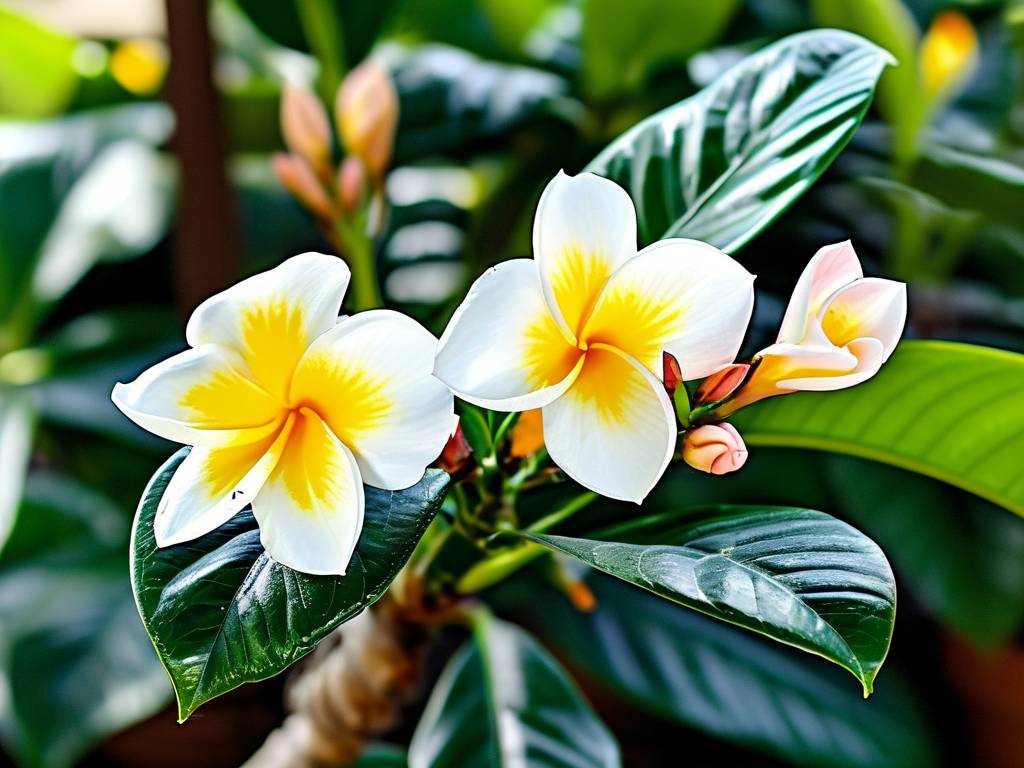
Before we can fix the problem, we need to understand it. Gardenias (Gardenia jasminoides) are native to the subtropical regions of Asia. They thrive in bright, filtered light—think of the dappled sunlight beneath a forest canopy. The harsh, direct, and prolonged sunlight of a summer afternoon is completely alien to their natural habitat.
When a gardenia receives too much direct sun, several things happen simultaneously, leading to yellow leaves on gardenia:
- Leaf Scorch: This is the most direct damage. The intense UV rays literally burn the leaf tissue, causing brown, crispy patches often surrounded by yellowing. It's a clear sign of sun overexposure.
- Increased Transpiration: The heat accelerates water loss from the leaves. If the roots can't uptake water fast enough to compensate (due to poor soil, root issues, or simply underwatering), the plant becomes dehydrated. Stress-induced yellowing is a common result.
- Nutrient Lockout: High soil temperatures and improper moisture levels can disrupt the delicate pH balance gardenias crave (acidic soil, pH 5.0-6.0). In non-acidic conditions, key nutrients like iron become unavailable to the plant, leading to chlorosis—a specific yellowing where leaf veins remain green while the tissue between turns yellow. This is often called iron chlorosis and is a hallmark sign of pH-related stress exacerbated by heat.
Therefore, summer sun protection for gardenias isn't just about preventing burns; it's about managing the entire microclimate around the plant to prevent a chain reaction of stress.
Your Step-by-Step Summer Sun Protection Strategy
Protecting your gardenia from the summer sun is a proactive, multi-faceted approach. It involves adjusting its location, modifying its environment, and fine-tuning your care routine.
Optimal Placement and Light Modification
The first line of defense is controlling the quality and quantity of light your gardenia receives.
- The Ideal Light: Aim for "bright, indirect light." For outdoor plants, this means a location that receives gentle morning sun but is shielded from the intense afternoon rays from about 11 AM onward. An east-facing location is often perfect.
- Create Dappled Shade: If your gardenia is planted in the ground in a sunny area, create artificial shade. A 30-50% shade cloth mounted on the south or west side of the plant is highly effective. You can also use taller plants or lattice structures to filter the sunlight.
- Container Mobility: This is the prime advantage of potted gardenias. Don't be afraid to move them as the seasons change. In summer, relocate pots to a covered patio, under a tree, or to the east side of your house. As the American Horticultural Society's (AHS) Plant Heat-Zone Map guidelines suggest, understanding your local peak summer heat is key to placing sensitive plants like gardenias.
Mastering the Summer Watering Routine
Watering becomes critical under the summer sun. The goal is consistent, deep moisture without waterlogging.
- Deep and Infrequent vs. Light and Frequent: Water deeply until it runs out of the drainage holes, ensuring the entire root ball is moistened. Then, allow the top inch of soil to dry out slightly before watering again. Light, frequent sprinklings encourage shallow roots that are more vulnerable to heat.
- The Morning Rule: Always water in the early morning. This allows foliage to dry quickly (preventing fungal diseases) and ensures the plant is fully hydrated before the day's heat hits. Watering in the evening can leave the plant damp overnight, inviting disease.
- Mulch is Your Best Friend: Apply a 2-3 inch layer of organic mulch (like pine bark, straw, or shredded leaves) around the base of your gardenia. The Royal Horticultural Society (RHS) consistently emphasizes that mulch conserves soil moisture, keeps roots cool, and gradually acidifies the soil as it breaks down. This is a non-negotiable step for preventing gardenia leaf scorch.
Soil and Nutrition: The Foundation of Health
A stressed plant needs perfect soil conditions to support it.
- Test and Acidify: Use a home test kit to check your soil pH. If it's above 6.0, amend it. Products like soil sulfur, iron chelates, or fertilizers formulated for acid-loving plants (azaleas, camellias, rhododendrons) will help. Incorporating peat moss or composted oak leaves at planting time also adds acidity.
- Summer Feeding Schedule: Feed your gardenia with an acidic, slow-release fertilizer in late spring. Avoid heavy feeding in the peak of summer heat, as this can force tender new growth that is especially susceptible to scorch. A light application of a liquid, acid-based fertilizer or iron supplement mid-summer can help if chlorosis appears.
Environmental Humidity Support
Gardenias love humidity, which is often lacking in hot, sunny summer air.
- Microclimate Creation: Grouping your potted gardenia with other plants can create a pocket of higher humidity through collective transpiration.
- The Pebble Tray: For potted plants, place the pot on a shallow tray filled with water and pebbles. Ensure the pot sits above the water line. As the water evaporates, it increases humidity directly around the foliage.
- Strategic Misting: A light misting of the leaves in the morning can help. Avoid misting in the evening or under direct, hot sun, as water droplets can act like magnifying glasses and intensify sunburn.
Diagnosing and Treating Sun-Related Yellow Leaves
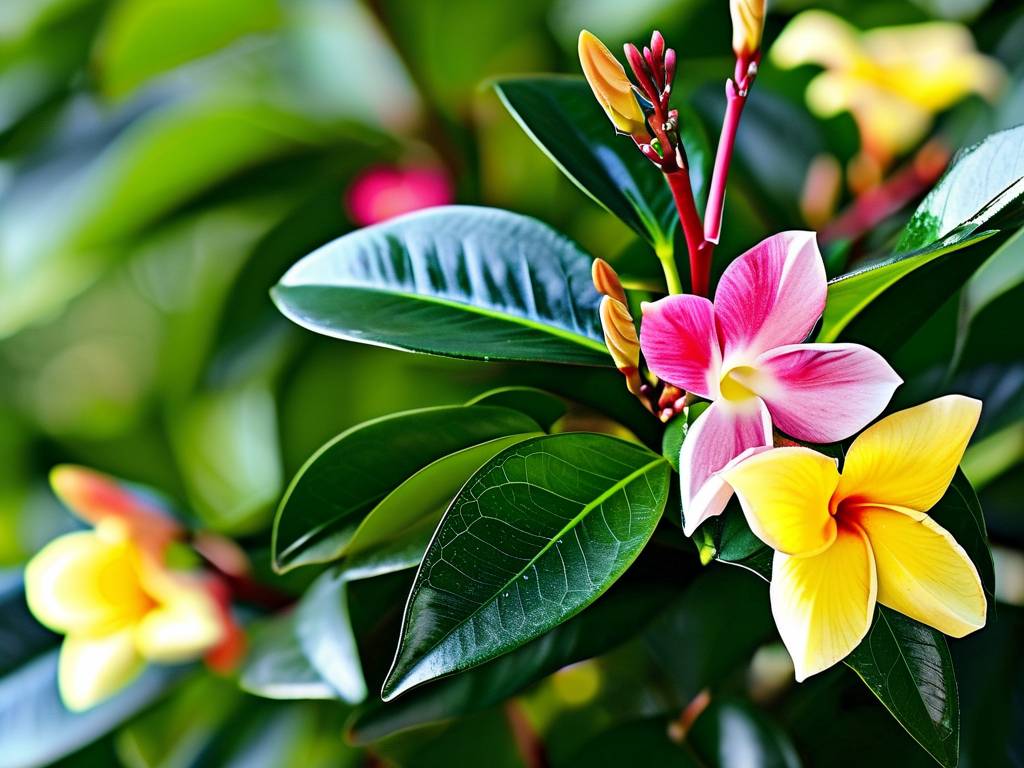
Even with the best care, some yellowing may occur. Here’s how to diagnose and act:
- If leaves are yellow with green veins (Chlorosis): This is a nutrient/pH issue. Apply a liquid iron chelate supplement according to label directions and check your soil pH.
- If leaves have brown, crispy edges or patches (Scorch): This is direct sun damage. Immediately improve shading. Trim off the badly damaged leaves to improve aesthetics, but do not over-prune, as the remaining foliage is needed for photosynthesis.
- If older, inner leaves are uniformly yellowing: This can be a natural process of older leaves being shed. If it's only a few leaves and new growth is green, it's likely not a major concern. Ensure your watering and feeding are consistent.
Frequently Asked Questions
My gardenia is in a pot and gets morning sun only, but the leaves are still yellowing. What else could it be? Beyond sun, the two most likely culprits are water and soil. Check that you're watering deeply enough and that the pot has excellent drainage—soggy soil causes root rot, which also manifests as yellow leaves. Secondly, test the soil pH in the pot. Container soil can become depleted and pH can shift more rapidly than in-ground soil. Repotting with fresh, acidic potting mix formulated for acid-lovers may be necessary.
Can I use sunscreen or shade paint on my gardenia leaves? No. Products like commercial "plant sunscreens" or kaolin clay are sometimes used on vegetable crops or fruit trees, but they are not recommended for broad-leaf ornamentals like gardenias. They can clog leaf pores (stomata) and interfere with photosynthesis and transpiration. The best and safest method is physical shade modification through placement, shade cloth, or companion planting.
Should I prune all the yellow leaves off my gardenia? Not necessarily. Only prune leaves that are more than 50% damaged, brown, and crispy. If a leaf is partially yellow but still has healthy green tissue, it is still contributing energy to the plant. Removing too many leaves at once adds additional stress. Focus on correcting the underlying environmental issue first; often, the plant will recover, and you can perform light cosmetic pruning later in the season.
Success with gardenias in summer hinges on emulating their preferred conditions. By prioritizing bright but indirect light, maintaining cool and moist acidic soil with mulch, and watering with precision, you create a sanctuary for your plant. The reward is a robust gardenia covered in glossy, deep green leaves, setting the stage for an unforgettable display of pristine, fragrant white flowers. Remember, prevention is always simpler than cure—implementing these gardenia summer care tips before the peak heat arrives is the surest path to a healthy, beautiful plant.