bluename
 How to Care for Jasmine - Summer Watering to Avoid Root Rot
There’s nothing quite like the intoxicating fragrance of jasmine on a warm summer evening. But for many gardeners, that sweet scent can quickly turn sour with the dreaded sight of yellowing leaves, wilting stems, and a plant that seems to be dying from the bottom up. The culprit? Often, it’s root rot, a silent killer that thrives in the very season we’re trying to help our plants flourish. Mastering summer watering is the single most critical skill for keeping your jasmine vibrant and healthy. This guide will walk you through exactly how to care for jasmine to prevent this common, yet preventable, problem.
Understanding the Jasmine's Summer Needs
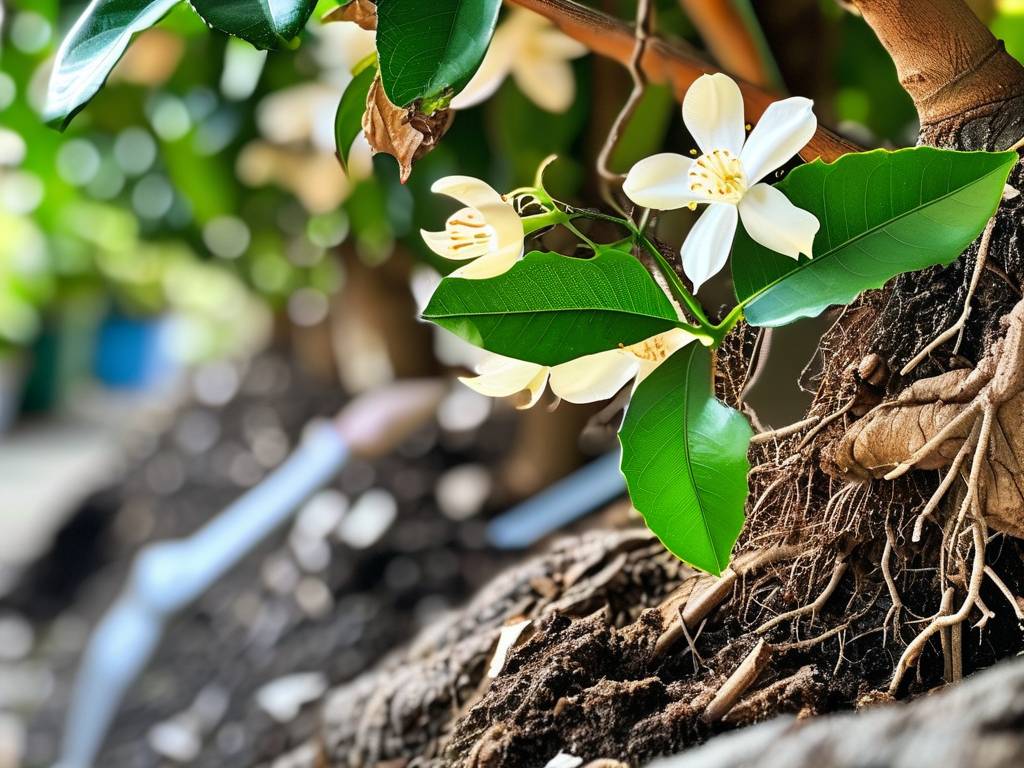
Jasmine plants, whether you’re growing the popular Jasminum officinale (Common Jasmine) or Jasminum sambac (Arabian Jasmine), enter a period of active growth and blooming in the summer. This increased metabolic activity means they require more resources, including water. However, their need for hydration must be perfectly balanced with an even greater need for oxygen at their root zone. Overwatering saturates the soil, pushing out vital air pockets and creating an anaerobic environment where harmful fungi like Pythium and Phytophthora flourish. These pathogens attack the roots, rendering them unable to absorb water or nutrients—a cruel irony where a drowning plant appears thirsty.
The Golden Rule: Check, Don't Assume
The most common mistake is watering on a fixed schedule. Forget watering every other day or every morning. Your jasmine’s thirst depends on a dynamic set of factors: pot size, soil composition, daily temperature, humidity, and sun exposure. The only reliable method is to physically check the soil moisture.
The Finger Test: Insert your index finger into the soil up to the second knuckle (about 2 inches deep). If the soil at your fingertip feels dry, it’s time to water. If it feels cool or moist, wait. For those who prefer a cleaner method, a simple wooden chopstick inserted into the soil can act as a moisture gauge. If it comes out with damp soil sticking to it, delay watering.
Pot Weight Heuristic: Lift the pot. With practice, you’ll learn to recognize the significant difference in weight between a pot with dry soil and one with moist soil. A light pot signals the need for water.
Mastering the Watering Technique for Healthy Roots
How you water is just as important as when you water. The goal is to encourage deep, robust root growth while ensuring the entire root ball is hydrated without leaving the base soggy.
Deep and Thorough Soaking: When it’s time to water, do so thoroughly. Apply water slowly at the base of the plant until you see it freely running out of the drainage holes. This ensures water reaches the deeper roots and flushes out any accumulated salts from fertilizers. According to the Royal Horticultural Society (RHS), "Thorough watering which moistens the whole root ball is better than frequent light sprinklings, which encourage roots to form at the surface."
The "Soak and Dry" Method: This is the cornerstone of preventing root rot. After the thorough soak, allow the soil to go through a period of drying out (as determined by the finger test) before watering again. This wet-dry cycle mimics natural conditions, promotes strong root development, and prevents the constant moisture that roots hate.
Perfect Timing: Water early in the morning. This allows foliage to dry quickly in the rising sun, reducing the risk of foliar diseases, and gives the plant ample water to face the day's heat. Evening watering can leave the soil damp overnight, extending the time roots sit in moisture.
Optimizing Your Plant's Environment
Watering doesn't happen in a vacuum. You can make your watering efforts more effective by optimizing the plant's container and soil.
Non-Negotiable Drainage: Your pot must have multiple, unobstructed drainage holes. Double-check that they are not clogged. The American Horticultural Society (AHS) emphasizes that "good drainage is essential for healthy roots." Consider placing pot feet or small stones underneath the pot to elevate it, ensuring water can escape freely and air can circulate.
The Right Soil Mix: Standard garden soil is too dense for container-grown jasmine. Use a high-quality, well-aerated potting mix. For an extra margin of safety, especially in humid climates, amend your mix with perlite, coarse sand, or orchid bark. These inorganic materials create permanent air spaces in the soil, improving drainage and aeration directly around the roots.
Pot Material Matters: Porous materials like terracotta or unglazed clay allow soil to dry out more evenly through evaporation from the pot walls. Plastic or glazed ceramic pots retain moisture longer. Adjust your watering frequency accordingly—plants in plastic pots will need less frequent watering than those in terracotta.
Signs of Trouble: Overwatering vs. Underwatering
Correctly diagnosing your plant's condition is key.
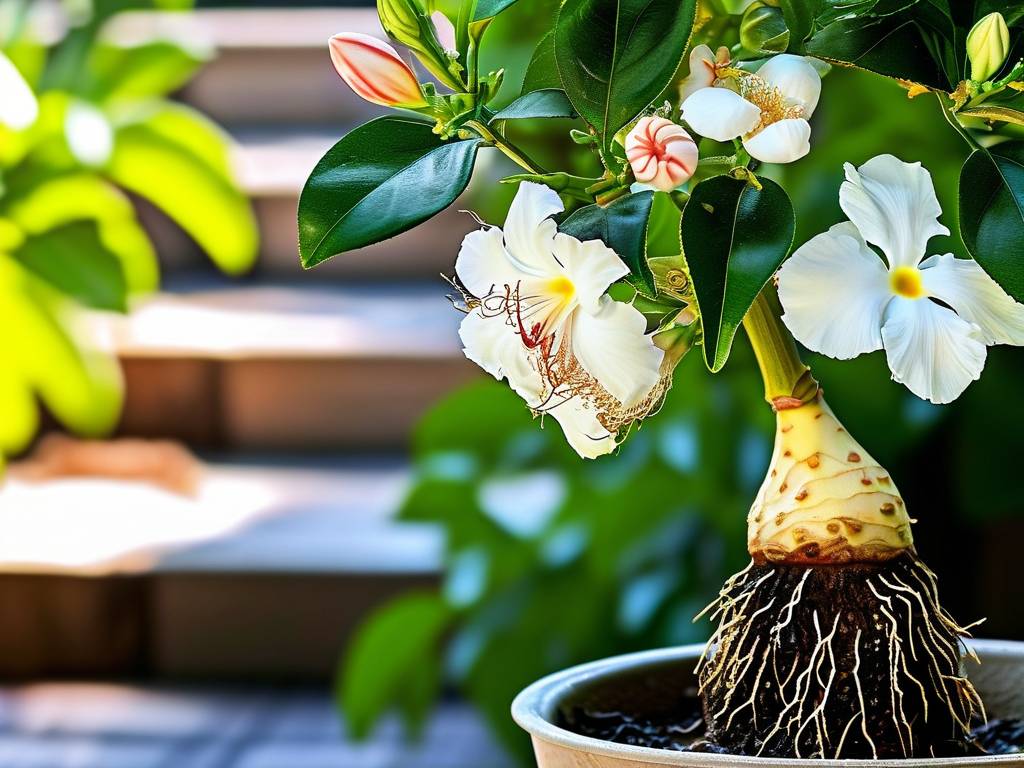
Signs of Overwatering (Root Rot):
- Yellowing leaves that start from the lower, older leaves.
- Leaves that are soft, limp, and may drop, not crispy.
- A general wilt despite wet soil.
- Brown, mushy roots with a foul smell if you inspect the root ball. Healthy roots are firm and white or light tan.
Signs of Underwatering:
- Yellowing or browning leaves starting at the tips and edges.
- Leaves that are dry, crispy, and brittle.
- Overall droop or wilt with bone-dry soil.
- Stunted growth and lack of flowering.
If you suspect root rot, act immediately. Remove the plant from its pot, gently wash the roots, and prune away all soft, brown, smelly roots with sterilized shears. Repot into fresh, dry, well-draining soil and a clean pot. Water sparingly until you see new growth.
My jasmine is in full sun and the leaves droop every afternoon. Should I water it more? Not necessarily. Midday droop is often a plant's natural response to extreme heat and light, a way to reduce surface area and conserve water. Check the soil first. If it's still moist, the plant is likely just transpiring heavily and will perk up in the evening. Automatic watering in this state is a fast track to root rot.
Can I use a moisture meter to help? Absolutely. A quality moisture meter can be a useful tool, especially for deeper pots. However, it should complement, not replace, the physical finger test. Calibrate your meter's readings by comparing them with what you feel in the soil for the first few uses.
Is misting my jasmine leaves a good substitute for watering? No. Misting increases humidity around the foliage, which jasmine often appreciates, but it does not provide moisture to the roots. Relying on misting for hydration will lead to underwatering. Focus water at the soil level where the roots can access it.
Successfully nurturing jasmine through the summer heat hinges on a disciplined, observant approach to watering. By abandoning the calendar, embracing the "soak and dry" method, and ensuring your plant has the right soil and drainage, you create an environment where roots are hydrated yet can breathe. This balance is the true secret to a resilient plant that rewards you with vigorous growth and an abundance of its legendary, fragrant blooms all season long. Remember, when in doubt, it’s always safer to err on the side of slightly too dry than too wet. Your jasmine’s roots will thank you.