bluename
 How to Care for Silver Syngonium: Mastering Silvery Leaves & Unique Texture
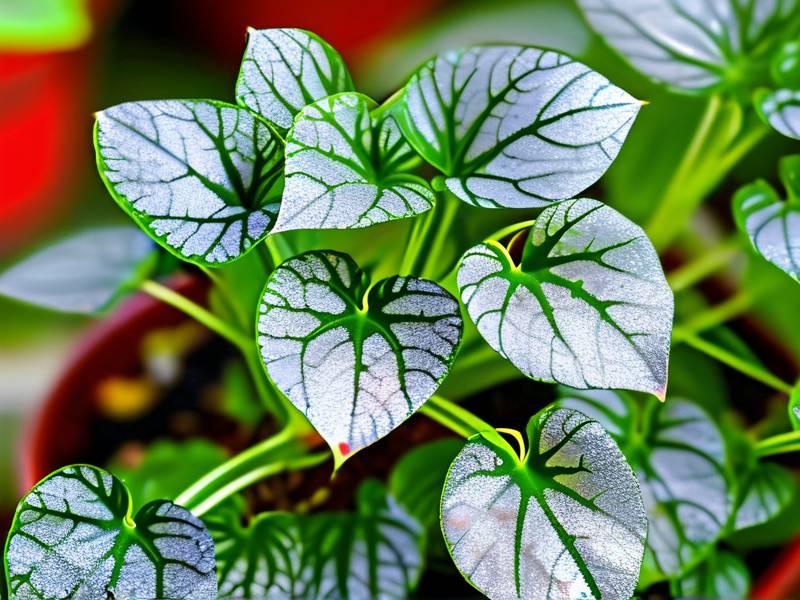
You've brought home a stunning Silver Syngonium, captivated by its mesmerizing silvery leaves and unique texture. But now, you might be noticing the vibrant patterns fading, leaves turning yellow, or a general lack of that lush, velvety appearance you fell in love with. Don't worry, you're not alone. Caring for this particular plant, with its distinctive foliage, requires understanding its specific needs beyond basic plant care. This guide will walk you through every step to ensure your Silver Syngonium not only survives but thrives, showcasing its full silvery splendor and remarkable leaf texture.
Understanding Your Silver Syngonium's Origins
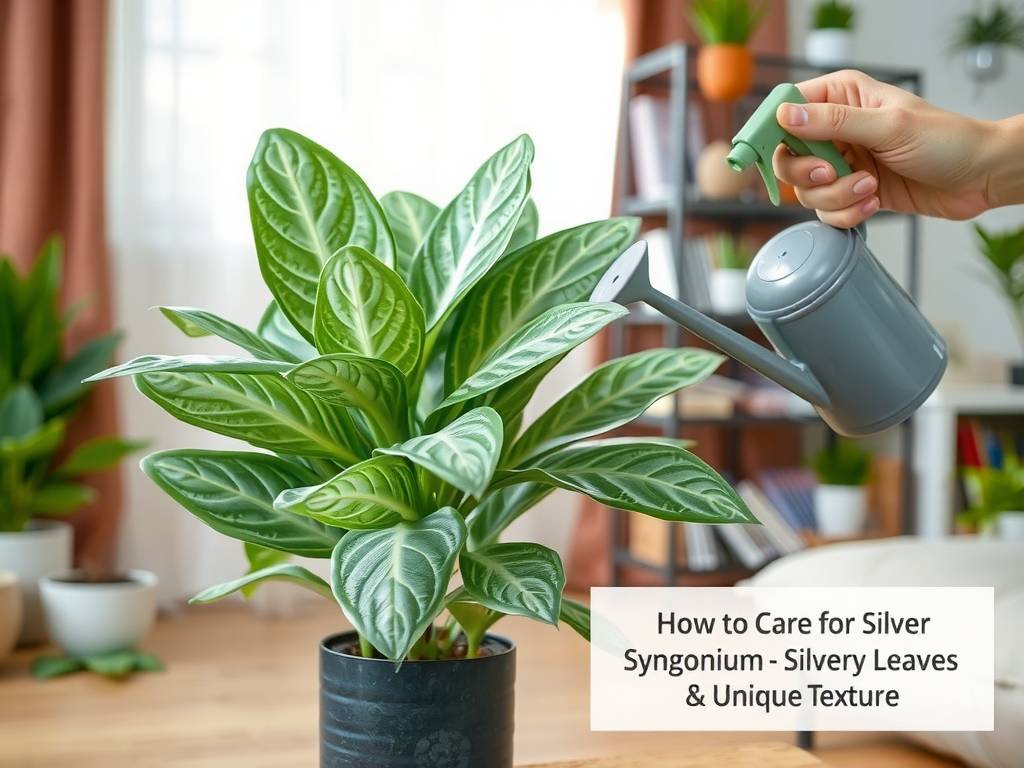
To care for a plant effectively, it helps to know where it comes from. Silver Syngonium, often a variety of Syngonium podophyllum like 'Silver Cloud' or 'Albo-Variegatum', is native to the tropical rainforests of Latin America. There, it grows as an understory plant, climbing trees in dappled sunlight, enjoying high humidity, and thriving in rich, well-draining soil. This origin story is the blueprint for its care in your home. Replicating these conditions is the key to unlocking those perfect silvery leaves and robust growth.
The Foundation: Perfecting Light for Silver Foliage
Light is the single most critical factor in maintaining the stunning silver variegation and texture of your plant. Too much light scorches the delicate leaves, bleaching the silver patterns. Too little light causes the plant to revert to greener foliage, as it desperately produces more chlorophyll to survive, diminishing the unique silvery marbling that makes it so special.
The ideal setup is bright, indirect light. Think of the light under a canopy of trees—present but filtered. An east-facing window is often perfect, providing gentle morning sun. A spot a few feet back from a south or west-facing window, shielded by a sheer curtain, also works well. Observe your plant's leaves; they will tell you if the light is right. Crispy, brown edges or faded patches often signal too much direct sun. Leggy growth with small, less-vibrant leaves points to insufficient light.
Mastering Watering Techniques for Healthy Roots
Watering is where many plant enthusiasts stumble. The Silver Syngonium prefers its soil to be consistently moist but never soggy. Its roots need access to both water and air, and waterlogging is a fast track to root rot, which manifests as yellowing leaves and a wilting plant despite wet soil.
Adopt the "soak and dry" method. Water your plant thoroughly until water runs freely from the drainage holes, ensuring the entire root ball is hydrated. Then, allow the top 1-2 inches of soil to dry out completely before watering again. You can check this with your finger. The frequency will vary with seasons—more often in warm, bright summers and less in cool, dim winters. Using room-temperature water is also kinder to the plant's roots. According to the Royal Horticultural Society (RHS), overwatering is the most common cause of houseplant failure, emphasizing the need for a disciplined approach tailored to the plant's environment.
Creating a Humid Haven for Lush Texture
The unique, often slightly textured or velvety feel of the Silver Syngonium's leaves is best supported in a humid environment. Dry, indoor air—common in homes with air conditioning or heating—can lead to crispy leaf tips and edges, detracting from the plant's beauty.
Aim for humidity levels above 50%. You can achieve this through several methods:
- Grouping plants together to create a microclimate.
- Placing the pot on a pebble tray filled with water (ensure the pot sits above the water line).
- Using a room humidifier, which is the most effective and consistent solution. Regularly misting the leaves can provide a temporary boost, but it's not a long-term solution and should be done with caution to avoid fungal issues on the leaves. The American Horticultural Society of America (AHSA) notes that tropical foliage plants like Syngonium significantly benefit from supplemental humidity, which mimics their natural habitat and promotes larger, healthier leaves.
Soil and Fertilization: The Nutrition for Growth
Your Silver Syngonium needs a supportive yet aerated home for its roots. A well-draining, peat-based potting mix is ideal. You can use a standard houseplant mix and enhance it with perlite or orchid bark to improve drainage and aeration. This mix prevents compaction, allowing roots to breathe and access water efficiently.
Feeding your plant supports its growth and variegation. During the active growing season (spring and summer), fertilize once a month with a balanced, water-soluble fertilizer diluted to half the recommended strength. Over-fertilizing can cause salt buildup in the soil and damage the roots, leading to brown leaf tips. In fall and winter, when growth slows, reduce or stop fertilizing altogether. The silvery variegation doesn't require a special fertilizer; it's supported by good overall health and correct light.

Pruning and Training for a Desirable Shape
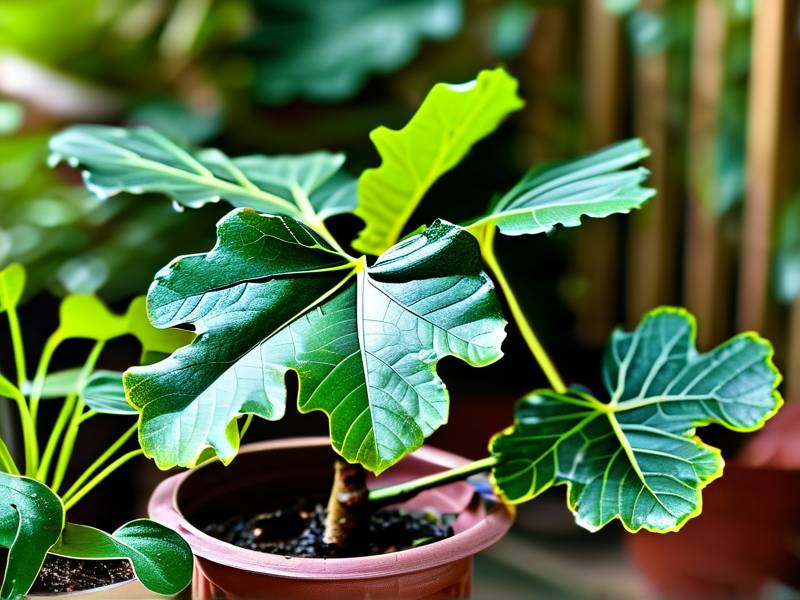
Silver Syngonium is a natural climber. You can let it trail from a hanging basket for a cascading effect or provide a moss pole or trellis for it to climb. As it matures, the leaves often change shape, becoming more lobed. Pruning helps maintain a bushy, compact form. Simply pinch or snip off the growing tips just above a leaf node. This encourages the plant to branch out. Remove any yellow or damaged leaves at the stem base to keep the plant healthy and direct energy to new growth. Pruning is also the perfect way to take cuttings for propagation.
Troubleshooting Common Silver Syngonium Problems
- Yellow Leaves: This is most commonly due to overwatering. Check your soil moisture and watering schedule. It can also indicate under-watering, poor drainage, or a need for fertilizer.
- Brown Leaf Tips/Crispy Edges: Usually a sign of low humidity or inconsistent watering (allowing the soil to get too dry for too long). Fluoride in tap water can also contribute.
- Loss of Variegation (Leaves Turning Green): The plant is not receiving enough light. Gradually move it to a brighter location with indirect light.
- Pests: Keep an eye out for common pests like spider mites, mealybugs, and aphids. Wipe leaves regularly with a damp cloth and treat any infestations early with insecticidal soap or neem oil.
Propagating Your Silver Syngonium
Sharing your plant is easy. The best method is stem cuttings. In spring or summer, cut a 4-6 inch stem section just below a node (the bump where a leaf attaches). You can root it in water (change the water weekly) or directly in a moist potting mix. Place it in bright, indirect light. Roots typically develop in a few weeks. Once established in soil, care for it as you would a mature plant.
How often should I repot my Silver Syngonium? Repot every 1-2 years in spring, or when you see roots growing out of the drainage holes. Choose a pot only 1-2 inches larger in diameter to prevent excess soil from staying wet too long.
Can a Silver Syngonium tolerate low light? While it is more tolerant than some plants, true low light will cause leggy growth and a loss of its beautiful silver variegation. For the best color and texture, provide bright, indirect light.
Is the Silver Syngonium pet-friendly? No. Like other plants in the Araceae family, Silver Syngonium contains calcium oxalate crystals, which are toxic if ingested by cats, dogs, or humans. It can cause oral irritation and digestive upset. Keep it in a location inaccessible to curious pets and children.
Caring for a Silver Syngonium is a rewarding journey. By paying attention to its need for bright, filtered light, consistent moisture without sogginess, and elevated humidity, you are directly supporting the development of its signature silvery leaves and unique texture. Observe your plant closely—it will communicate its needs through its foliage. With this mindful approach, you'll be able to cultivate a spectacular, healthy specimen that brings a touch of tropical elegance and captivating texture to your indoor space for years to come.