bluename
 How to Care for Pink Butterfly Syngonium: A Guide to Vibrant Pink Foliage
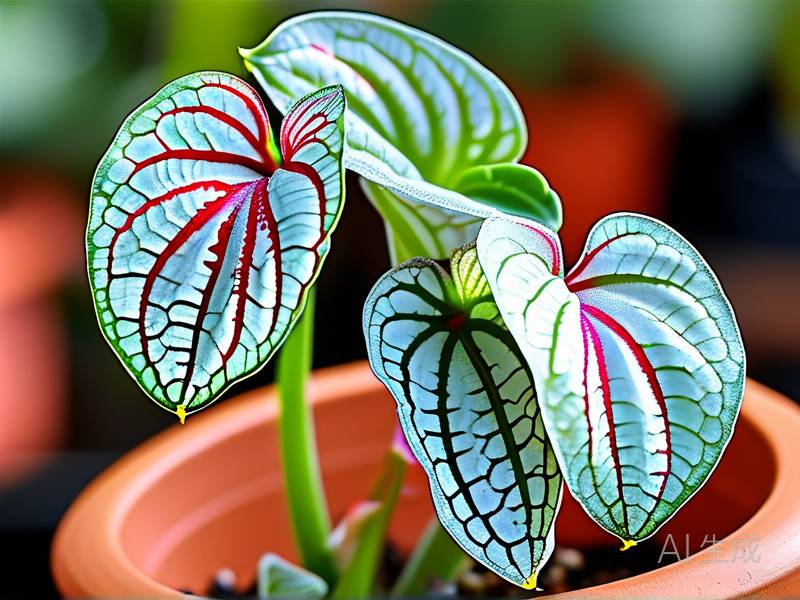
You’ve brought home the stunning Pink Butterfly Syngonium, captivated by its delicate, arrow-shaped leaves splashed with shades of pink. But now, those vibrant colors might be fading, or perhaps you’re noticing a drooping leaf, leaving you wondering how to maintain its high ornamental value. Keeping this tropical beauty thriving and its pink variegation pronounced is a common challenge for plant enthusiasts. This comprehensive guide will walk you through every step, ensuring your Pink Butterfly Syngonium not only survives but flourishes, showcasing the gorgeous pink foliage that makes it so desirable.
Understanding Your Pink Butterfly Syngonium
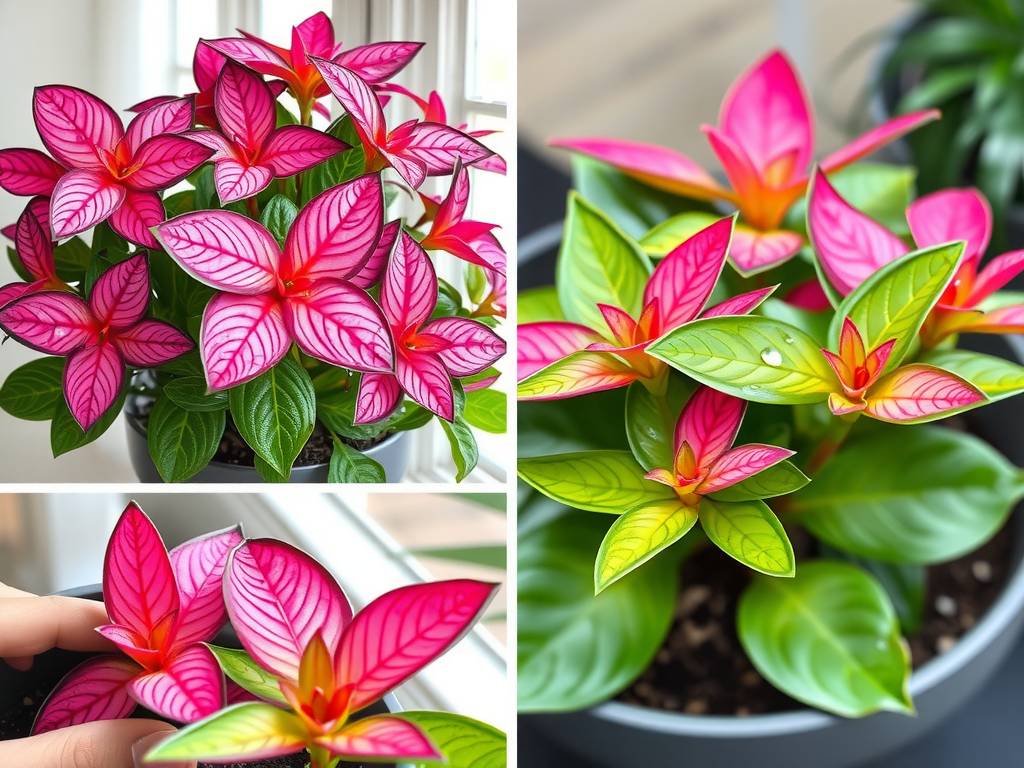
Native to the tropical rainforests of Latin America, the Pink Butterfly Syngonium is a cultivar prized for its stunning foliage. Its care revolves around replicating those warm, humid, and bright but indirect light conditions. The key to unlocking its full potential lies in understanding a few fundamental principles that directly impact leaf color and overall plant health.
Essential Care Guidelines for Pink Foliage
Light: The Foundation of Pink Coloration
Light is the single most critical factor in maintaining the pink variegation in your Syngonium. Insufficient light will cause the plant to revert to greener leaves, as it produces more chlorophyll to capture energy. However, direct sunlight will scorch the delicate leaves.
For optimal color, provide bright, indirect light. An east-facing window is ideal. A spot a few feet back from a south or west window, shielded by a sheer curtain, also works perfectly. If natural light is limited, consider supplementing with a grow light. According to the Royal Horticultural Society (RHS), plants with variegated foliage often require brighter light than their all-green counterparts to sustain their patterns, making proper placement non-negotiable for the Pink Butterfly Syngonium.
Watering: Mastering the Balance
The goal is consistently moist but never waterlogged soil. Overwatering is a fast track to root rot, while underwatering will cause leaves to curl, brown, and drop.
Check the soil weekly. Insert your finger about an inch deep. If it feels dry, it’s time to water. Soak the soil thoroughly until water runs freely from the drainage holes, then empty the saucer beneath. Reduce watering frequency in the winter when plant growth naturally slows. Using room-temperature water is best to avoid shocking the roots.
Soil and Potting: Ensuring Proper Drainage
A well-draining, aerated potting mix is essential. A standard houseplant potting mix amended with perlite and orchid bark works wonderfully. This combination ensures moisture retention while allowing excess water to drain away, protecting the roots.
Repot your Pink Butterfly Syngonium every 1-2 years in spring, or when you see roots circling the bottom of the pot. Choose a pot only 1-2 inches larger in diameter to prevent excess soil from staying wet too long. Always use a pot with drainage holes.
Humidity and Temperature: Recreating the Tropics
As a tropical plant, your Syngonium thrives in humidity levels above 50%. Average home humidity is often lower, especially in winter.
To increase humidity, group plants together, use a pebble tray filled with water, or employ a humidifier. The American Horticultural Society (AHS) notes that maintaining adequate ambient humidity is crucial for preventing crispy leaf edges and promoting lush, healthy growth in tropical foliage plants. Aim for temperatures between 60°F and 80°F (15°C – 27°C), and protect the plant from cold drafts and sudden temperature changes.
Feeding and Pruning for Optimal Growth
Fertilizing: Fueling Growth and Color
Feed your plant during the active growing season (spring and summer) with a balanced, water-soluble fertilizer diluted to half strength. Apply every 4-6 weeks. Avoid over-fertilizing, which can lead to salt buildup and leaf burn. You can also use a fertilizer slightly higher in nitrogen to support foliage development, but a balanced formula is perfectly adequate. Do not fertilize in fall and winter.
Pruning and Shaping: Encouraging Bushiness
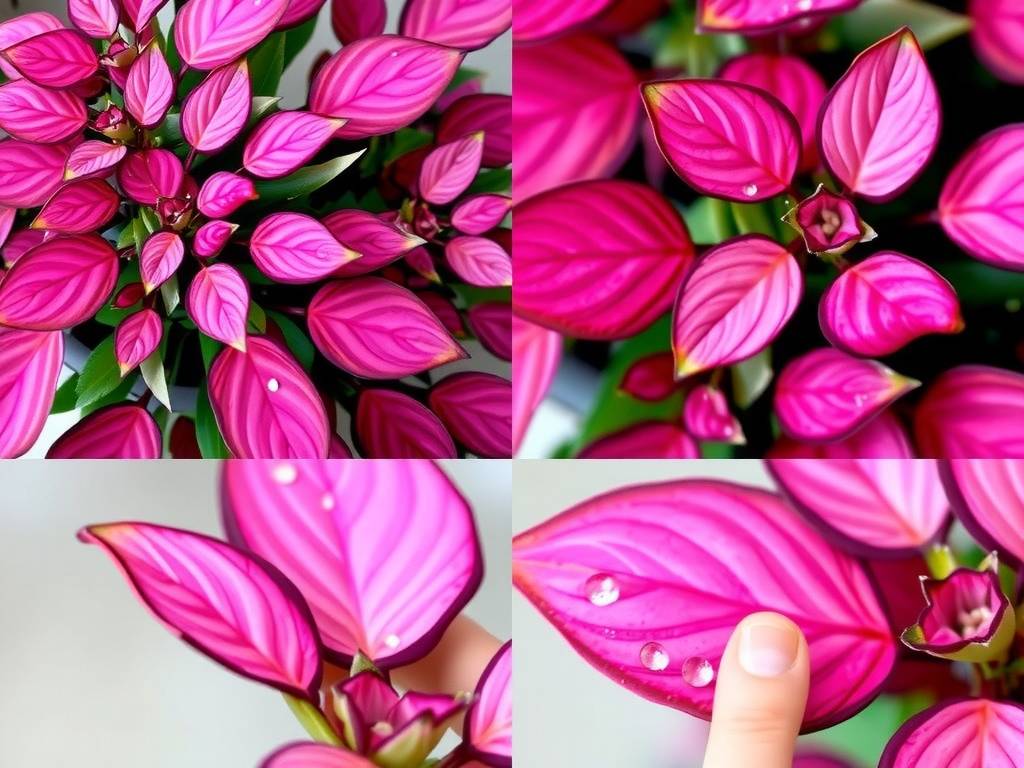
Pink Butterfly Syngonium can become leggy over time. Regular pruning encourages a fuller, bushier plant. Simply pinch or snip off the growing tips just above a leaf node. You can propagate these cuttings in water or soil to create new plants. Remove any yellowing or damaged leaves at the base to keep the plant healthy and direct energy to new growth.
Advanced Tips for High Ornamental Value
Supporting a Climbing Habit
While often grown as a trailing plant, Syngonium podophyllum is a natural climber. Providing a moss pole or trellis allows it to attach its aerial roots and grow upward. Mature leaves on a climbing plant often become larger and more intricately lobed, enhancing its ornamental appeal. This vertical growth can create a stunning, architectural display.
Troubleshooting Common Issues
- Fading Pink Color: This is almost always due to low light. Gradually move the plant to a brighter location with indirect light.
- Yellow Leaves: Can indicate overwatering, poor drainage, or sometimes underwatering. Check your soil moisture routine and ensure the pot drains well.
- Brown, Crispy Leaf Edges: Usually a sign of low humidity or inconsistent watering. Increase humidity and ensure you are watering thoroughly when the topsoil is dry.
- Pests: Watch for common houseplant pests like spider mites, mealybugs, and aphids. Wipe leaves regularly with a damp cloth and treat any infestations promptly with insecticidal soap or neem oil.
Propagating Your Pink Butterfly Plant
Propagating Pink Butterfly Syngonium is straightforward and a great way to share your plant. Take stem cuttings with at least one node (where the leaf meets the stem) and place them in water or directly into moist soil. Roots will develop in a few weeks. For the best results with pink variegation, take cuttings from stems that display strong pink coloring.
Frequently Asked Questions
Why are the new leaves on my Pink Butterfly Syngonium mostly green? New leaves often emerge with a greener hue and develop their pink variegation as they mature and receive adequate light. Ensure the plant is getting enough bright, indirect sunlight. If mature leaves are also reverting to green, it’s a definite sign to increase light exposure.
Is the Pink Butterfly Syngonium safe for pets? No. Like other plants in the Araceae family, Syngonium plants contain calcium oxalate crystals, which are toxic to cats and dogs if ingested. It can cause oral irritation, drooling, and vomiting. Keep this beautiful plant in a location inaccessible to curious pets.
How often should I mist my plant to increase humidity? Misting provides a very temporary boost in humidity and is not the most effective method. It can also promote fungal diseases if water sits on the leaves for too long. For consistent results, using a humidifier or a pebble tray is a far better strategy for maintaining the high humidity levels this tropical plant craves.
Caring for a Pink Butterfly Syngonium is a rewarding experience. By providing the right balance of bright, indirect light, consistent moisture, warm temperatures, and ample humidity, you will be rewarded with a vigorous plant that proudly displays its stunning pink foliage. Whether allowed to trail elegantly from a shelf or climb a moss pole, its high ornamental value will make it a captivating focal point in any indoor garden. Observe your plant, adjust care as needed, and enjoy the vibrant beauty it brings to your space.