bluename
 How to Care for Climbing Syngonium - Fast Climbing & Elegant Trailing Form
You've brought home a beautiful climbing Syngonium, enchanted by its promise of lush, fast-growing vines and elegant trailing form. But now, the leaves are drooping, the growth has stalled, or those stunning variegations are fading. You're left wondering what you're doing wrong. Achieving that perfect cascade of arrowhead-shaped leaves isn't just about luck; it's about understanding the specific needs of this versatile climber. This comprehensive guide will walk you through every step, transforming your care routine and helping your plant reach its full, glorious potential.
Understanding Your Climbing Syngonium
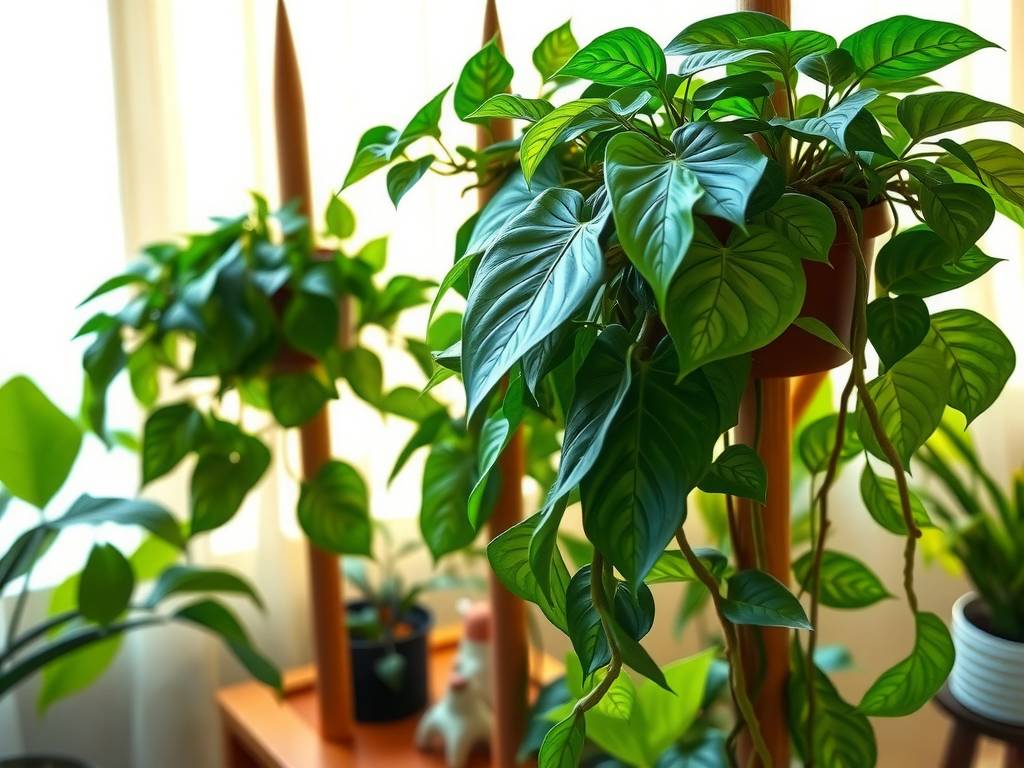
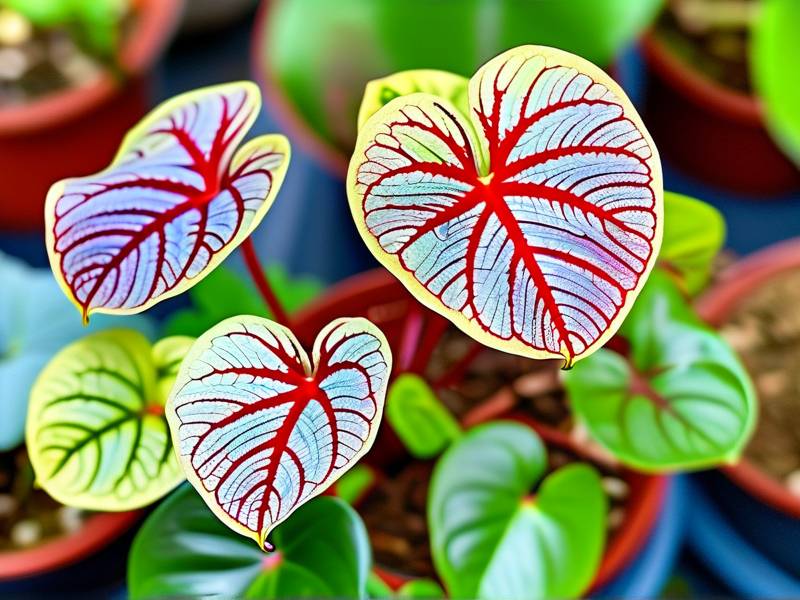
Before we dive into care, let's meet the plant. Syngonium podophyllum, commonly known as the arrowhead vine or goosefoot plant, is a tropical aroid native to Latin America. Its magic lies in its transformative nature. As a juvenile, it often starts with bushy, upright growth. Given the right conditions and support, it enters its climbing phase, developing larger, more mature leaves and longer internodes, perfect for creating that elegant trailing display from a hanging basket or a tall shelf.
There are numerous cultivars, from the classic 'White Butterfly' with its creamy variegation to the deep burgundy 'Berry Allusion' and the nearly white 'Albo Variegatum'. Each shares the same fundamental care needs, with slight variations in light requirements for highly variegated types.
Essential Care for Lush Growth and Fast Climbing
Light: The Engine of Growth
Light is the single most important factor for encouraging fast climbing growth in your Syngonium. It fuels photosynthesis, which in turn fuels the development of new stems and leaves.
Bright, indirect light is the sweet spot. Think of the light in a room with an east-facing window or a few feet back from a south or west-facing window with a sheer curtain. Direct afternoon sun can scorch the delicate leaves, causing brown, crispy patches.
In lower light, your Syngonium will survive but won't thrive. Growth will slow significantly, the distance between leaves (internodes) will elongate in a leggy, weak search for light, and variegation will fade to solid green. According to the Royal Horticultural Society (RHS), foliage plants like Syngonium require good light levels to maintain their form and leaf color, though direct sun should be avoided.
Watering: The Balancing Act
The goal is consistently moist but never soggy soil. Your Syngonium's water needs will change with the seasons, light levels, and temperature.
Check the soil weekly. Insert your finger about an inch into the potting mix. If it feels dry, it's time to water. Water thoroughly until it runs freely from the drainage holes, ensuring the entire root ball is hydrated. Always empty the saucer afterward to prevent root rot.
Signs of overwatering include persistently wet soil, yellowing lower leaves, and a general wilted, mushy appearance. Signs of underwatering are dry, crispy leaf edges, drooping stems, and soil pulling away from the pot's edges. The American Horticultural Society (AHA) emphasizes that overwatering is a leading cause of houseplant failure, as it suffocates roots and invites disease.
Soil and Potting: Building a Strong Foundation
A well-draining, airy potting mix is non-negotiable. A standard peat-based or coco coir-based potting mix amended with perlite and orchid bark works perfectly. This combination retains some moisture while allowing excess water to drain and oxygen to reach the roots.
Repot your climbing Syngonium every 1-2 years in spring, or when you see roots circling the bottom of the pot. Choose a new pot only 1-2 inches larger in diameter. A pot that's too big holds excess moisture, risking root rot. Ensure every pot has adequate drainage holes.
Temperature and Humidity: Recreating the Tropics
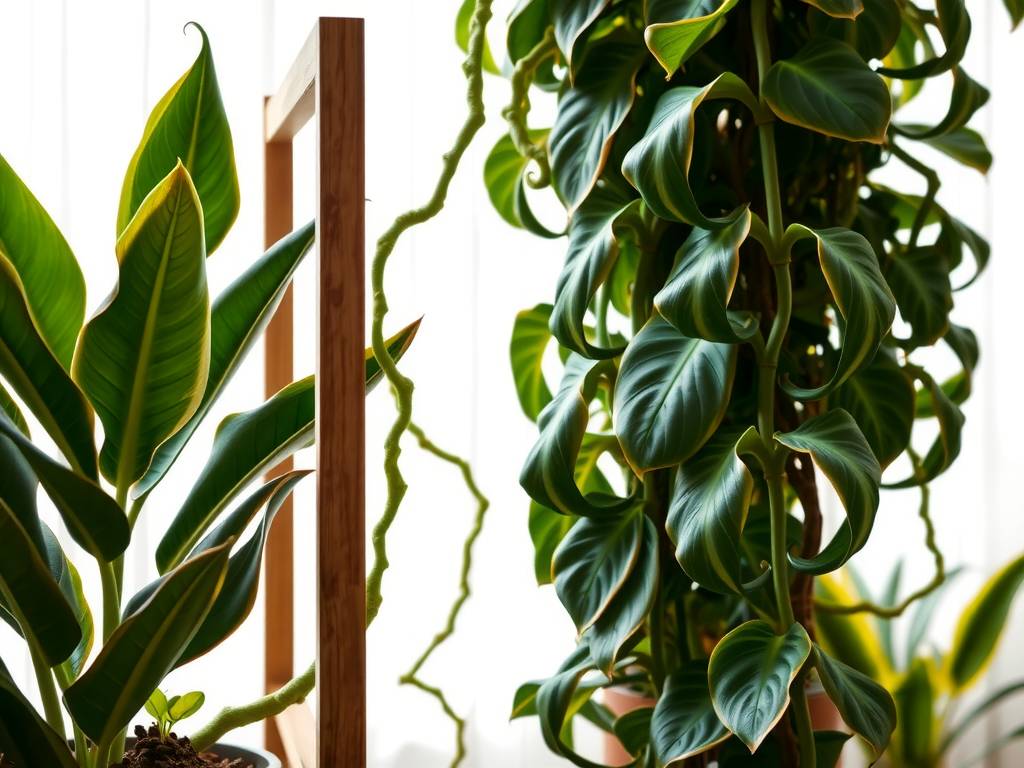
As a tropical plant, your Syngonium prefers warmth and humidity.
Maintain temperatures between 60°F (15°C) and 80°F (27°C). Avoid cold drafts from windows, doors, or air conditioning vents, as temperatures below 50°F (10°C) can cause damage.
Humidity above 40% is ideal. Brown, crispy leaf tips are a classic sign of low humidity. To increase it, group plants together, use a pebble tray filled with water, or employ a room humidifier. Misting provides a temporary boost but is not a long-term solution and can promote fungal issues if overdone.
Training for an Elegant Trailing Form
This is where you shape your plant's destiny. To encourage a long, elegant trailing form, you have two primary aesthetic choices.
The Trailing Look: For a cascade of foliage from a hanging basket or high shelf, simply allow the vines to grow downwards. Pinch back the very tips of the vines occasionally to promote bushier growth at the top, which leads to a fuller plant with more trailing stems.
The Climbing Look: To encourage larger, mature leaves and a vertical climbing habit, provide a support. Moss poles, coco coir poles, or simple trellises are excellent. As the plant grows, gently attach the stems to the support using soft plant ties or clips. The aerial roots will naturally cling to a moist moss pole, mimicking its natural epiphytic growth and often triggering the development of more impressive, lobed mature leaves.
Fertilizing for Fast Climbing Vines
During the active growing season (spring and summer), feed your Syngonium every 4-6 weeks with a balanced, water-soluble fertilizer (e.g., 10-10-10 or 20-20-20), diluted to half the recommended strength. This provides the nutrients needed for fast climbing and new leaf production.
In fall and winter, when growth naturally slows, reduce feeding to once every 8-10 weeks or stop altogether. Over-fertilizing can lead to salt buildup in the soil, which manifests as brown leaf margins and stunted growth.
Pruning and Maintenance
Regular pruning keeps your plant healthy and attractive.
Use clean, sharp scissors to remove any yellowing or damaged leaves at the stem base. To control size or encourage fullness, you can cut back long vines just above a leaf node (the point where a leaf joins the stem). This will often stimulate new growth from that node, creating a bushier plant. You can propagate these cuttings easily in water or soil.
Common Problems and Solutions
- Yellow Leaves: Often caused by overwatering. Check soil moisture and ensure proper drainage.
- Brown Leaf Tips/Crispy Edges: Typically low humidity or underwatering. Increase humidity and check your watering schedule.
- Leggy Growth with Small Leaves: Insufficient light. Move the plant to a brighter location.
- Pests: Watch for spider mites (fine webbing), mealybugs (white cottony masses), and aphids. Wipe leaves with a damp cloth, use insecticidal soap, or apply neem oil as a treatment.
How can I make my Syngonium climb faster? Ensure it receives plenty of bright, indirect light, consistent warmth, and regular feeding during the growing season. Providing a moist moss pole will give its aerial roots something to grip, channeling energy into upward growth.
Why are the leaves on my trailing Syngonium losing their variegation? This is almost always due to insufficient light. The plant produces more green chlorophyll to compensate, drowning out the white or cream colors. Move it to a brighter spot, and new growth should regain its patterns.
Is a climbing Syngonium pet-friendly? No. Like many in the Araceae family, Syngonium plants contain calcium oxalate crystals, which are toxic if ingested by cats, dogs, or humans. It can cause oral irritation, drooling, and vomiting. Keep it in a location inaccessible to curious pets and children.
With its adaptable nature and stunning foliage, the climbing Syngonium is a rewarding plant for any indoor gardener. By mastering the balance of light, water, and humidity, and choosing how to guide its growth, you can cultivate either a magnificent climber or a graceful trailer. Pay attention to its signals—the way it grows and the condition of its leaves—and you’ll be rewarded with a vigorous, beautiful plant that brings a vibrant touch of the tropics to your home for years to come.