bluename
 How to Care for Peperomia Obtusifolia - Old Stalk Cultivation for Thick Stems
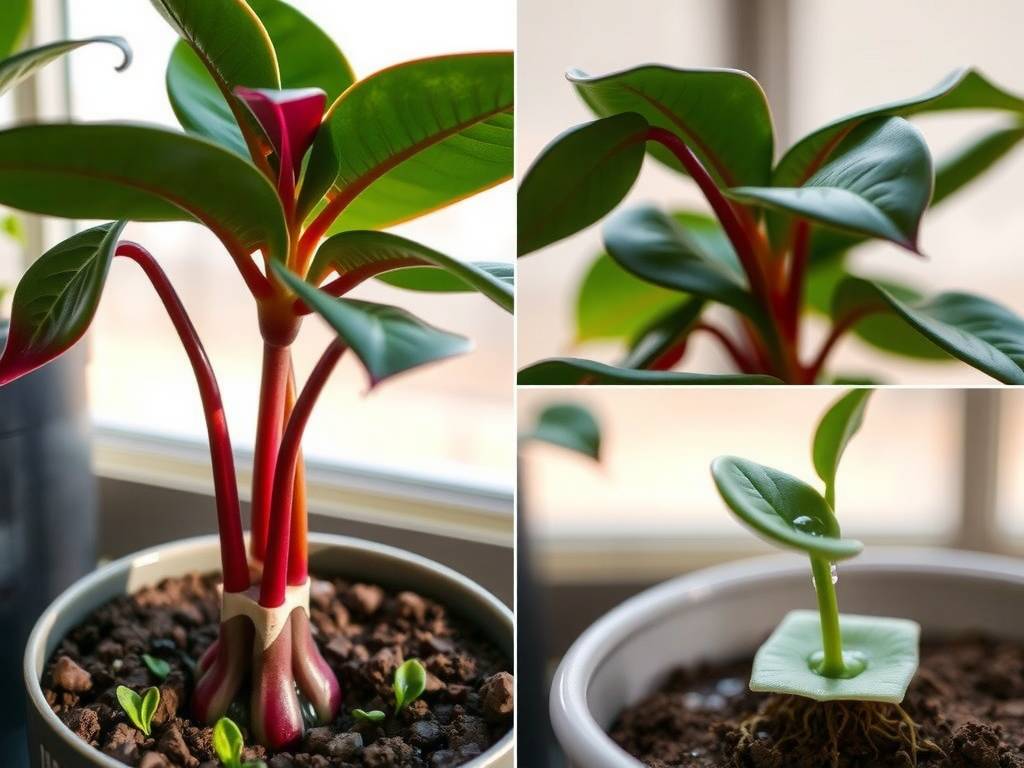
You’ve nurtured your Peperomia Obtusifolia, also known as the Baby Rubber Plant, for years. It’s alive, but something’s missing. The stems are long, perhaps a bit leggy, and lack that coveted, sturdy, tree-like trunk you admire in mature specimens. You’re not alone in wondering how to transform your plant from a simple houseplant into a robust, thick-stemmed showpiece. The secret lies not in complex fertilizers or rare techniques, but in understanding and applying the principles of old stalk cultivation for thick stems. This guide will walk you through the exact process, turning your patience and care into visible, lasting results.
Understanding the Goal: Why Thick Stems Matter
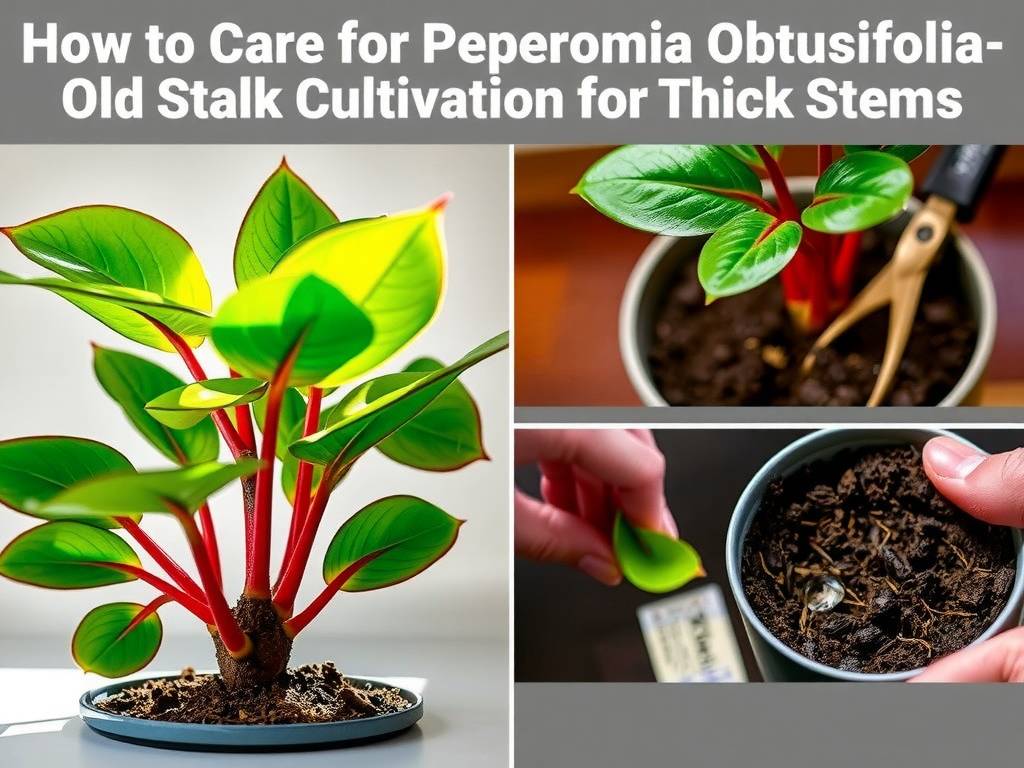
A Peperomia Obtusifolia with a thick, woody stem is more than just aesthetically pleasing. It’s a sign of a healthy, resilient plant. Thicker stems are stronger, better able to support the plant’s weight as it grows taller and fuller. They store more water and nutrients, making the plant more drought-tolerant and less susceptible to environmental stress. Essentially, cultivating a thick stalk builds a stronger foundation for your plant’s entire life. This process mimics natural growth conditions where limited resources and time encourage the plant to strengthen its core structure.
The Core Principle: Controlled Stress and Strategic Growth
Achieving significant stem thickening requires a two-pronged approach: managing energy and directing growth. The plant must be encouraged to allocate its resources—gained from light, water, and nutrients—toward strengthening its existing structure rather than solely producing new leaves or extending height. This involves elements of light management, precise watering, selective pruning, and patience. According to principles often cited by horticultural societies like the American Horticultural Society (AHS), resilient growth is fostered by replicating natural adaptive pressures in a controlled, supportive environment.
Essential Care for Foundation Health
Before you can specifically target stem thickening, you must ensure your basic care routine is optimal. A struggling plant cannot allocate energy to structural reinforcement.
Light: The Energy Source Bright, indirect light is non-negotiable. An east or west-facing window is ideal. Insufficient light causes etiolation—stretching toward the light source—resulting in thin, weak stems. Too much direct southern sun can scorch the leaves. If natural light is limited, consider a grow light placed 12-18 inches above the plant for 10-12 hours a day. Consistent, ample light provides the photosynthetic energy needed for all growth processes, including stem lignification (woodiness).
Watering: The Discipline Driver Peperomia Obtusifolia has semi-succulent properties. The thick stem cultivation method relies heavily on a "less is more" watering approach. Allow the top 50-75% of the soil to dry out completely between waterings. Then, water thoroughly until it drains from the pot’s bottom. This cycle of mild drought stress signals to the plant that it needs to conserve water in its stems, encouraging them to thicken and become more succulent. Overwatering is the fastest way to cause root rot and halt all progress.
Soil and Pot: The Support System Use a very well-draining potting mix. A standard cactus/succulent blend or a mix of regular potting soil with 30-50% perlite or pumice works perfectly. Ensure your pot has adequate drainage holes. A pot that is slightly snug (1-2 inches wider than the root ball) is better than an overly large one, as it helps the soil dry more efficiently and prevents the plant from focusing energy on expanding its root system excessively at the expense of stem growth.
The Active Cultivation Process for Thicker Stems
With a healthy plant as your canvas, you can now implement the active techniques for Peperomia Obtusifolia old stalk cultivation.
Strategic Pruning: Redirecting Energy This is your most powerful tool. Pruning isn’t just about shape; it’s about resource management.
- Pinch Back New Growth: Regularly pinching off the very tips of new stems encourages branching, which creates a bushier plant. More importantly, it halts vertical growth temporarily, forcing the plant to send energy back into strengthening the lower, older parts of the stalk.
- Leggy Stem Removal: If you have a particularly long, thin section, don’t be afraid to cut it back. Make a clean cut just above a leaf node (the point where a leaf meets the stem). The plant will respond by producing new growth from that node, and the remaining stalk will often thicken in response to the pruning stress.
Time and Patience: The Unseen Ingredients Stem thickening is a slow process, measured in seasons, not weeks. An old Peperomia stalk develops character and girth over years. Don’t expect rapid changes. Consistency in your care routine is key. The plant will gradually add layers of lignin (the compound that makes wood hard) to its vascular system, slowly increasing the stem’s diameter. Documenting with monthly photos can help you see the subtle progress.
Support and Training As your stalk becomes heavier and taller, it may need support. Using a subtle stake or small trellis can help train it to grow upright. This prevents leaning, which can cause uneven growth. Gently tying the main stem to the support encourages it to grow straight and strong, promoting even thickening.
Advanced Considerations for Optimal Results
Fertilization: A Balanced Diet Feed during the active growing season (spring and summer) only. Use a balanced, water-soluble fertilizer (e.g., 10-10-10) diluted to half-strength every 4-6 weeks. Avoid high-nitrogen formulas, which promote soft, leafy growth at the expense of sturdy stems. A mild fertilizer provides the building blocks for cellular growth without forcing excessive, weak expansion.
Propagation from Old Stems: Starting Anew The cuttings you take from pruning are perfect for propagation. This allows you to start a new plant with the explicit goal of cultivating a thick stem from the beginning. Take a cutting with at least one node, let the cut end callous for a day, and place it in water or moist soil. Once rooted, you can apply all the principles above from day one, potentially accelerating the process as you’re more knowledgeable.
Seasonal Adjustments In winter, reduce watering significantly and cease fertilization. Growth will slow or stop. This dormant period is not a setback; it’s a natural part of the cycle where the plant consolidates its resources. Resume regular care in spring when you see new growth emerge.
Why does my Peperomia’s stem feel soft or wrinkled? A soft, wrinkled stem is almost always a sign of overwatering and potential root rot. Immediately stop watering, check the roots for mushiness, and repot into fresh, dry, well-draining soil if necessary. Trim away any rotten roots. A slightly wrinkled stem can also indicate severe underwatering, but this is less common than overwatering issues.
Can I use any special product to thicken the stem faster? There are no magic products. Some growers use silica supplements to strengthen cell walls, which may contribute to overall plant rigidity. However, the most effective "product" is consistent, appropriate care—strong light, infrequent watering, and strategic pruning. As noted by experienced horticulturists, fostering natural resilience through proper culture always outperforms quick-fix solutions.
How long does it truly take to see noticeable thickening? For a young plant, you may see subtle firming and slight thickening within a single growing season (6-8 months) with perfect care. For a truly woody, mature-looking thick stem Peperomia Obtusifolia, think in terms of 2-4 years of consistent cultivation. The transformation is gradual but immensely rewarding, as each millimeter of added girth represents your successful stewardship.
Cultivating a Peperomia Obtusifolia with a thick, robust stem is a journey of patience and attentive care. It moves beyond keeping a plant alive and into the realm of guiding its form and strength. By mastering the balance of light, disciplined watering, and the strategic use of pruning to redirect energy, you encourage the plant to invest in its own structure. This process of old stalk cultivation not only results in a more dramatic and impressive specimen but also deepens your connection to and understanding of your plant’s natural growth patterns. Start with the basics, apply the techniques consistently, and let time work with you to reveal the strong, beautiful form within your Baby Rubber Plant.