bluename
 How to Care for Fittonia Albivenis - Mini Size & Closed Terrarium Survival
You've fallen in love with the stunning, nerve-like veins of a miniature Fittonia Albivenis, perhaps nestled in a charming closed terrarium. Its compact size and vibrant foliage make it an irresistible choice for small spaces and decorative glass gardens. Yet, keeping this delicate beauty alive, especially in the unique environment of a sealed terrarium, can feel like a constant battle against drooping leaves, mold, or sudden collapse. The challenge of maintaining perfect humidity without drowning the roots, or providing enough light without scorching the leaves, is real. This guide is designed to demystify the care of your mini Fittonia, transforming uncertainty into confidence and ensuring your tiny plant not only survives but thrives in its miniature world.
Understanding Your Miniature Fittonia Albivenis
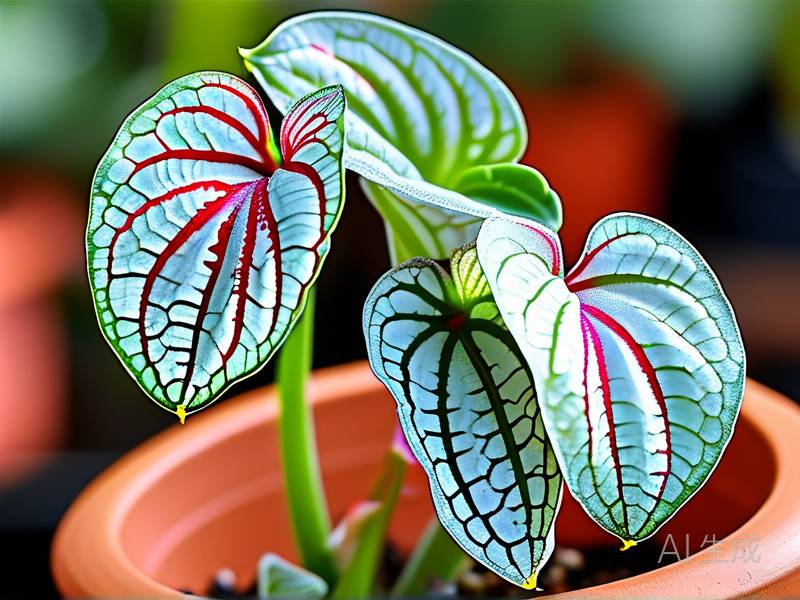
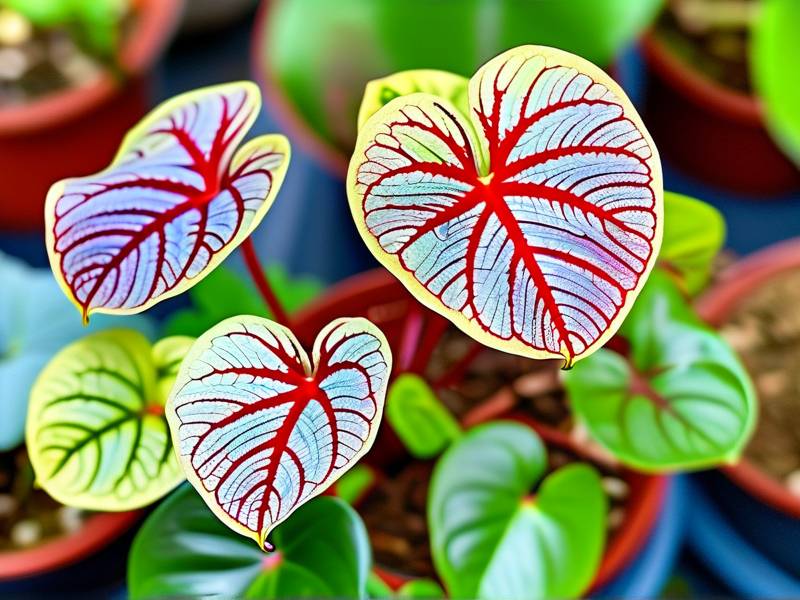
Often called the nerve plant or mosaic plant, Fittonia Albivenis is a tropical perennial native to the rainforests of South America. The mini varieties are selectively bred for their compact growth habit, making them ideal for terrariums and small containers. Their signature appeal lies in the intricate, web-like patterns of white, pink, or red veins contrasting against deep green leaves. This small size, however, doesn't diminish its big personality or specific needs. According to the Royal Horticultural Society (RHS), Fittonia is prized for its ornamental foliage but requires consistently high humidity and warm temperatures to mimic its jungle floor origins, a key factor for long-term health.
The Closed Terrarium Ecosystem: A Unique Challenge
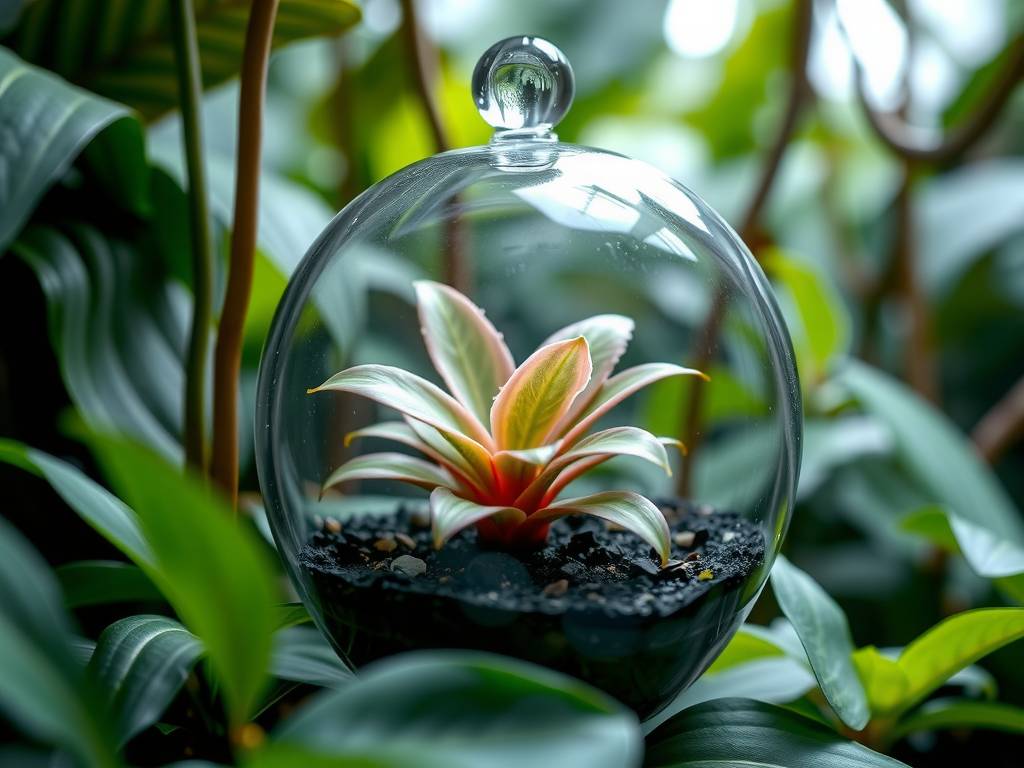
A closed terrarium is a self-sustaining miniature ecosystem. Once sealed, it recycles moisture through condensation and evaporation. This environment is perfect for humidity-loving plants like Fittonia, but it introduces specific care considerations. The American Horticultural Society (AHS) notes that successful terrarium gardening hinges on balance—too much moisture leads to rot and fungal issues, while too little light stifles growth. For a Fittonia, mastering this balance is the secret to closed terrarium survival.
Essential Care Guide for Mini Fittonia
Light Requirements: Bright but Indirect is Key
Your mini Fittonia detests direct sunlight. Harsh rays will quickly scorch its delicate leaves, causing bleached or brown patches. Instead, it thrives in bright, indirect light. A north or east-facing windowsill is often ideal. Inside a terrarium, place it away from direct sunbeams that can magnify through the glass and create an oven effect. If using artificial lights, LED grow lights set on a timer for 10-12 hours a day provide a perfect, controlled solution. The goal is to provide enough energy for photosynthesis and maintain those vibrant vein colors without causing stress.
Mastering Moisture and Humidity
This is the most critical aspect of Fittonia care. The plant's shallow roots are susceptible to both drought and sogginess.
Watering Mini Fittonia in Pots: For a mini Fittonia in a standard pot with drainage, the "soak and dry" method works well. Water thoroughly until it runs from the drainage holes, then allow the top inch of soil to dry out before watering again. The plant will give you a dramatic sign it's thirsty: its leaves will wilt completely. A timely drink will perk it back up within hours. Avoid letting the soil become bone dry or constantly wet.
Humidity for Terrarium and Pot Life: Fittonia requires humidity levels above 60%. In a closed terrarium, this is naturally maintained. For open pots, use a pebble tray filled with water placed beneath the pot, or group it with other plants to create a microclimate. Regular misting offers temporary relief but isn't a long-term solution and can promote leaf fungal spots if overdone.
The Perfect Soil Foundation
Well-draining, moisture-retentive, and aerated—this soil trifecta is non-negotiable. A standard potting mix is too dense. Create a blend using:
- 60% high-quality peat-free potting compost or coco coir (for moisture retention)
- 30% perlite or coarse horticultural sand (for drainage and aeration)
- 10% orchid bark or charcoal (for added structure and to keep soil "sweet" in terrariums)
This mix ensures roots have access to both water and oxygen, preventing the root rot that is a common killer in poorly draining containers.
Temperature and Environment
Keep your Fittonia in a warm spot with temperatures between 65°F and 80°F (18°C - 27°C). Avoid cold drafts from windows, doors, or air conditioning vents, as temperatures below 60°F (15°C) can cause leaf drop and damage. A stable, warm environment mimics its tropical home.
Pruning and Maintenance for Compact Growth
Regular, light pruning encourages your mini Fittonia to grow bushier and more compact, preventing it from becoming leggy. Simply pinch off the top pair of leaves on a stem just above a leaf node. You can propagate these cuttings easily in water or moist soil. Remove any yellowing or dead leaves promptly to maintain aesthetics and prevent potential decay, especially in a closed system.
Troubleshooting Common Fittonia Problems
Wilting Leaves: This is the classic Fittonia signal. If the soil is dry, it's underwatering. Water immediately. If the soil is wet, it could be overwatering leading to root rot. Check the roots—if they are brown and mushy, trim the damage, repot in fresh soil, and reduce watering frequency.
Yellowing Leaves: Often a sign of overwatering or poor drainage. Let the soil dry out more between waterings and ensure your pot has drainage holes. In terrariums, yellowing can indicate excessive moisture; air out the lid for a few hours.
Brown, Crispy Leaf Edges: Typically caused by low humidity, underwatering, or occasionally, fertilizer burn. Increase ambient humidity and review your watering schedule. Flush the soil with water if you suspect salt buildup from fertilizer.
Leggy Growth and Fading Color: This indicates insufficient light. Move the plant to a brighter location with indirect light. The vibrant vein color will intensify with proper light exposure.
Mold or Fungus in Terrarium: This shows an imbalance—too much moisture and not enough air circulation. Remove any visible mold with tweezers, wipe the glass with a paper towel, and leave the terrarium lid open for 12-24 hours to allow excess moisture to evaporate. Ensure it's not in a stagnant, dark corner.
Special Focus: Ensuring Closed Terrarium Survival
Planting and Setup: Start with a clean terrarium. Add a layer of small stones or gravel for drainage, followed by a thin layer of activated charcoal to filter the soil and prevent odors. Add your well-draining soil mix. Plant your mini Fittonia using long tools, ensuring its root ball is comfortably nestled. Lightly moisten the soil with a spray bottle—it should be damp, not soggy. Add other compatible plants (like mosses or small ferns) for a layered look.
The Sealing and Ventilation Balance: After planting, seal the terrarium and observe. A healthy cycle involves light condensation on the glass in the morning that evaporates by afternoon. If condensation is heavy and constant, there's too much water; leave the lid open until it clears. If no condensation ever forms, add a small splash of water. Most closed terrariums only need watering every few months, if at all. Periodically opening the lid for an hour every 2-4 weeks refreshes the air and prevents mold.
Compatibility with Other Plants: In a closed terrarium, choose plants with similar needs: low light, high humidity, and slow growth. Good companions include baby tears (Soleirolia soleirolii), certain mosses, and miniature ferns. Avoid succulents or cacti, which require arid conditions.
Fertilizing: Less is More
Fittonia has modest feeding needs. In a pot, fertilize monthly during the growing season (spring and summer) with a balanced, diluted liquid fertilizer (half strength is sufficient). In a closed terrarium, fertilizer is rarely needed, as you want to limit growth. If necessary, a single, highly diluted feeding once a year in spring is plenty. Over-fertilization leads to salt buildup and leaf burn.
Why is my Fittonia so dramatic, wilting all the time? Fittonia's shallow root system makes it highly sensitive to soil moisture. Wilting is its immediate reaction to dry conditions. Think of it as a clear communication tool. Consistent watering that keeps the soil lightly moist (but not wet) will minimize these dramatic episodes. In a well-balanced closed terrarium, this wilting behavior often ceases as the plant receives constant ambient moisture.
Can I grow a mini Fittonia in an open dish garden instead of a sealed terrarium? Absolutely. An open dish garden or "fairy garden" can work well, but you must compensate for the lack of a sealed humid environment. This means you will need to water more attentively and employ other humidity-boosting techniques, like a pebble tray. The plant may be slightly more prone to wilting if the air in your home is dry, so choose its location carefully.
How do I know if my closed terrarium has too much or too little water? Observe the condensation cycle. Perfect balance: light condensation forms on the glass walls during the cooler night/morning and evaporates by midday. Too much water: heavy, constant condensation that obscures the view, and possible water pooling at the bottom or signs of mold. Remedy by opening the lid until excess evaporates. Too little water: no condensation at all, and the plants may start to wilt. Remedy by adding a teaspoon or two of distilled water and resealing.
With its vivid foliage and compact form, the miniature Fittonia Albivenis is a jewel of the plant world, perfectly suited for the magical environment of a closed terrarium. Success hinges on understanding its language—the wilting leaves, the color changes—and replicating the humid, warm, and softly lit jungle floor it calls home. By providing bright indirect light, a well-draining yet moisture-retentive soil mix, and mastering the delicate humidity balance—especially within the sealed ecosystem of a terrarium—you can enjoy the lush, vibrant beauty of this nerve plant for years to come. It’s a testament to the fact that even the most delicate-looking plants can be remarkably resilient when given the right care.