bluename
 How to Care for Adiantum Capillus-Veneris - Humidity Control for Lush Growth
You’ve brought home a delicate, lacy Adiantum capillus-veneris, or Southern Maidenhair Fern, captivated by its elegant, black stems and fan-shaped leaflets. Yet, despite your best efforts, you watch in frustration as its fronds turn crispy, brown, and wither away. The culprit is almost always one critical factor: incorrect humidity. Achieving lush growth in this exquisite fern hinges on mastering the art of humidity control, a challenge for indoor gardeners in dry environments.
This guide will demystify the process, providing you with actionable, expert-backed strategies to create the perfect humid microclimate for your Maidenhair Fern to thrive, not just survive.
Understanding Your Fern's Natural Habitat
To replicate ideal conditions, we must first look to where Adiantum capillus-veneris grows in the wild. This species is typically found in moist, sheltered environments—along shaded stream banks, in damp grottoes, or in humid forest understories. The air is consistently moist, and the soil is well-draining yet perpetually damp.
The Royal Horticultural Society (RHS) notes that ferns from such habitats have evolved with leaf structures that readily lose moisture. When placed in the average home, especially with central heating or air conditioning, the ambient humidity can drop to 30% or lower, which is profoundly stressful for a plant adapted to 60-80% humidity. This disconnect is the root cause of most cultivation failures.
Why Humidity is Non-Negotiable for Maidenhair Ferns
Unlike many plants with waxy leaf coatings, Maidenhair Fern fronds are thin and delicate. They have a high transpiration rate, meaning they lose water vapor to the air rapidly. When surrounding air is dry, water loss outpaces the roots' ability to draw up moisture, leading to cellular damage. The edges and tips—the furthest points from the vascular system—dry out first, resulting in the tell-tale browning.
Furthermore, consistent humidity is crucial for unfurling new fronds, or fiddleheads. These emerging fronds are exceptionally vulnerable. Low humidity can cause them to abort, deform, or crisp up before they even fully expand, stunting your fern's lush, full appearance. Proper humidity control for lush growth isn't just about preserving old leaves; it's about enabling vibrant new growth.
Practical Strategies for Optimal Humidity Control
Creating the right environment doesn't require a greenhouse, but it does require consistent tactics. Here are the most effective methods, ranked by reliability.
The Gold Standard: Use a Humidifier
This is the most effective and low-effort solution for maintaining perfect humidity levels for Adiantum ferns. A cool-mist humidifier placed near your plant grouping allows you to dial in a specific humidity range.
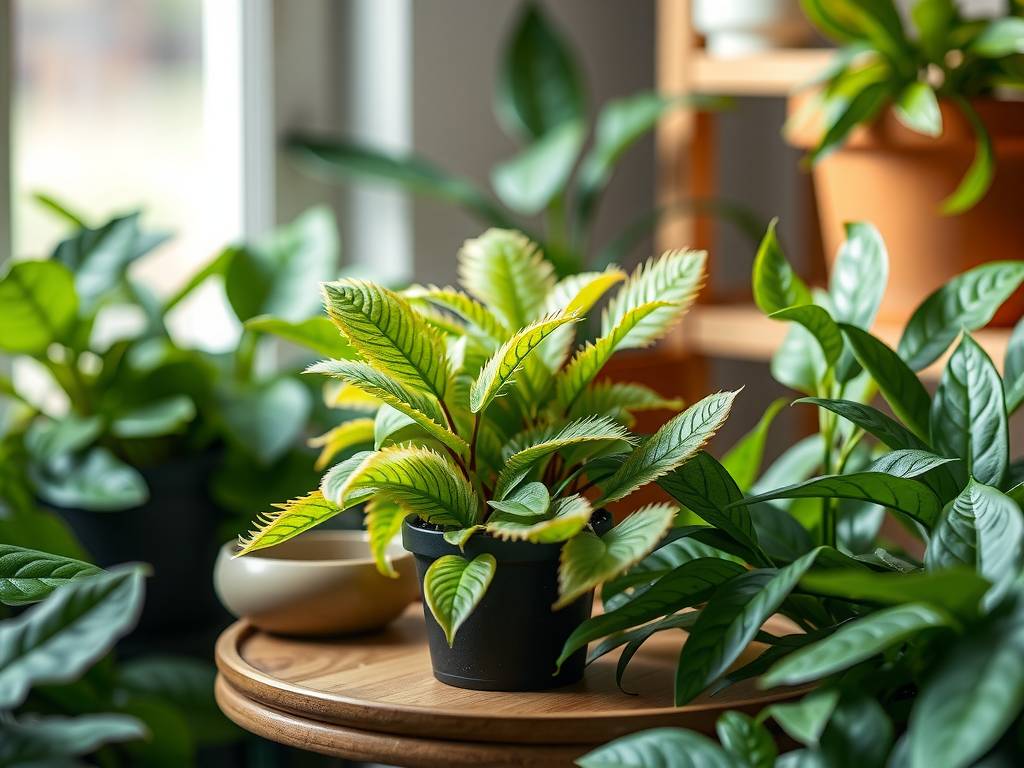
For best results, aim for 60-70% humidity. Use a digital hygrometer to monitor levels accurately; don't guess. Grouping your Maidenhair with other humidity-loving plants (like Calatheas or Orchids) creates a communal transpiration zone, amplifying the humidifier's effect. This method directly addresses the core issue of atmospheric moisture and is highly recommended by indoor plant specialists.
The Pebble Tray Method: A Simple Boost
A classic and simple technique involves placing your pot on a wide, shallow tray filled with pebbles and water. Ensure the pot sits on the pebbles, not in the water, to prevent root rot.
As the water evaporates, it increases humidity immediately around the fern. While studies, including those referenced by the American Horticultural Society (AHS), indicate this method offers a modest local increase (around 10-15%), it is a valuable supplemental tactic. For it to be effective, the tray must be wide enough to allow substantial surface area for evaporation and must be refilled regularly.
Strategic Grouping and Placement
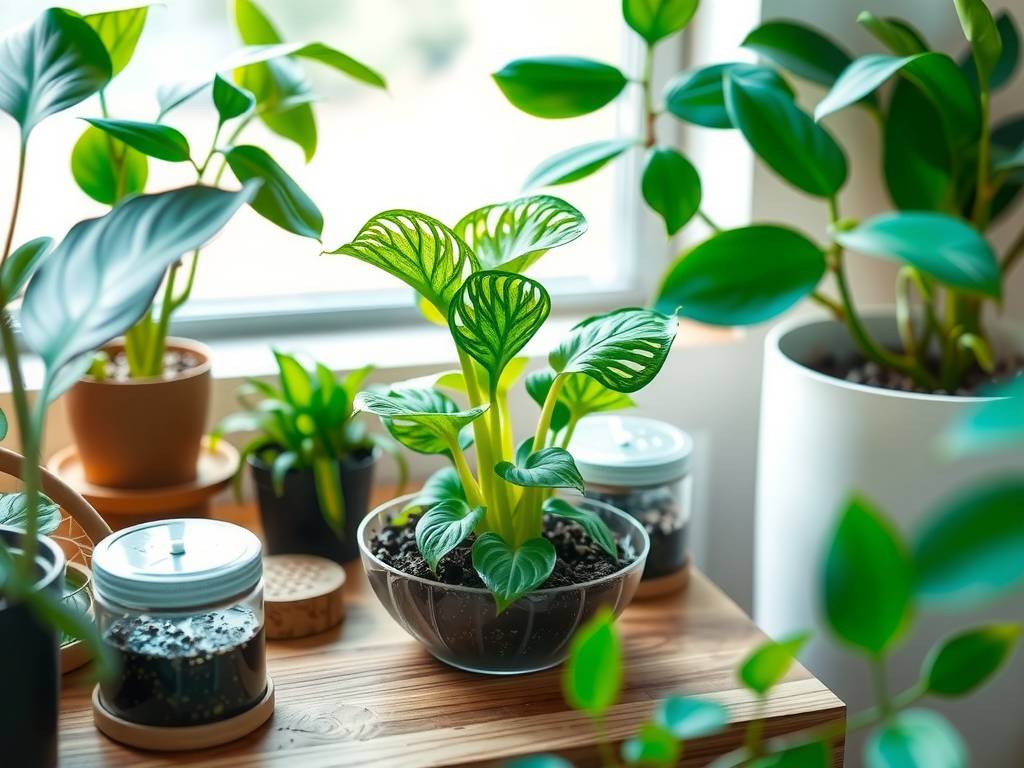
Never underestimate the power of plant community. Grouping plants together creates a microclimate where collective transpiration raises the local humidity. Place your Adiantum among other plants with similar needs.
Also, be strategically smart about room placement. Avoid placing your fern near heat vents, radiators, fireplaces, or drafty windows, as these areas experience drastic humidity fluctuations. Bathrooms or kitchens with natural light often have higher ambient humidity, making them excellent spots if light conditions are also met (bright, indirect light).
The Misting Debate: Proceed with Caution
Lightly misting your Maidenhair Fern can provide a temporary lift in humidity and help clean dust from its fronds. However, it is a fleeting solution—the moisture evaporates quickly. Over-misting, especially in poorly ventilated areas, can encourage fungal diseases on the foliage.
If you choose to mist, do so in the morning with fine, room-temperature water, allowing leaves to dry before nightfall. Consider it a brief refresh, not a primary humidity strategy.
Cultivating Healthy Maidenhair Ferns: Beyond Humidity
While humidity is paramount, it works in concert with other care elements. Ignoring these can undermine all your humidity efforts.
Watering: The Partner to Humidity
Your watering routine is intrinsically linked to humidity. The goal is consistently moist (but not soggy) soil. In a high-humidity environment, soil may dry slightly slower. In lower humidity, it may dry faster.
Water thoroughly when the top inch of soil feels just dry to the touch. Use lukewarm, filtered, or rainwater if possible, as Maidenhairs can be sensitive to chemicals and cold water. Perfecting your Adiantum capillus-veneris watering technique means synchronizing it with your humidity levels.
Light and Temperature: The Supporting Cast
Provide bright, indirect light. Direct sun will scorch the delicate fronds, compounding moisture loss. An east or north-facing window is often ideal.
Maintain temperatures between 60-75°F (15-24°C). Avoid sudden temperature drops. Stable, warm temperatures reduce plant stress and work synergistically with high humidity.
Nutrition and Soil
Feed monthly during the growing season (spring and summer) with a balanced, diluted liquid fertilizer. A weak half-strength solution is sufficient.
Use a premium, peat-based potting mix with excellent drainage. Amendments like perlite, orchid bark, or horticultural charcoal help prevent compaction and ensure the roots have access to both moisture and oxygen—a critical balance for preventing root rot while supporting lush fern growth.
Troubleshooting Common Humidity-Related Issues
- Persistent Brown Tips: This is a direct sign of dry air. Re-evaluate your humidity strategy. A humidifier is often the necessary upgrade from pebble trays or misting alone.
- Yellowing Fronds: Often a sign of overwatering, especially if combined with wet soil. Check that your pot has drainage holes and that you're not watering on a schedule but based on soil moisture.
- Lack of New Growth: Inadequate humidity can stunt new fiddleheads. Ensure conditions are consistently humid and that the plant is receiving adequate indirect light and gentle fertilizer during growth periods.
Expert Insights for Long-Term Success
Consistency is more critical than perfection. A stable environment where humidity doesn't swing wildly from day to night is less stressful than occasionally perfect conditions. As noted by botanists, ferns are adapters, but they thrive on predictability.
Observe your plant closely; it will tell you what it needs. A perky, vibrant fern with steadily emerging new fronds is your best indicator of success.
Frequently Asked Questions
My Maidenhair Fern still has some brown fronds despite good humidity. What should I do? Gently snip off any completely brown or crispy fronds at the base using clean, sharp scissors. This improves appearance and directs the plant's energy toward producing new, healthy growth. Do not remove green fronds, even if they have a few brown tips.
Can I use a terrarium or cloche for my Adiantum fern? Absolutely. Placing a Maidenhair Fern in a large, open terrarium or under a glass cloche is an excellent way to create a self-contained humid environment. Ensure there is some air circulation to prevent mold and avoid placing it in direct sunlight, as the glass can magnify heat and burn the plant.
How do I know if my home's humidity is too low for a Maidenhair Fern? Beyond the fern's browning leaves, signs in your home include frequent static shocks, dry skin, cracking wood furniture, or wilting in other sensitive plants. A digital hygrometer is an inexpensive and invaluable tool for any indoor gardener, providing an exact reading of your room's humidity level.
Mastering humidity control is the transformative skill that turns a challenging, finicky plant into a resilient and rewarding one. By understanding its needs, employing reliable methods like humidifiers and strategic grouping, and integrating consistent watering and light, you create an environment where your Adiantum capillus-veneris can truly flourish. The reward is a cloud of lush, graceful greenery—a living testament to the perfect balance of moisture and care.